Category: Travel

  • # **Explore the Wild Beauty of Bengal with the Perfect Sundarban Tour Package**

    # **Explore the Wild Beauty of Bengal with the Perfect Sundarban Tour Package**

    There’s something magical about the Sundarbans. Maybe it’s the stillness of the mangrove forests, or the thrill of cruising quietly through narrow creeks while keeping an eye out for a Royal Bengal Tiger. Whatever it is, this UNESCO World Heritage Site draws travelers from across India and beyond. If you’ve been craving a mix of adventure, nature, and culture, choosing the right **sundarban tour package** can turn a simple trip into an unforgettable experience.

    Located in West Bengal, the Sundarbans is the largest mangrove forest in the world. It’s a place where land and water blend seamlessly. Rivers split into countless channels, villages sit on raised embankments, and wildlife roams freely. Visiting here isn’t like visiting a hill station or beach resort — it’s raw, peaceful, and thrilling all at once.

    ## Why Visit the Sundarbans?

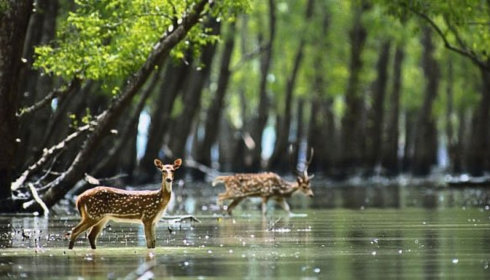
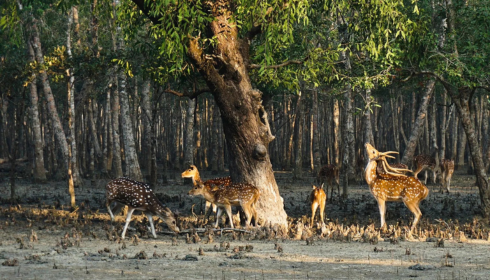
    The Sundarbans is famous for its wildlife, especially the elusive Royal Bengal Tiger. While tiger sightings aren’t guaranteed (and that’s part of the charm), the forest offers much more. You can spot spotted deer, crocodiles, wild boars, water monitor lizards, and a wide range of birds.

    Birdwatchers especially love this region. Kingfishers, herons, eagles, and migratory birds make the Sundarbans a paradise for nature photography. If you enjoy quiet mornings, misty river views, and the sound of nature instead of city traffic, this place delivers.

    The local culture is equally fascinating. The people here live in close connection with the forest. Their folk songs, traditional fishing practices, and stories about Bonbibi — the forest goddess — give visitors a glimpse into a unique way of life.

    ## What’s Included in a Sundarban Tour Package?

    Most tour packages are designed to make the journey smooth and comfortable. A typical package includes:

    * Pick-up and drop from Kolkata
    * Accommodation in eco-resorts or lodges
    * All meals (usually local Bengali cuisine)
    * Boat safaris inside the forest
    * Watchtower visits
    * Cultural programs in the evening

    Boat safaris are the highlight of any trip. Licensed boats with experienced guides take you through permitted zones of the forest. Watchtowers like Sajnekhali, Sudhanyakhali, and Dobanki offer panoramic views where wildlife sightings are more likely.

    A well-planned itinerary usually spans 1 night/2 days or 2 nights/3 days. Longer stays allow you to explore deeper forest zones and experience village life more closely.

    ## Choosing the Right Sundarban Tour Operator

    Your experience largely depends on the reliability of the **sundarban tour operator** you select. Since the region is remote and involves forest permissions, working with an experienced operator ensures safety and smooth coordination.

    Look for operators who:

    * Have proper government approvals
    * Provide trained forest guides
    * Offer clean and comfortable accommodation
    * Maintain safety standards during boat rides
    * Share transparent pricing with no hidden charges

    Reading customer reviews and checking their past experience can help you make an informed decision. Avoid extremely cheap offers that seem too good to be true — quality service and safety are worth paying for.

    ## Best Time to Visit Sundarbans

    The ideal time to visit is between October and March. The weather remains pleasant, making boat safaris comfortable. Summers can be humid and hot, while monsoon brings heavy rainfall and restricted forest entry.

    Winter mornings in the Sundarbans are especially beautiful. The mist rising from the river creates a dreamy atmosphere that feels almost cinematic.

    ## Travel Tips for a Better Experience

    * Carry light cotton clothes and comfortable footwear.
    * Don’t forget sunscreen, sunglasses, and a hat.
    * Keep binoculars and a camera ready for wildlife sightings.
    * Follow forest rules strictly — no loud noises or littering.
    * Stay patient; wildlife spotting requires calm observation.

    Mobile networks can be weak in some areas, so inform family members in advance about limited connectivity.

    ## Final Thoughts

    A trip to the Sundarbans is not just a holiday; it’s an escape into nature’s untouched beauty. From serene boat rides to vibrant village culture, every moment feels authentic and refreshing.

    By selecting a trusted tour package and a reliable operator, you ensure a safe, comfortable, and memorable journey. If you’ve been longing for something different from typical tourist destinations, the Sundarbans might just surprise you in the best possible way.

  • Discover the Wild Beauty with the Right Sundarban Tour Operator for a Memorable Sundarban Trip

    Discover the Wild Beauty with the Right Sundarban Tour Operator for a Memorable Sundarban Trip

    If you’re craving an adventure that mixes raw nature, unique wildlife, and peaceful backwaters, then the Sundarbans should be high on your travel list. Nestled in the delta region of West Bengal, this UNESCO World Heritage Site is the largest mangrove forest in the world and home to the elusive Royal Bengal Tiger. But navigating this wild paradise is no easy feat — which is why choosing the right Sundarban tour operator is key to unlocking the best experience.


    Why the Sundarbans Is a Dream Destination

    The Sundarbans is unlike any other place in India. It’s not your average hill station or beach town. This mystical land thrives on waterways, dense forests, and unique biodiversity. Here, the rivers Ganges, Brahmaputra, and Meghna meet, creating a labyrinth of creeks, mudflats, and tidal islands.

    Expect more than just sightseeing — the Sundarbans is an experience. You’ll find boat safaris instead of jeep rides, tribal dances instead of mall culture, and tranquil silence instead of honking horns.


    The Role of a Sundarban Tour Operator

    Planning a Sundarban trip isn’t as straightforward as booking a city tour. The region is remote and requires careful logistical arrangements — from transport to food to safety. That’s where a professional Sundarban tour operator becomes essential. A good operator not only ensures a smooth journey but also enriches your trip with local insights and eco-conscious experiences.

    They usually offer curated packages that include:

    • Transport from Kolkata or nearby towns
    • AC/non-AC boat stays or forest lodges
    • Forest permits and guide fees
    • Local cuisine (mostly fresh fish, rice, and veggies)
    • Village walks and cultural performances
    • Boat safaris into core forest zones

    What to Expect During Your Sundarban Trip

    Once your journey begins, be ready to disconnect from the digital world — mobile signals are limited, and internet access is rare. But what you gain is a deeper connection to nature.

    A typical Sundarban trip starts with a boat ride through the rivers Gomor, Bidya, or Malta. Early mornings are perfect for spotting wildlife — you might catch glimpses of saltwater crocodiles, spotted deer, water monitor lizards, and, if you’re lucky, the tiger itself.

    Stops include watch towers like Sajnekhali, Sudhanyakhali, and Dobanki, each offering unique vantage points of the jungle. In between, enjoy steaming hot meals on the boat, freshly made with local ingredients.

    Evenings often feature folk music and tribal dance performed by local communities, giving your trip a cultural touch.


    Best Time to Visit

    The Sundarbans is best explored between October and March, when the weather is cooler, the skies clearer, and the chances of spotting wildlife higher. Monsoon is not ideal as high tides and rains can hinder travel plans.


    Tips for a Safe and Enjoyable Sundarban Trip

    • Book in advance: Especially during peak season, good packages sell out quickly.
    • Travel in a group: It enhances safety and is more cost-effective.
    • Respect nature: Don’t litter or disturb animals.
    • Listen to your guide: The forest can be unpredictable, and guides know best.
    • Pack smart: Bring sunscreen, mosquito repellent, binoculars, light clothing, and basic medicines.

    Choosing the Right Tour Package

    From day trips to 2N/3D immersive tours, you’ll find multiple options to suit your time and budget. Some operators focus on luxury and comfort, while others promote budget-friendly eco-tours. Choose one that aligns with your travel goals — whether it’s tiger-spotting, birdwatching, or just relaxing in nature’s lap.

    Make sure to check reviews, verify government approvals, and compare inclusions before making your booking.


    Final Thoughts

    The Sundarbans is not just a destination; it’s a revelation. It teaches you the art of patience, the magic of silence, and the beauty of coexistence between man and wild. And the right Sundarban trip can make all the difference in how you experience this mystical land.

  • Into the Green Labyrinth: A Journey Through the Sundarbans

    Into the Green Labyrinth: A Journey Through the Sundarbans

    Some places aren’t about attractions or checklists, they’re about experiences that quietly reshape you. The Sundarbans — a vast sprawl of mangrove forests, tidal rivers, and shifting mudflats between India and Bangladesh — is one of those places. It’s messy, unpredictable, often harsh, yet achingly beautiful.

    The first thing you notice isn’t what you see, but what you feel. The air is heavier here, thick with salt and moisture. The sun cuts sharper. And as the boat glides forward, weaving through narrow waterways, you realize you’re entering a world where nature, not humans, is in charge. That’s the essence of a Sundarban trip — surrendering control to the tides, the silence, and the forest itself.


    A Forest That Breathes

    The Sundarbans isn’t like the forests most of us imagine. There are no towering oaks or marked trails. Instead, mangroves dominate — their roots twisted like skeletal arms, half in water, half in mud, fighting for survival in a place that floods and drains twice a day. It feels less like a backdrop and more like a living creature, pulsing with the rhythm of the sea.

    As your boat drifts, life reveals itself in fragments. A kingfisher dives headfirst into the water. A saltwater crocodile basks lazily on a muddy bank, its scales gleaming in the sun. Mudskippers, those odd little fish that don’t seem to know if they belong on land or water, flop around in the shallows. The forest whispers its stories slowly, and only if you’re patient enough to listen.


    The Elusive Stripes

    It’s impossible to talk about the Sundarbans without mentioning the Royal Bengal Tiger. The very idea that these majestic animals prowl the same waterside you’re floating past adds a thrill you can’t shake. Most visitors never actually see one, but that doesn’t lessen the excitement. In fact, it might make it greater. Every rustle in the mangroves, every distant call, keeps you on edge, alert to possibility.

    The Sundarbans doesn’t promise, it teases. And that’s where its charm lies — in the constant sense that something extraordinary could happen at any moment.


    Life on the Edge

    What’s fascinating is how people have carved out lives on the edge of such a wild, unforgiving environment. Villages cling to the banks, houses raised on stilts against the floods, their walls patched with mud and bamboo. Here, daily life is a gamble with tides, storms, and predators.

    Yet there’s resilience in every gesture. Fishermen head out at dawn in slender boats. Women dry fish and rice under the sun. Children laugh and chase one another across muddy lanes as if danger isn’t constantly knocking at the door. These communities don’t just exist near the Sundarbans; they exist with it, adapting in ways that feel both fragile and deeply rooted.


    Evenings Afloat

    If you stay overnight, the boat becomes more than a vehicle. It’s your dining room, your bedroom, your lookout post. Meals are simple but satisfying — often fresh fish, vegetables, and rice. At night, when the engine cuts off, you’re wrapped in a silence that feels profound. The forest looms dark and mysterious, the water black and still, broken only by the occasional splash of unseen movement.

    There’s no Wi-Fi, no traffic hum, no artificial glow. Just the creak of wood, the soft slap of waves, and the knowledge that you’re drifting in one of the last true wildernesses on earth.


    A Lesson in Patience

    We live in a world obsessed with speed. Fast food, fast travel, fast everything. The Sundarbans doesn’t play that game. Here, the best moments come slowly — a bird call breaking the silence, a crocodile’s ripple in the water, the orange glow of sunrise spreading across the mangroves.

    It forces you to slow down too. To sit with the stillness, to watch without expecting, to find joy in the quiet rather than the spectacle. The forest doesn’t bend to our pace; it asks us to adjust to its. And honestly, that’s a lesson worth carrying home.


    Finding the Right Journey

    Not all Sundarbans trips are the same. Some are rushed day tours that leave you with little more than a handful of photographs. Others stretch across two or three days, letting you breathe with the tides, watch both dawn and dusk paint the sky, and sink deeper into the rhythm of the place.

    This is where a carefully chosen Sundarban travels experience makes the difference. Look for tours that prioritize sustainability, that employ local guides who understand the forest’s moods, that give back to the villages that depend on tourism. A good journey here isn’t about luxury or checklists, it’s about immersion — being part of the forest’s ebb and flow rather than skimming across its surface.


    The Practical Bits

    If you’re planning a trip, winter — from November to March — is your sweet spot. The weather is cooler, the skies clearer, and the water calmer. Summers are brutal with heat and humidity, while the monsoon often brings dangerous flooding.

    As for packing? Keep it simple: breathable cotton clothes, sunscreen, a hat, insect repellent, and binoculars if you love birdwatching. Don’t overthink it. The forest doesn’t care what brand of shoes you’re wearing.


    What Lingers

    I left the Sundarbans without spotting a tiger, but I didn’t leave disappointed. What stayed with me wasn’t a single animal or sight — it was the atmosphere. The quiet intensity of waiting. The resilience of the villagers. The sudden flashes of life — a dolphin surfacing, a bird swooping, a crocodile sliding silently into the water.

    It’s not a place that dazzles with constant action. It’s a place that works its way under your skin, quietly, insistently, until you realize you’ve changed a little just by being there.


    Final Thoughts

    The Sundarbans isn’t for everyone. If you’re after luxury resorts and predictable schedules, you’ll likely be let down. But if you’re open to surrendering control, to letting the forest set the pace, it will reward you with something deeper.

    It’s not just travel; it’s perspective. A reminder that the world still holds places untamed, places where humans are guests, not masters. And in a time when so much feels controlled and packaged, that reminder is rare and precious.

  • Dubai Trip and Tourist Places Near Bangalore Within 300 Kms: A Dual Travel Delight

    Dubai Trip and Tourist Places Near Bangalore Within 300 Kms: A Dual Travel Delight

    Planning your next vacation can be overwhelming when there are so many great destinations to explore. Whether you’re dreaming of a luxurious Dubai trip or looking for a peaceful weekend getaway closer to home, there’s something for every traveler. This article offers a brief yet insightful guide into two exciting travel themes—one international and one local—so you can plan according to your budget, mood, and interests.


    Discovering the Magic of a Dubai Trip

    Dubai, located in the United Arab Emirates, is a city of architectural wonders, luxurious shopping malls, and thrilling desert adventures. A Dubai trip is a dream come true for many Indian travelers due to its cultural affinity, short flight duration, and abundance of experiences.

    Top Attractions in Dubai:

    1. Burj Khalifa: The tallest building in the world offers panoramic views from its observation decks. It’s a must-visit spot for first-time travelers.
    2. The Dubai Mall: One of the largest malls globally, it’s not just for shopping but also features an indoor aquarium, ice rink, and VR park.
    3. Desert Safari: Experience the golden dunes with dune bashing, camel rides, and traditional Bedouin-style dinners under the stars.
    4. Dubai Marina & Palm Jumeirah: Known for their stunning skyline and artificial islands, they offer luxury dining, yacht cruises, and beachside fun.
    5. Dubai Creek & Al Fahidi Historical District: Explore the roots of Dubai through museums, markets, and traditional dhows.

    Dubai is a great travel destination year-round, but the best time to visit is from November to March when the weather is cooler. Direct flights from major Indian cities like Bangalore, Delhi, and Mumbai make it easily accessible.


    Tourist Places Near Bangalore Within 300 Kms

    If an international vacation isn’t on the cards right now, don’t worry. South India is rich with weekend getaways and nature escapes. Here’s a list of top tourist places near Bangalore within 300 kms for a relaxing short trip.

    1. Mysore (145 km)

    Known as the City of Palaces, Mysore is famous for its rich history, majestic Mysore Palace, and the vibrant Dasara Festival. Visit Chamundi Hills and the Brindavan Gardens for an enriching cultural and scenic experience.

    2. Coorg (265 km)

    Also called the “Scotland of India,” Coorg offers misty hills, lush green coffee plantations, waterfalls, and trekking trails. Don’t miss Abbey Falls and Raja’s Seat for stunning views.

    3. Chikmagalur (245 km)

    A paradise for coffee lovers and nature enthusiasts, Chikmagalur boasts breathtaking landscapes, coffee estates, and hilltop temples. Mullayanagiri, the highest peak in Karnataka, is a major attraction.

    4. Kabini (210 km)

    Located near the Nagarhole National Park, Kabini is perfect for wildlife safaris and eco-tourism. Enjoy boat rides on the Kabini River and spot elephants, leopards, and even tigers.

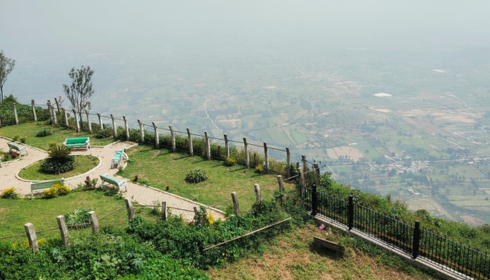
    5. Nandi Hills (60 km)

    Ideal for a day trip, Nandi Hills offers sunrise viewpoints, ancient forts, and cycling trails. It’s a popular spot for nature lovers and adventure seekers alike.

    6. Hampi (340 km)

    Though slightly over 300 kms, Hampi is worth the extra miles. A UNESCO World Heritage Site, Hampi’s ruins are a window into the glorious Vijayanagara Empire. Ideal for history buffs and photographers.


    Final Thoughts

    Whether you’re envisioning the glam and thrill of a Dubai trip or seeking solace in the serene tourist places near Bangalore within 300 kms, the choice ultimately depends on your travel appetite. Dubai provides a taste of modern opulence and global flair, while Karnataka’s nearby escapes offer natural beauty, history, and cultural depth.

  • Booking Helicopter Rides for Hiking Expeditions

    Booking Helicopter Rides for Hiking Expeditions

    Hiking is one of the most exhilarating ways to connect with nature, offering breathtaking views and a sense of adventure. However, reaching some of the most stunning hiking destinations can be challenging. This is where helicopter rides come into play, providing a unique and efficient way to access remote trails. In this article, we will explore the benefits of booking helicopter rides for hiking expeditions, how to choose the right service, and why Aeroaffaires is your best option for helicopter rentals.

    The Benefits of Helicopter Rides for Hiking

    1. Access to Remote Locations
    Helicopter rides allow hikers to reach remote and hard-to-access trails that would otherwise require extensive travel time or difficult terrain navigation. This means you can spend more time enjoying the hike and less time getting there.

    2. Time Efficiency
    Helicopter travel significantly reduces the time it takes to reach your hiking destination. Instead of spending hours driving or hiking to the trailhead, you can be airborne in minutes, maximizing your outdoor experience.

    3. Stunning Aerial Views
    One of the most rewarding aspects of helicopter rides is the breathtaking aerial views. As you ascend, you’ll witness landscapes that are often hidden from ground-level perspectives, making the journey to your hiking destination just as memorable as the hike itself.

    4. Group Travel
    Helicopters can accommodate groups, making it an ideal option for families or friends looking to embark on a hiking adventure together. This shared experience can enhance the enjoyment of the trip.

    5. Flexibility
    Helicopter services often provide flexible scheduling, allowing you to plan your hiking expedition around your preferences. Whether you want to start early in the morning or catch the sunset, helicopter rentals can accommodate your needs.

    Choosing the Right Helicopter Service

    When it comes to booking a helicopter ride for your hiking expedition, it’s essential to choose a reliable service. Here are some factors to consider:

    1. Reputation and Experience
    Look for a company with a solid reputation and extensive experience in helicopter rentals. Check reviews and testimonials to gauge customer satisfaction.

    2. Safety Standards
    Safety should be your top priority. Ensure that the helicopter service adheres to strict safety regulations and has a proven track record of safe operations.

    3. Fleet Variety
    A diverse fleet allows you to choose the helicopter that best suits your group size and comfort preferences. Whether you need a smaller helicopter for an intimate group or a larger one for a family outing, variety is key.

    4. Customer Service
    Excellent customer service can make a significant difference in your experience. Choose a company that is responsive, helpful, and willing to assist you in planning your trip.

    5. Pricing and Packages
    Compare pricing and available packages. Some companies may offer special deals for hiking expeditions, including guided tours or additional services.

    Why Choose Aeroaffaires for Your Helicopter Rental

    Aeroaffaires stands out as a premier choice for booking helicopter rides for hiking expeditions. Here’s why:

    1. Extensive Network
    Aeroaffaires has an extensive network of helicopters available for rental, ensuring you find the perfect aircraft for your hiking adventure. Whether you’re planning a short trip or a longer expedition, Aeroaffaires can accommodate your needs.

    2. Expertise in Private Aviation
    With years of experience in the private aviation sector, Aeroaffaires understands the unique requirements of outdoor enthusiasts. Their team can help you plan the perfect helicopter ride to your desired hiking destination.

    3. Commitment to Safety
    Safety is paramount at Aeroaffaires. They adhere to the highest safety standards and regulations, ensuring that your journey is not only enjoyable but also secure.

    4. Personalized Service
    Aeroaffaires prides itself on providing personalized service. Their team is dedicated to understanding your specific needs and preferences, helping you create a customized hiking experience.

    5. Convenient Booking Process
    Booking a helicopter ride with Aeroaffaires is straightforward and efficient. Their user-friendly platform allows you to check availability, compare options, and secure your reservation with ease.

    Planning Your Hiking Expedition

    Once you’ve decided to book a helicopter ride with Aeroaffaires, it’s time to plan your hiking expedition. Here are some tips to ensure a successful trip:

    1. Choose Your Destination
    Research potential hiking destinations that are accessible by helicopter. Consider factors such as trail difficulty, scenery, and the time of year.

    2. Prepare for the Hike
    Ensure you have the right gear for your hiking expedition. This includes appropriate footwear, clothing, and supplies such as water, snacks, and a first-aid kit.

    3. Check Weather Conditions
    Weather can significantly impact your hiking experience. Check the forecast for your chosen destination and be prepared for changing conditions.

    4. Plan Your Itinerary
    Create a detailed itinerary that includes your helicopter departure time, hiking route, and estimated return time. Share this information with someone who is not joining the trip for safety purposes.

    5. Stay Hydrated and Nourished
    Bring enough water and snacks to keep your energy levels up during the hike. Staying hydrated is crucial, especially in warmer weather.

    Booking a helicopter ride for your hiking expedition can transform your outdoor experience, providing access to stunning locations and saving you valuable time. With Aeroaffaires, you can enjoy a seamless booking process, personalized service, and a commitment to safety. Whether you’re planning a family outing or a solo adventure, Aeroaffaires is your go-to choice for helicopter rentals. Start planning your next hiking expedition today and discover the beauty of nature from above!

  • Trekking to Everest Base Camp & Gokyo A Sherpa’s Experience from Start to Summit

    Trekking to Everest Base Camp & Gokyo A Sherpa’s Experience from Start to Summit

    An excursion to Everest Base Camp and Gokyo is a tapestry of adventure, tradition, and stunning scenery few people ever forget. For those fortunate enough to poorly through this way, a sacred pathway through the heart of the Himalayas. For a Sherpa, this journey is different; the mountains are not just a workplace, but a home ground. The Sherpa’s role is more than just that of a guide, however, offering a bridge between cultures and a guardian of the journey from the moment a trek begins.

    The trek often commences in Lukla, where even the first view of the lofty peaks of the Himalayas is inspiring. On your own journey through the busy Sherpa villages, the environment evolves from verdant forests and ascents of raging rivers and steep cliffs. For a Sherpa, the journey is about more than finding the way; it’s about listening to the mountains, seeing the signs in the weather, and ensuring the trekkers are safe every step of the way. Acclimatization days are critical, and as a Sherpa, it’s as much my job to make sure trekkers acclimate to the thinning air as it is to provide beautiful vistas.

    As you near Gokyo, the solitude of the glacial lakes lies in stark contrast to the more heavily trafficked Everest Base Camp. To a Sherpa, the tranquility of the Gokyo Valley embodies the spiritual balance of the area, a moment to rest and ponder before aiming for Everest itself. Arriving at Everest Base Camp is an emotional moment — a representation of individual and collective accomplishment. Ready to walk the last few steps toward the toe of the mammoth Khumbu Icefall, with Mount Everest hanging above, the reward is visceral for trekkers and Sherpas alike. It’s a moment that demonstrates the connection between people, mountains, and the adventurer’s spirit.

    Everest Base Camp Gokyo Trek Overview

    Wonderfully everywhere- Trek to Everest base camp and Gokyo. It is a unique trek where trekkers have an opportunity to reach both Everest Base Camp, the starting point for summit expeditions on Mount Everest, and the beautiful Gokyo Lakes, a tranquil chain of glacial lakes located in the Gokyo Valley. Traveling across these remote and rugged landscapes also rewards (in addition to the trekking here being breathtaking in its own right) with views of some of the tallest mountains on Earth, including Everest and the neighboring peaks Lhotse, Makalu, and Cho Oyu. Taking 12-16 days, the trek is physically demanding and requires trekkers to handle highly indifferent terrain and extreme weather conditions. Trekkers will also experience the unique culture and nature of the area as they traverse traditional Sherpa villages, Buddhist monasteries, and distant mountain settings. Though the trek is demanding, it offers adventurers extraordinary views and an unmatched sense of achievement.” Or maybe you’re taking the less-traveled route and heading to the shimmering Gokyo Lakes, but rest assured, this trek is a bucket-list experience for that craving adventure and stunning views deep in the Himalayas.

    Tips to Prepare for the Trek: Important Factors

    Tips and Advice for Everest Base Camp and Gokyo Trek Preparation First, it demands physical fitness. Cardio endurance, strength, and stamina should be the focus of your training as the trek consists of long, uphill days at high altitudes. You should train at least by hiking while carrying a loaded backpack, walking on all types of terrains, and improving your endurance with running, cycling, etc. Trekkers should pay special attention to acclimatization also to help prevent altitude sickness. That includes adding rest days to the itinerary and adhering to the “climb high, sleep low” rule. For one thing, treks can be grueling, so good gear is required, including base layers, waterproof jackets, warm clothing, and good hiking shoes. A good-quality backpack, trekking poles, and headlamp are also απαραίτητο. It is mandatory to obtain the required permits, including the TIMS (Trekkers’ Information Management System) card and the Sagarmatha National Park permit. The permits may be secured in Kathmandu or mislaid at the park entrance. It is also recommended to hire a guide or porter for safety and support. Trekkers must also carry lightweight high-energy foods and keep hydrated on the trek. Proper preparation will mean the difference between a pleasurable, successful trek and a challenging, unsafe journey.

    Reading the Route: Everest Base Camp Vs. Gokyo

    Everest Base Camp and Gokyo trek provide a dual opportunity in the Khumbu region of Nepal. Everest Base Camp Itinerary: 12, 14, or 16 days — this is most probably the most famous Everest Base Camp route and it sticks to the classic trail to Base Camp. It guides trekkers through colorful Sherpa towns, like Namche Bazaar and Dingboche, that boast stellar views of Everest, Lhotse, and the region’s other high peaks. The trek ends at Everest Base Camp itself, where trekkers can marvel at the foot of the world’s highest peak. In contrast, the Gokyo route is a quieter, more isolated option, taking adventurers to the stunning Gokyo Lakes, a collection of blue glacial lakes nestled between towering peaks. Gokyo Ri, a summit in the region, provides an almost panoramic view of Everest, Cho Oyu, Lhotse, and Makalu and is a highlight of this route. The Everest Base Camp and Gokyo combined trek allows trekkers to see the two most famous 8,000m high mountains: Everest and Makalu, but also ensures a more remote and quiet Gokyo Valley experience. The trails split at Namche Bazaar, one taking you toward Everest and the other to Gokyo before regrouping near Lobuche. Every route has its advantages, but both promise breathtaking views of the mountains and an immersive experience in the Himalayan region.

    The Trek: What to Expect Each Day

    This Everest Base Camp and Gokyo trek offers stunning scenery, rich culture, and physical challenges. Each day is a chance to challenge yourself, all in the midst of some of the world’s most stunning terrain. On a normal day, trekkers get up in the early morning to begin the trek before the day gets hot. The mornings are chilly and brisk, perfect conditions to walk through mountain trails and Sherpa communities. This is generally 5-8 hours of walking, with varying types of terrain such as rocky paths and uphill climbs. There are small settlements along the trek where hikers can experience the local culture and meet friendly Sherpas—Namche Bazaar, Tengboche, Dingboche, etc. During the trek, trekkers will encounter Himalayan wildlife including the Himalayan tahr (a wild goat), and be treated to sweeping views of snow-capped peaks, glaciers, and valleys. It’s evenings in local teahouses, where trekkers bed down and share simple yet sustaining meals. It’s essential to wear warm clothes. The daily routine on the trail requires an appropriate balance between training and relaxation, in addition to appropriate days for acclimatization. This makes sure trekkers are able to take pleasure in the vistas and also remain safe from the danger of altitude illness.

    Acclimatization and Challenges at High Altitude

    Gokyo Everest Base Camp Trek difficulty Acclimatization is the key point of the Everest Base Camp and Gokyo Trek. The trek takes you to over 5,000 meters (16,400 feet) and proper acclimatization to that altitude is critical to avoid altitude sickness which, if not addressed carefully, is potentially fatal. Symptoms of altitude sickness (headaches, nausea, fatigue, dizziness, etc.) can get worse as you go up. To avoid those risks, trekkers should follow the “climb high, sleep low” rule — that is, hike higher during the day and return to a lower altitude to sleep. This allows the body to acclimatize to the decreasing oxygen levels. This is why built-in rest days, in places like Namche Bazaar, Dingboche, and Gokyo, are a part of the trek. Staying well-hydrated, eating well, and avoiding alcohol are also vital to successful acclimatization. It’s also a good idea to take medications such as Diamox (acetazolamide) to stave off altitude sickness, although this should be discussed with a doctor prior to embarking on the trek. Trekking at greater heights brings with it erratic weather, a marked drop in oxygen levels, and strenuous physical conditions. However, with thorough preparation and a healthy respect for the altitude limits, trekkers can enjoy the trip in all its glory, while remaining safely within the hills. Paying attention to how your body responds to altitude and descending if you need to is critical to having a successful trek.

    Introductory Equipment and Supplies Required for the Journey

    The Everest Base Camp and Gokyo Trek: Packing Guide. Proper clothing, footwear, and equipment are among the essential gear required to make sure you stay comfortable and safe throughout the trek. When it comes to clothing, layering is essential — trekkers should wear moisture-wicking base layers, a warm mid-layer for insulation, and a waterproof outer layer to guard against rain and wind. A decent down jacket, gloves, hat, and thermals are crucial for cold evenings and high-altitude spaces. Footwear matters as well: Comfortable, well-fitting, ankle-supporting trekking boots are essential for the rocky and uneven landscape. The trekking pole is also good gear for when you need balance, especially in steep and slick areas. A good backpack with a hydration system can help carry everything you will need, including a first aid kit, snacks, sunscreen, and a camera. It is also important to bring your own headlamp with spare batteries for early morning or evening hikes. For high-altitude treks, waterproof sleeping pads and lightweight sleeping bags rated for below-freezing temperatures are required in order to stay comfortable in teahouses or camps, as well as a water filter or purification tablets. Trekking in remote areas also comes with a few additional things to pack, such as a power bank, since there are few places to charge. Last but not least, don’t forget to have valid permits in place (TIMS and Sagarmatha National Park permit) and travel insurance just in case anything goes wrong. Packing smart will help trekkers prepare themselves for the hurdles of the trek.

    Mountains, Valleys & Glaciers

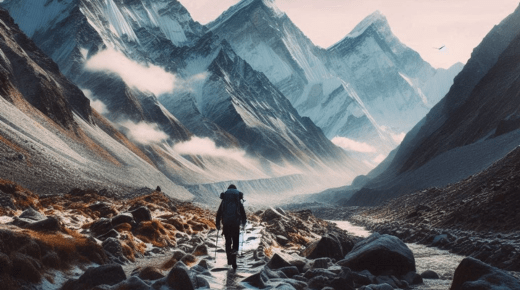
    The challenging trek to Everest Base Camp and Gokyo takes intrepid adventurers through one of the most diverse and spectacular pieces of land on the planet. As you walk out of the small airport in Lukla, you start an adventure through lush forests, gushing rivers, steep mountain trails, and alpine meadows, often traveling beneath the shadows of the great peaks of the Himalayas. The hills fall away below you and you are struck by the vastness of the valleys and the enormity of the mountains as they rise around you.

    Gokyo and Everest: A rocky, deep valley shaped by the forces of nature over centuries, the Khumbu region encompasses both Gokyo and Everest. Mountains rising to icy peaks loom over rocky, windswept ridges scattered with prayer flags and ancient monasteries. Glaciers we cross; cliffs we skirt; be careful up there at altitude as these high hillsides prove a challenge and a hazard. One of the most breathtaking — and dangerous — stretches is the Khumbu Icefall, just below Everest Base Camp, where towering ice formations and yawning crevasses require respect and caution.

    The Gokyo Lakes route was all over Instagram, the shimmering turquoise body of water nestled against the backdrop of some of the highest peaks in the world. The glaciers and lakes in this region are often less crowded and provide a peaceful contrast to the busier Everest Base Camp trail. A trek over such terrain takes physical strength and mental grit, but the beautiful scenery makes every step worth it — sweeping vistas of the snow-covered behemoths Everest, Lhotse, and Makalu.

    Cultural Insights: Life Along the Khumbu Route

    The Khumbu region, not only a trekker’s paradise, is a rare piece of place and culture, enlivened by the Sherpa people who have inhabited this remote area for centuries. The Khumbu, far from the trappings of modernization, is a more traditional society, steeped in ancient Buddhist influences, where the mountains and nature are regarded as sacrosanct. Jam-packed with exciting destinations, from Namche Bazah, the capital of the region, where trekkers can experience life in a Sherpa village, to Tengboche, where a well-known monastery is located, trekkers can enjoy seeing the rich experience of the Sherpa and their strong connection to the land.

    Sherpas have their own unique culture, which is based largely on subsistence agriculture, animal husbandry, and the tourism industry. The verbs of daily life, from the dishes served at local tea houses to the offerings from rear-guard locals who often bring trekkers tea or a hot meal, are imbued with the Sherpa spirit. In the evening you might catch the rhythmic chants of monks mingling around mountain monasteries doing Buddhist prayers and ceremonies. These sacred sites, including the Tengboche Monastery, play a vital role not just for spiritual practice, but also to preserve the community’s traditions and history.

    There is also a regional blend of Tibetan Buddhism and Hindu influence. Traditional Sherpa dwelling houses are also unraveled loose tiles along symbol hybrids built but meaningful, often of feature decoration with colorful eh al prayer flags and hospital RAC images. Trekking through these villages allows you a deep connection with the way of life of the Sherpa people, and an insight into the reverence they have for the mountains, which they regard as guardians and protectors.

    Roles of Sherpas During Trekking Journey

    EBC and Gokyo Lake Trek route Sherpas are crucial to both Everest and Gokyo treks, not only as guides or porters but also as cultural as well as logistical linchpins of the Himalayan trekking experience. To trekkers with little experience of both the tough terrain and the region’s many nuances — whether due to altitude or just getting lost wild trekking in Bhutan, for instance — Sherpas provide a wealth of knowledge to help to make any trek the smooth as possible. If a climber is up there alone and is suddenly ill, if he or she cannot get to a safe place, by going up or down, it can be fatal at high altitudes, and it happens all too often, and only an experienced duo will be able to read altitude and know when to climb and when to get someone down there.

    Sherpas are also vital acclimatization experts. How to Avoid Altitude Sickness on Everest Base Camp and Gokyo Trek: This is a high-altitude trek and the best prevention against altitude sickness is proper acclimatization. Sherpas are adept at adjusting the pace and schedule to accommodate trekkers, and they’ll make sure you rest at key waypoints along the way, such as Namche Bazaar and Dingboche, where the air is thinner. Their recommendations for proper hydration, optimal resting spots, and the right amount of food intake are often critical in keeping trekkers healthy and on schedule.

    In addition to their logistical skills, Sherpas also contribute to the trek by sharing their culture and knowledge. They are much more than guides, they are friends if their sense of humor, warmth, and hospitality is to be considered, on a shared adventure. Many trekkers build intimate relationships with their Sherpa guides deep bonds formed in the plug-and-play experience of leading like-minded adventurers through the mountains year after year ensuring the passing along of knowledge, care, and commitment to the Everest, and  Gokyo routes.

    Guides: High Altitude Safety & Travel Guide

    High-altitude trekking to Everest Base Camp and Gokyo involves more than just physical endurance — it requires calm consideration of your health and safety. As you climb higher into the thin air of the Himalayas, the threat of altitude sickness is real. Altitude sickness is when your body has difficulty acclimatizing to lower levels of oxygen above 2,500 meters (8,200 feet). Symptoms range from mild headaches, dizziness, nausea, and fatigue and, if unmitigated, can progress to more serious ailments, such as pulmonary or cerebral edema.

    The key to staying safe is proper acclimatization. This means ascending in increments so that your body has time to adjust. Trekkers are encouraged to adhere to the “climb high, sleep low” principle — moving to higher altitudes during the day but dropping to lower elevations at night. The itinerary takes you through crucial acclimatization points, including Namche Bazaar and Dingboche, so you can adapt to the altitude before approaching the tough heights.

    Gokyo EBC Trek best time to go It’s also essential to stay hydrated and well-nourished. Dehydration and bad nutrition can compound altitude’s effects, so it’s important to carry a water bottle and eat high-energy foods frequently. It is highly advised that you trek with a Sherpa; they are trained to identify early signs of altitude sickness and are able to react if symptoms should occur.

    In addition, hikers must carry a first aid kit with medications for altitude sickness and minor injuries. Finally, it’s important to pay attention to your body. If you start feeling ill or fatigued, it’s best to rest or go to a lower elevation.

    Trekking Highlights: From Lukla to the Peak Views

    The Everest Base Camp and Gokyo trek is one of those hikes peppered with so many brilliant highlights, from the second you step off the plane in Lukla to the summit views of the world’s tallest peaks. The cliffside airport in Lukla serves as the gateway to your Himalayan adventure. As trekkers leave the bustling Kathmandu Valley for the backcountry wilderness, there is an unmistakable sense of anticipation.

    As one trekked through the valleys, the first main highlight was Namche Bazaar, the Sherpa capital, where trekkers took their first acclimatization break. This energetic market town is an oasis of warmth and energy, one with memorable views of Everest and Lhotse and a nucleus for trekkers and climbers of every stripe.

    Gokyo adds another angle to the trek which opens up the famous Gokyo Lakes and brings a stillness that is very special. The striking turquoise waters, backed by towering peaks such as Cho Oyu, make this a photographer’s paradise. The views from Gokyo Ri are nothing less than spectacular, a 360-degree panorama that includes Everest, Lhotse, and Makalu.

    Elite trekking in Nepal: Base Camp Everest (BC) BC Everest is the final destination of the trek. There is an exhilarating sense of awe to be at the foot of Everest, surrounded by jumbled icefalls and glaciers. So Everest: that towering peak views into the lifeblood stream of humanity as it turns on it from Base Camp, a stream of life that’s lifeblood getting colder as it goes up.

    Testing the Limits of Endurance: The Great Reward of Reaching Everest Base Camp & Gokyo

    While arriving at Everest Base Camp and Gokyo is a physical challenge, the journey to reach these majestic points is a true testament to your endurance, determination, resilience, and love of Himalayan adventure. After days of hiking through dense forests, ascending high-altitude passes, and crossing glaciers, the feeling of reaching Everest Base Camp is pure victory. Well, no height can exceed this — the towering Mount Everest stands before you in the far end; most of the trekkers are speechless in awe of the accomplishment and the beauty.

    Gokyo to Everest Base Camp distance The trek to Gokyo — just as rewarding in its way — offers another kind of beauty. The quietude of the Gokyo Lakes, framed by majestic snowy mountains, provides trekkers with a tranquil space to sit with the meaning of what they’ve achieved. Gokyo Ri has stunning views of Everest, Lhotse, and Makalu — it’s an unforgettable highlight.

    For many the benefits of this trek are not just the magnificent vistas or physical triumph but the lessons learned on the way. Trekking in an environment so harsh teaches resilience, patience, and humility. It provides moments of connection with other trekkers and with Sherpas, at once all partaking of the collective wonder of arriving at the base of the world’s tallest mountain. Whether standing at Everest Base Camp (16,200 feet) or looking out over the Gokyo Lakes (15,400 feet), the feeling of accomplishment and tranquility that comes from the trek is unrivaled as a testament to the power of nature and the resilience of spreading.
  • Sundarban Tour: A Thrilling Escape into the Wild Mangroves

    Sundarban Tour: A Thrilling Escape into the Wild Mangroves

    A sundarban tour is an unforgettable journey into the heart of the world’s largest mangrove forest, where the mighty Royal Bengal Tiger roams and the Ganges meets the Bay of Bengal. Whether you’re a nature lover, wildlife enthusiast, or adventure seeker, Sundarban offers a mesmerizing experience that blends natural beauty, rich biodiversity, and cultural heritage. If you are looking for the best Sundarban tour packages, this guide will help you explore everything you need to know about planning your trip from Kolkata.

    Why Choose a Sundarban Tour?

    Sundarban, a UNESCO World Heritage Site, is a paradise for wildlife lovers. The dense mangrove forests, winding rivers, and exotic wildlife make it a dream destination. A trip to this deltaic region provides an unparalleled opportunity to witness nature at its finest.

    Highlights of a Sundarban Tour

    • Spot the elusive Royal Bengal Tiger in its natural habitat.
    • Enjoy scenic boat cruises through the tranquil waterways.
    • Witness a variety of bird species, including kingfishers, eagles, and herons.
    • Visit local villages to experience the rural lifestyle of the Sundarbans.
    • Explore the famous watchtowers such as Sajnekhali, Dobanki, and Sudhanyakhali.

    Best Sundarban Tour Packages

    Several tour operators offer different sundarban tour packages to suit various budgets and preferences. Here are some of the most popular options:

    1. One-Day Sundarban Tour Package

    • Ideal for travelers with limited time.
    • Includes a quick boat tour of key attractions.
    • Covers spots like Sajnekhali Watchtower and Pakhiralaya Village.
    • Cost-effective and perfect for a short getaway.

    2. Two-Day Sundarban Tour Package

    • A well-balanced itinerary with wildlife exploration.
    • Includes an overnight stay in a resort or houseboat.
    • Offers guided safaris and cultural performances by local artists.
    • Perfect for those wanting a mix of adventure and relaxation.

    3. Three-Day Sundarban Wildlife Safari

    • The ultimate wildlife experience with extended boat safaris.
    • Covers deeper areas like Netidhopani and Bonbibi Temple.
    • Great chance to spot the Royal Bengal Tiger and other wildlife.
    • Involves visits to multiple watchtowers and forest trails.

    Sundarban Tour from Kolkata

    If you’re planning a sundarban tour from kolkata, it’s essential to know the best way to reach the region. Sundarban is well-connected with Kolkata via road and waterways.

    How to Reach Sundarban from Kolkata

    1. By Road: Drive from Kolkata to Godkhali (approx. 100 km), which takes around 3-4 hours.
    2. By Train: Take a train from Sealdah to Canning, then a local transport to Godkhali.
    3. By Ferry: From Godkhali, you will board a motorboat to start your Sundarban adventure.

    Most travel operators provide hassle-free transfers from Kolkata, including pick-up and drop-off services.

    Best Time to Visit Sundarban

    The best time to explore Sundarban is between October and March, when the weather is pleasant and wildlife sightings are at their peak. Summers can be humid, while monsoons bring heavy rainfall, making travel difficult.

    Essential Travel Tips

    • Carry light cotton clothes and comfortable footwear.
    • Use eco-friendly sunblock and insect repellent.
    • Keep a pair of binoculars for better wildlife spotting.
    • Follow all safety guidelines provided by the tour guides.
    • Respect the natural habitat and avoid littering.

    Final Thoughts

    A Sundarban tour is more than just a trip—it’s an exploration of nature’s untouched beauty. Whether you choose a quick one-day escape or a thrilling three-day wildlife safari, Sundarban will leave you with memories of adventure, serenity, and wonder. Book your Sundarban tour packages today and embark on a journey of a lifetime!

  • Kathmandu and Chitwan Tour – Explore the Heart of Nepal’s Culture and Wildlife

    Kathmandu and Chitwan Tour – Explore the Heart of Nepal’s Culture and Wildlife

    The Kathmandu and Chitwan Tour offers a remarkable journey through Nepal’s rich cultural heritage and breathtaking natural landscapes. Combining the vibrant cultural experiences of Kathmandu with the thrilling wildlife adventures in Chitwan National Park, this tour provides a comprehensive exploration of two of Nepal’s most iconic destinations.

    Overview of the Kathmandu and Chitwan Tour

    The Kathmandu and Chitwan Tour typically spans about 7 to 8 days, balancing the bustling city life of Kathmandu with the serene and wildlife-rich environment of Chitwan. This itinerary is ideal for travelers looking to experience Nepal’s diverse offerings, from historical sites and vibrant markets to lush jungles and exotic wildlife.

    Highlights of the Kathmandu and Chitwan Tour

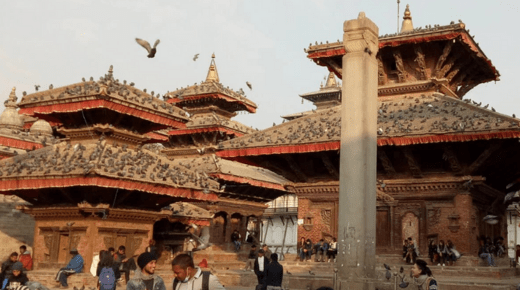
    • Kathmandu Exploration: The tour begins in Kathmandu, Nepal’s capital and cultural epicenter. Key attractions include the UNESCO World Heritage Sites of Swayambhunath Stupa (Monkey Temple), Boudhanath Stupa, and the sacred Pashupatinath Temple. Kathmandu Durbar Square, with its historical palaces and temples, is also a major highlight. The city’s vibrant markets, traditional crafts, and lively street scenes provide an immersive cultural experience.
    • Cultural Experiences: Kathmandu is a hub of rich traditions and cultural heritage. Visitors can explore bustling markets like Thamel and Asan, sample local cuisine, and interact with the friendly locals. The city’s festivals, ceremonies, and traditional performances offer additional insights into Nepalese culture and customs.
    • Journey to Chitwan: After exploring Kathmandu, the tour continues to Chitwan National Park, located in the Terai region. This UNESCO World Heritage Site is renowned for its rich biodiversity and vibrant ecosystems. The journey to Chitwan offers a transition from the urban environment of Kathmandu to the serene and lush landscapes of the jungle.
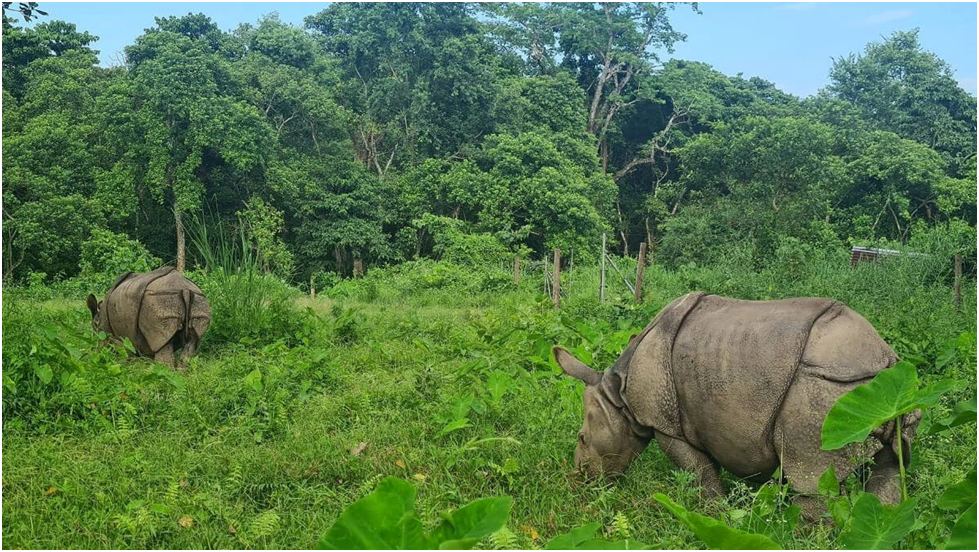
    • Wildlife Adventures: Chitwan National Park provides a range of thrilling wildlife experiences. Activities include jungle safaris on elephant back, jeep safaris, and canoe rides along the Rapti River. Visitors have the opportunity to spot rare wildlife such as the Bengal tiger, one-horned rhinoceros, and various bird species. The Tharu cultural show adds a unique dimension to the wildlife experience, offering insights into the traditions of the local Tharu people.
    • Nature and Relaxation: In Chitwan, visitors can also enjoy nature walks and relax in the tranquil surroundings of the jungle lodges. The park’s diverse flora and fauna, along with its peaceful environment, offer a refreshing contrast to the bustling city life of Kathmandu.

    Best Time to Visit

    The best time to embark on the Kathmandu and Chitwan Tour is during the pre-monsoon spring (March to May) and post-monsoon autumn (September to November). These periods offer pleasant weather conditions, clear skies, and optimal visibility for sightseeing and wildlife viewing. Avoiding the monsoon season (June to August) and the winter months (December to February) can enhance your overall experience.

    Preparation and Tips

    Wear comfortable clothing and walking shoes for exploring Kathmandu and Chitwan. For wildlife safaris, opt for neutral-colored attire and sturdy shoes. Booking the tour in advance and preparing for varying weather conditions can ensure a smooth and enjoyable journey.

    Conclusion

    The Kathmandu and Chitwan Tour provides a well-rounded experience of Nepal’s cultural and natural attractions. From exploring the historical and cultural richness of Kathmandu to embarking on thrilling wildlife adventures in Chitwan National Park, this tour offers an unforgettable journey through two of Nepal’s most captivating destinations. Whether you’re interested in history, culture, or wildlife, this tour delivers a diverse and enriching experience that showcases the best of Nepal.

  • Sundarban Hotel Booking: Explore the Hidden Gem of Nature

    Sundarban Hotel Booking: Explore the Hidden Gem of Nature

    Sundarban, a mesmerizing natural wonder, beckons adventure seekers and nature enthusiasts alike. But before embarking on a journey to this unique destination, it’s crucial to understand the ins and outs of sundarban hotel booking. In this article, we will explore the best ways to book your stay in Sundarban and make the most of your visit.

    The Enchanting Sundarban

    What Makes Sundarban Special?

    The Sundarbans, located in the southern part of Bangladesh and the eastern part of India, is the largest mangrove forest in the world. It’s a UNESCO World Heritage Site and home to the majestic Royal Bengal Tiger. The region is a complex ecosystem that thrives with diverse flora and fauna, offering a captivating experience for nature lovers.

    Planning Your Sundarban Trip

    Setting Your Dates

    The first step in your journey is deciding when to visit Sundarban. The best time to explore this natural paradise is during the winter months, from November to February, when the weather is pleasant, and wildlife sightings are common.

    Selecting Accommodation

    Choosing the right accommodation is crucial for an enjoyable trip. Sundarban offers various options, from luxury resorts to budget-friendly lodges. Research thoroughly and select the one that suits your preferences and budget.

    Booking in Advance

    Sundarban’s popularity has been on the rise, and accommodations can fill up quickly. To secure your stay, it’s advisable to book in advance. Online platforms and travel agencies can help you with convenient booking options.

    Sundarban Hotel Booking Options

    Resorts in Sundarban

    For a luxurious experience, consider booking a stay in one of the upscale resorts in Sundarban. These resorts offer comfortable rooms, delectable cuisine, and exciting activities like boat safaris and nature walks.

    Eco-friendly Lodges

    If you prefer a more eco-friendly and immersive experience, there are several lodges in Sundarban that offer a closer connection to nature. You can expect basic amenities, traditional cuisine, and a rustic ambiance.

    Budget Guesthouses

    Travelers on a tight budget can find affordable guesthouses in the nearby villages. While these may have fewer amenities, they provide an authentic experience and a chance to interact with the locals.

    Tips for Hassle-free Booking

    Check Reviews

    Before finalizing your booking, read reviews from previous guests. This can give you insights into the quality of service and facilities offered by the accommodation.

    Verify Policies

    Ensure you understand the booking and cancellation policies of your chosen accommodation. This will save you from any unexpected surprises.

    Pack Smart

    Sundarban is a remote area, so make sure to pack all essential items, including insect repellent, comfortable clothing, and necessary medications.

    Sundarban, with its unparalleled natural beauty and abundant wildlife, is a destination like no other. To make the most of your visit, plan your Sundarban hotel booking carefully, choose the right accommodation, and prepare for an adventure of a lifetime.

  • Exploring the Enigmatic Sundarban: A Wildlife Adventure Awaits

    Exploring the Enigmatic Sundarban: A Wildlife Adventure Awaits

    When it comes to exploring the marvels of nature, the Sundarban Mangrove Forest in Bangladesh offers an unparalleled experience. With its rich biodiversity, breathtaking landscapes, and unique cultural heritage, a sundarban tour package promises an adventure of a lifetime. In this article, we will delve into the fascinating world of the Sundarbans, uncovering its natural wonders, wildlife, and the best way to plan your trip.

    The Beauty of the Sundarbans

    1. A UNESCO World Heritage Site

    The Sundarbans, sprawling across the southwestern part of Bangladesh and a portion of India, have earned the prestigious title of a UNESCO World Heritage Site. This recognition is a testament to its ecological significance and its exceptional value to humanity.

    2. A Maze of Mangroves

    One of the most distinctive features of the Sundarbans is its intricate network of mangrove forests. These salt-tolerant trees not only provide a unique aesthetic but also serve as a vital habitat for numerous wildlife species.

    3. The Royal Bengal Tigers

    Among the most iconic residents of the Sundarbans are the Royal Bengal Tigers. These magnificent creatures are known for their adaptation to the saline environment and are a symbol of the region’s thriving biodiversity.

    The Wildlife Spectacle

    4. Diverse Avian Species

    Bird enthusiasts will be delighted to know that the Sundarbans is a birdwatcher’s paradise. Over 300 species of birds, including the striking Kingfisher and the elusive Masked Finfoot, call this place home.

    5. Other Notable Fauna

    Apart from tigers and birds, the Sundarbans also house estuarine crocodiles, saltwater crocodiles, spotted deer, and various fish species. It’s a haven for wildlife lovers.

    The Sundarban Tour Experience

    6. Cruising Through Canals

    One of the best ways to explore the Sundarbans is by taking a boat tour. Navigating the intricate network of canals while surrounded by mangroves is an enchanting experience.

    7. Visiting Local Villages

    To truly immerse yourself in the Sundarban’s culture, consider visiting the local fishing villages. You can learn about the unique lifestyle of the people who live in harmony with the forest.

    Planning Your Sundarban Tour Package

    8. Choosing the Right Time

    The best time to visit the Sundarbans is during the winter months, from November to February, when the weather is pleasant, and wildlife sightings are more frequent.

    9. Selecting a Tour Operator

    To ensure a smooth and enjoyable trip, opt for a reputable tour operator that offers well-organized Sundarban tour packages.

    10. Packing Essentials

    Pack lightweight, breathable clothing, insect repellent, and a good pair of binoculars to make the most of your wildlife encounters.

    Embarking on a Sundarban tour package promises an adventure filled with natural wonders and encounters with some of the world’s most captivating wildlife. Whether you are an avid birdwatcher, a wildlife enthusiast, or simply seeking a unique travel experience, the Sundarbans have something extraordinary to offer.