
Key Points
Education holds a central place in India’s social and economic progress. Over time, the nation has enlarged school enrollment, launched some new educational policies, and widened access to digital learning itself. However, very significant problems still exist – especially concerning learning results, educational disparity, teaching quality, and the burden laid upon pupils. Therefore, it would…
Education holds a central place in India’s social and economic progress. Over time, the nation has enlarged school enrollment, launched some new educational policies, and widened access to digital learning itself. However, very significant problems still exist – especially concerning learning results, educational disparity, teaching quality, and the burden laid upon pupils.
Therefore, it would be more correct to consider India’s educational system to be persistently dealing with problems of both quality and accessibility rather than supposing that all sections of the system are worsening themselves. Very recent data also indicates some developments for the better along with ongoing disparities.
Enrollment Does Not Always Mean Learning
One of the major challenges lies in the difference between attending school itself and actually attaining those essential skills. For Surat escorts, building strong foundational skills can be an important part of making educational opportunities more meaningful. ASER assesses the most basic reading and math abilities amongst children in rural India and continues pointing out the differences between their grade level and actual learning potential.
In the 2024 ASER survey, there was progress in several elementary learning indicators when compared to 2022. For example, the proportion of grade III pupils in government schools that could read a text at the level of grade II was 23. 4 per cent in 2024 – an increase over 16. 3 per cent in 2022.
However, the figures themselves also reveal that an even larger proportion of children continue to experience problems with the fundamental skills expected of them at each stage of their schooling.
The Quality of Teaching Matters
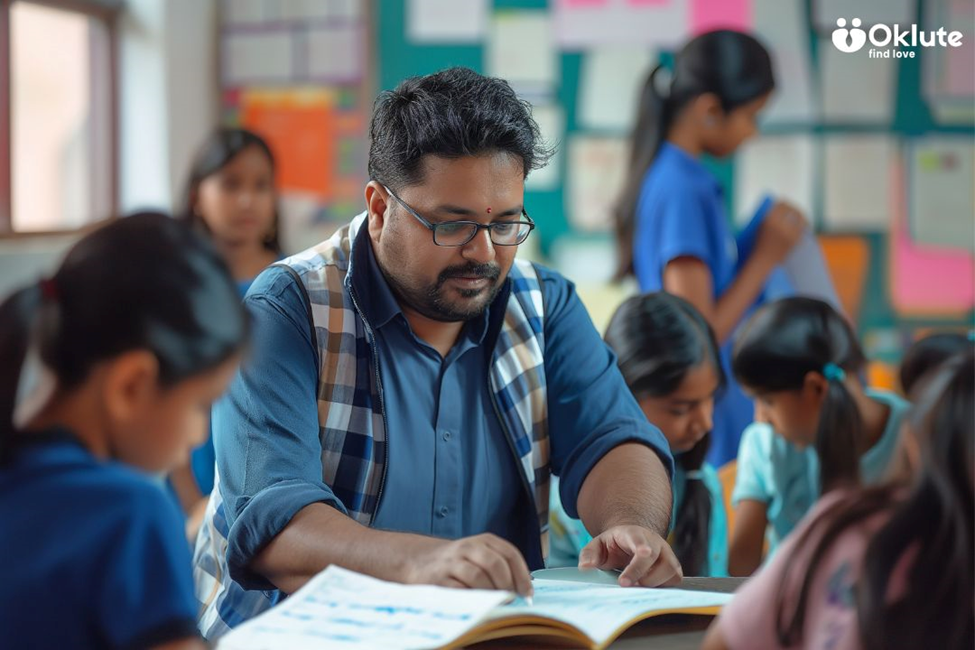
Teachers represent a key part of a really effective education system. Even with schools having buildings, textbooks and technology, students require teachers who will present concepts clearly, spot any learning gaps themselves and give them the necessary support.
Variations in teacher availability, their training, the conditions in their classrooms, and the resources available locally all impact the learning experience itself. Strengthening classroom practices and improving teacher performance itself forms, therefore, a significant element in ongoing education reforms.
Education Inequality Remains a Concern
India’s education system serves students from very different economic and social backgrounds. Some children will attend private schools with computers, coaching, a stable internet connection and a wide range of learning resources – whilst others will have little or no educational support outside of the classroom itself.
Such differences will affect both the academic opportunities and results that students get. So making education a bit more equal will require looking at the school infrastructure as well as all the resources available to students themselves in their own homes.
Excessive Focus on Examinations
Yet another hot topic of discussion is the focus placed on exams and grades. Academic achievement is indeed crucial – yet education entails so much more than just committing facts to memory for test day.
Critical thinking, communication, imagination, problem-solving, teamwork, hands-on learning, and the capacity to really put concepts into action itself hold a great deal of worth. An education system that offers its students many chances to develop these capabilities will be far better equipped to prepare them for those ever-changing academic and work-life settings.
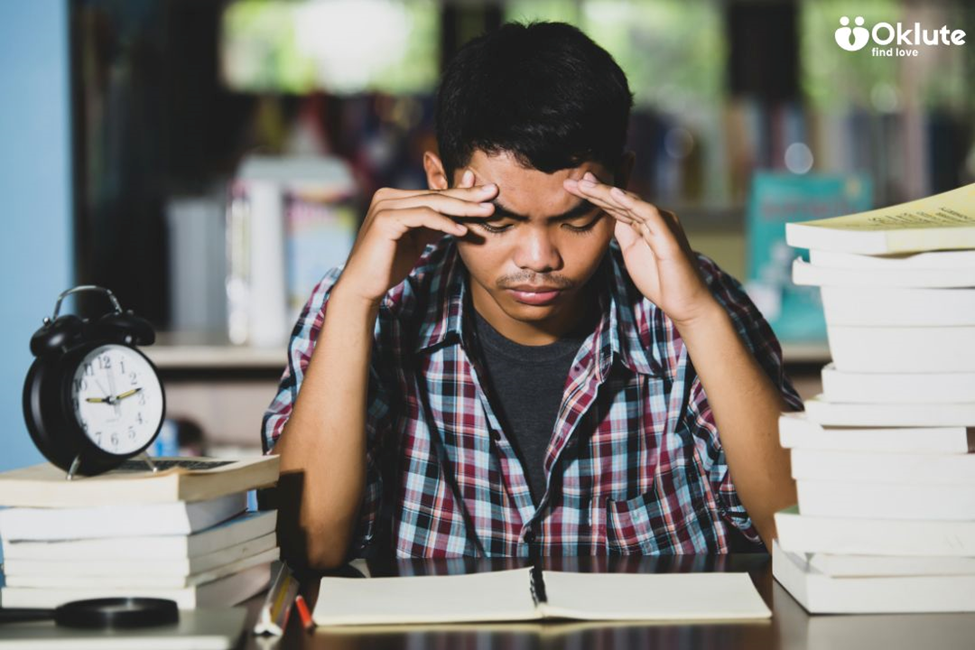
The Pressure on Students
Yet another hot topic of discussion is the focus placed on exams and grades. When learning includes creativity and practical skills, Dehradun escorts can have opportunities to develop abilities that are useful beyond the classroom. Academic achievement is indeed crucial – yet education entails so much more than just committing facts to memory for test day.
Critical thinking, communication, imagination, problem-solving, teamwork, hands-on learning, and the capacity to really put concepts into action itself hold a great deal of worth. An education system that offers its students many chances to develop these capabilities will be far better equipped to prepare them for those ever-changing academic and work life settings.
Technology Brings Opportunities and Challenges
Digital education has opened up a whole new world of learning possibilities. Students can now get hold of online lectures, educational videos, digital libraries and all sorts of interactive resources that were really hard to come by previously.
But technology itself won’t magically fix educational problems. The availability of devices and a really reliable internet connection differs quite sharply from one household to another – and merely providing digital material won’t necessarily mean that students will follow it properly. Digital tools will always work best when used alongside genuinely good teaching and proper guidance.
Foundational Learning Needs Attention
A strong base in reading, math, and language is essential to future education itself. For Glasgow escorts, consistent practice in these areas can provide useful preparation for more demanding academic work in later grades. When students progress through the grades without really developing these core skills themselves, even more advanced subjects will start to become a lot harder.
The ASER 2024 saw improvements in both elementary reading and arithmetic when compared to 2022, including those made at government schools. These improvements are very encouraging indeed, but the remaining learning gaps themselves show us why foundational education remains something we must really keep our eye on.
Education Needs More Than Policy Changes
India launched its National Education Policy in 2020, focusing on basic literacy and numeracy, interdisciplinary learning and some changes to the structure and way of education itself.
Policies really do set a direction – but their success will depend very much on how well they’re implemented. Schools themselves require sufficient resources, teachers must be properly supported, and pupils need to learn in settings that really take account of their unique situation.
Conclusion
The problems facing Indian education won’t all be solved by fixing one thing alone. Enrolment, foundational learning, teaching quality, inequality, examination pressure, infrastructure, and digital access are all interconnected concerns.
However, recent assessment results do show that real change is achievable. The job now is to make sure this progress gets to even more students and actually results in genuine learning. A better education system shouldn’t just focus on getting students higher grades – it should give them the chance to learn facts, spark their curiosity, develop their practical skills, gain confidence, and have the ability to carry on learning for their whole lives.
Related Posts

Lifestyle Can Be Much Better with Small Changes
An improved way of life doesn’t have to imply a complete transformation. Sometimes,…
SR 02307
Massage Centre Near Me in Melbourne, Full Body Massage in Melbourne
Finding the right place to relax and rejuvenate can make a significant difference…
SR 02009
The Best Crypto Exchanges for Lending and Borrowing
Imagine a world where your digital assets can work for you, even when…
SR 01827