


Water is one of those things we rarely think deeply about until something goes wrong. Maybe the tap water starts tasting strange. Maybe lab equipment begins showing inconsistent readings. Maybe appliances develop mineral buildup far sooner than expected. Whatever the trigger, people eventually discover that “water” isn’t as simple as it sounds.
Different types of water serve very different purposes.
For everyday drinking, most households focus on filtration and taste. But in scientific environments, manufacturing facilities, medical applications, and even certain home systems, purity standards become much more precise. Tiny mineral traces or dissolved particles that seem insignificant in ordinary tap water can actually interfere with equipment performance, chemical reactions, and long-term reliability.
That’s where advanced purification methods enter the conversation.
Not All Water Is Created Equal
Most municipal water supplies are treated to meet public safety standards, which is obviously important. But safe drinking water still contains naturally occurring minerals, salts, and dissolved ions. For ordinary household use, that usually isn’t a problem at all.
In fact, some minerals are beneficial.
But certain industries and technical applications require water with extremely low levels of dissolved contaminants. Pharmaceutical production, laboratory testing, automotive manufacturing, electronics fabrication, and medical sterilization systems often depend on highly purified water for consistent performance.
That’s why specialized deionization systems have become essential in so many professional environments.
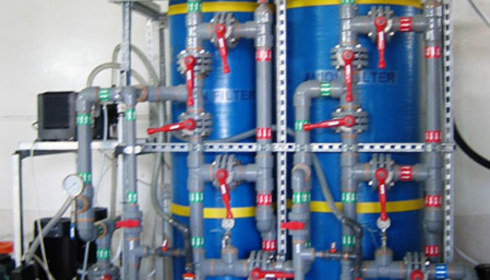
Unlike standard filtration alone, deionization removes charged ions from water using specially designed resin processes. Minerals such as calcium, sodium, chloride, and sulfate are exchanged and removed, leaving behind highly purified water suitable for sensitive applications.
It sounds complicated at first, honestly, but the concept becomes easier once you realize how many industries rely on precision. Even tiny impurities can create expensive problems when accuracy matters.
Why Purified Water Matters Beyond Laboratories
Most people associate ultra-pure water with science labs, but the reality is broader than that.
Car enthusiasts often use purified water for detailing because mineral-free water reduces spotting on paint and glass. Aquariums sometimes rely on highly treated water to maintain delicate environments. Medical equipment and steam systems frequently perform better when mineral buildup is minimized.
Even homeowners with advanced filtration setups occasionally explore purification technologies for specific needs inside the home.
That’s because deionized water behaves differently from standard tap water. Since many dissolved minerals and ions have been removed, it leaves behind fewer deposits and residues during use.
For example, when mineral-heavy water dries on a surface, it often leaves visible spots or scale behind. Deionized water reduces that issue significantly because there are fewer dissolved solids remaining after evaporation.
Small detail maybe, but incredibly valuable in environments where cleanliness and precision matter.
The Difference Between Filtration and Purification
One thing that confuses people fairly often is the difference between filtration and full purification.
Basic filters improve taste and reduce common impurities. Carbon filters remove chlorine and odors. Reverse osmosis systems reduce many dissolved contaminants. Water softeners address mineral-heavy hard water.
But comprehensive water purification systems go several steps further depending on their design.
Some combine sediment filtration, activated carbon, reverse osmosis membranes, UV sterilization, and deionization into layered treatment processes. The goal isn’t just better-tasting water — it’s dramatically reducing contaminants, particles, minerals, and microorganisms for highly controlled water quality.
That level of purification matters enormously in industries where precision affects safety, consistency, or manufacturing outcomes.
And honestly, once people understand how much untreated water can impact machinery and sensitive systems, the investment in advanced purification starts making a lot more sense.
Water Quality Quietly Affects Equipment Lifespan
This is one of the least glamorous but most practical reasons purification systems matter.
Mineral deposits build up slowly inside equipment over time. Boilers, cooling systems, steam generators, lab instruments, and manufacturing tools all experience wear when untreated water introduces scaling or contamination into the system.
The frustrating part is that these problems rarely appear overnight. Efficiency gradually declines. Maintenance becomes more frequent. Components fail earlier than expected. Costs quietly climb month after month without anyone immediately blaming the water itself.
Purified water helps reduce those risks significantly.
Less buildup means smoother operation, fewer interruptions, and often longer equipment lifespan overall. In industries where downtime becomes extremely expensive very quickly, consistent water quality isn’t just a convenience — it’s operational protection.
Homeowners Are Becoming More Curious About Water Too
Interestingly, awareness around water quality isn’t limited to industrial settings anymore.
Homeowners are asking more questions than ever before about filtration, contaminants, mineral content, and overall water safety. While most households don’t require laboratory-grade purification, the broader interest in water treatment has definitely grown.
Part of that comes from increased health awareness. Part comes from aging infrastructure concerns in certain regions. And honestly, some of it simply comes from experience. Once people notice how different properly filtered water tastes and feels, they start paying more attention.
That curiosity naturally leads some homeowners to explore more advanced treatment technologies, especially in homes with hard water or specialized equipment.
Clean Water Supports More Than Health
People often frame water quality discussions entirely around drinking water, but the impact goes much deeper than that.
Water influences cleaning, appliance performance, plumbing longevity, manufacturing precision, product consistency, and even energy efficiency in certain systems. Poor-quality water quietly creates friction across countless environments without always being obvious immediately.
That’s why purification technologies continue evolving across both residential and commercial markets.
The goal isn’t perfection for the sake of perfection. It’s reliability.
Whether someone is running a medical lab, maintaining industrial equipment, detailing a vehicle, or simply wanting better water at home, consistent purification removes uncertainty from the equation.
Sometimes the Best Systems Work Quietly in the Background
What’s interesting about water treatment is that when it works properly, people barely think about it.
Equipment runs smoothly. Water tastes clean. Surfaces stay spotless. Systems perform consistently day after day without much attention. And honestly, that’s probably the ideal outcome.
Because water touches nearly every part of modern life — often invisibly.
Improving its quality may not feel flashy or dramatic, but over time, it quietly supports healthier routines, more reliable systems, and fewer headaches overall.