Why Water Quality Is One of the Most Overlooked Ingredients in a Successful Commercial Kitchen
Every Great Kitchen Starts With Something Simple
Ask any experienced chef what makes a great kitchen, and they’ll probably mention fresh ingredients, skilled staff, reliable equipment, and consistent processes. Water rarely makes the list.
Yet it’s involved in nearly every task happening behind the scenes.
From brewing coffee and making ice to washing produce, cleaning dishes, steaming vegetables, and preparing sauces, water quietly influences food quality, equipment performance, and daily efficiency. It’s so common that most businesses barely notice it until a machine stops working or customers begin commenting on strange-tasting drinks.
The interesting part is that many kitchen problems people blame on equipment or aging plumbing often trace back to water quality. Addressing those issues early can save money, improve consistency, and make day-to-day operations far less stressful.
Clean Water Shapes the Customer Experience
Customers don’t usually think about the water inside their meal.
Instead, they notice the outcome.
Coffee has a clean, balanced taste. Ice cubes are crystal clear. Glassware sparkles under the lights. Fresh vegetables retain their natural flavor. Even soups and sauces often benefit from cleaner water because unwanted minerals or chemical tastes don’t interfere with the ingredients.
These details seem small on their own.
Together, they shape how customers experience a restaurant or café, even if they never consciously realize why everything feels just a little better.
That’s one reason successful food businesses often pay close attention to water quality as part of their overall commitment to consistency.
Equipment Depends on Better Water
Commercial kitchen equipment works hard every single day.
Coffee machines produce hundreds of cups. Ice machines rarely stop running. Steam ovens, dishwashers, water heaters, and beverage dispensers all rely on a steady supply of clean water.
When minerals, sediment, or other contaminants move through these systems, problems slowly begin to develop.
Heating elements collect scale.
Spray nozzles clog.
Internal valves wear more quickly.
Energy efficiency declines.
Eventually, repair bills become more common than anyone would like.
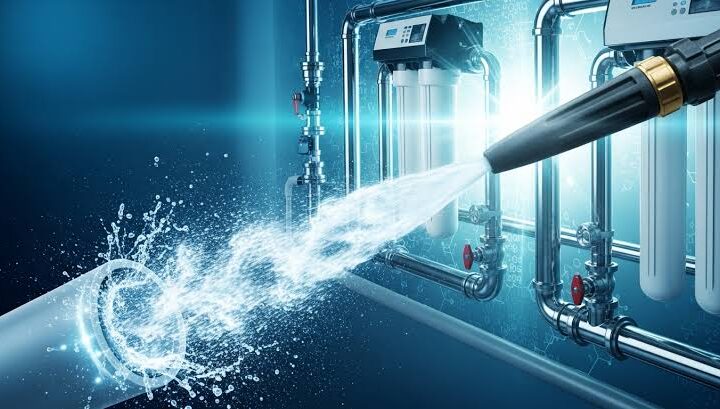
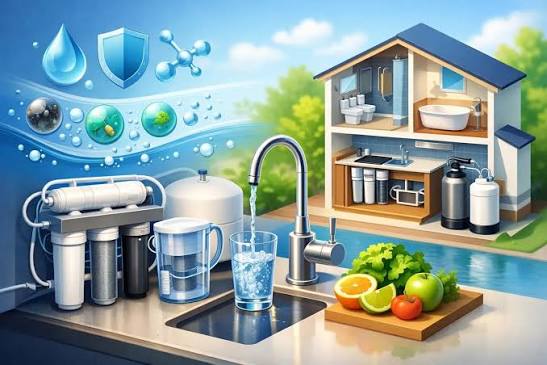
Installing reliable commercial kitchen filtration helps reduce these issues before they become expensive interruptions. By supplying cleaner water to essential equipment, businesses often experience fewer breakdowns, longer equipment life, and more predictable maintenance schedules.
It’s not glamorous, but it works.
Consistency Matters More Than Perfection
Restaurants thrive on consistency.
Customers expect the same great coffee every morning. They expect beverages to taste familiar, dishes to look appealing, and ice to remain clear regardless of the season.
Poor water quality introduces variables that chefs and kitchen staff can’t fully control.
Mineral content may alter flavors. Sediment affects appearance. Chemical odors influence beverages. Even baking results can change depending on water composition.
Removing those inconsistencies helps kitchen teams focus on what they do best—preparing excellent food instead of constantly adjusting recipes to compensate for changing water conditions.
Reliable water quietly becomes another dependable ingredient.
Hygiene Begins With Safe Water
Food safety is one of the biggest responsibilities any commercial kitchen carries.
While proper cleaning procedures and sanitation protocols receive plenty of attention, the quality of the water used during those processes deserves equal consideration.
Effective commercial water sanitization supports cleaner food preparation areas, helps maintain hygiene standards, and contributes to safer daily operations. Whether water is used for washing ingredients, cleaning surfaces, or supporting kitchen equipment, maintaining appropriate water quality strengthens the entire sanitation process.
It doesn’t replace good cleaning habits, of course.
Instead, it complements them by ensuring the water itself supports rather than compromises hygiene efforts.
Hard Water Can Quietly Increase Costs
Hard water is incredibly common across many regions.
At first glance, it may not seem like a serious concern. Water still flows, appliances continue running, and daily operations appear normal.
But inside equipment, mineral deposits gradually begin collecting.
Heating elements lose efficiency.
Dishwashers require more detergent.
Water heaters consume additional energy.
Maintenance becomes increasingly frequent.
These hidden costs add up month after month.
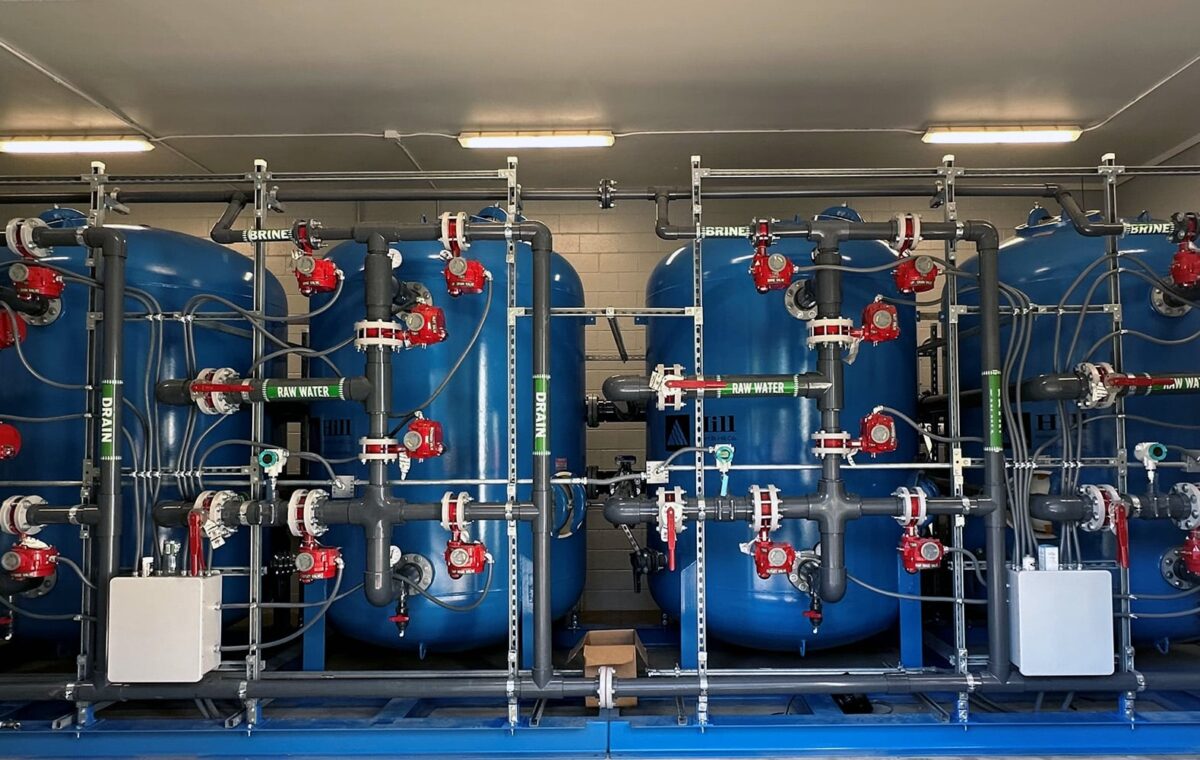
Installing commercial water softeners helps reduce mineral buildup, allowing equipment to operate more efficiently while lowering wear on internal components. Over time, many businesses notice fewer repairs, lower utility costs, and improved equipment performance.
The savings usually arrive quietly rather than dramatically, but they tend to continue for years.
Better Water Helps Staff Work More Efficiently
Kitchen staff already have enough challenges.
Busy service periods, changing orders, inventory management, food preparation, and cleaning all demand attention throughout the day.
Equipment failures only create additional pressure.
When coffee machines require constant maintenance or dishwashers stop performing properly, productivity slows. Employees spend valuable time troubleshooting instead of serving customers.
Reliable water quality removes one more obstacle from an already demanding environment.
It may not eliminate every maintenance issue, but it significantly reduces avoidable problems caused by scale, sediment, or inconsistent water conditions.
That allows kitchen teams to stay focused on delivering excellent service.
Sustainability Starts With Everyday Decisions
Many restaurants and commercial kitchens are looking for practical ways to reduce waste and improve operational efficiency.
Water quality plays a surprisingly important role.
Efficient equipment often uses less electricity because heating surfaces remain cleaner. Properly maintained appliances generally last longer, reducing unnecessary replacements. Better-performing dishwashers and water heaters may also consume fewer resources during daily operation.
None of these improvements happen overnight.
However, over months and years, they contribute to lower operating costs while supporting broader sustainability goals.
Sometimes environmental responsibility begins with simple maintenance decisions rather than large-scale renovations.
Every Kitchen Has Different Needs
A neighborhood café doesn’t use water the same way as a hotel kitchen.
A bakery has different priorities than a hospital cafeteria. Manufacturing food facilities operate differently from quick-service restaurants.
Because every kitchen has unique demands, water treatment should reflect those differences rather than relying on generic solutions.
Testing local water conditions and understanding operational requirements makes it easier to choose systems that solve actual problems instead of adding unnecessary complexity.
Thoughtful planning almost always produces better long-term results.
Final Thoughts
Water may never receive the same attention as fresh ingredients or advanced kitchen equipment, but it quietly supports nearly every part of a commercial food operation. From improving beverage quality and protecting expensive machinery to supporting sanitation and reducing maintenance costs, better water creates benefits that ripple throughout the entire business.
Investing in water quality isn’t simply about preventing equipment breakdowns. It’s about creating a kitchen that runs more smoothly, delivers consistent results, and provides a better experience for both employees and customers.
In the end, the best kitchens aren’t just built on great recipes—they’re built on reliable systems working together every single day. And clean, properly treated water is one of the most important systems of all.