
Why Choosing the Right Water Treatment Professionals Matters
Water treatment sounds straightforward until you actually start looking into it. There are filters, softeners, drinking-water systems, whole-home solutions, replacement parts, maintenance schedules, and a long list of technical terms that can make the whole process feel a little overwhelming.
And honestly, most homeowners don’t want to spend their weekends studying water chemistry.
They want to know what’s wrong with their water, what can be done about it, and whether the solution will work reliably once it’s installed. That’s where experienced water treatment professionals can make a real difference. Having the right people involved can turn a confusing purchase into a much more practical home improvement decision.
Start by Understanding Your Water
Before choosing any equipment, it’s worth figuring out what you’re actually dealing with.
Maybe your faucets have white mineral deposits. Perhaps your shower leaves behind stubborn scale. Your drinking water might have an unusual taste, or your dishes may come out of the dishwasher looking cloudy.
These symptoms can have different causes, and that’s important. A system designed to address hard water isn’t necessarily the best answer for a taste or odor concern.
A proper assessment gives you a clearer starting point.
Instead of buying a system because someone online said it worked for them, you can make a decision based on your own home’s water conditions.
Why Experience Makes a Difference
Water treatment isn’t simply about installing a box on a pipe and walking away.
A professional has to consider the water source, household size, plumbing layout, water usage, existing equipment, and the specific concerns you’re trying to solve. That’s where qualified experts can be especially valuable.
An experienced professional can explain what different systems are designed to do and, just as importantly, what they aren’t designed to do.
That honesty matters. Nobody wants to pay for an expensive system only to discover later that it doesn’t address the original problem.
Water Testing Shouldn’t Be an Afterthought
Good treatment decisions usually begin with information.
Water testing can reveal characteristics that aren’t obvious from looking at a glass of water. Depending on the test, you may learn more about hardness, pH, minerals, or other water-quality factors.
Testing doesn’t necessarily mean there’s something seriously wrong. In many cases, it’s simply a way to replace guesswork with useful information.
Think of it as getting a diagnosis before making a repair. You wouldn’t replace random parts in your car without figuring out why the engine is behaving strangely. Water treatment deserves the same kind of practical thinking.
Experience Helps With System Selection
There are plenty of water treatment products available today, and they don’t all work in the same way.
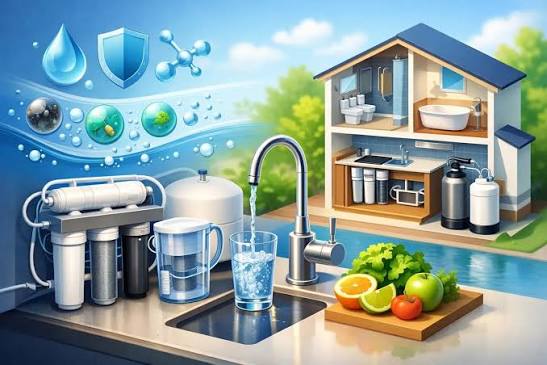
Some systems focus on hardness. Others are designed for sediment, taste, odor, or drinking-water applications. Reverse osmosis systems, carbon filtration, water softeners, and whole-home filtration systems each have different purposes.
Someone with water treatment experience can help you understand those differences without drowning you in technical jargon.
That’s useful because the most expensive system isn’t automatically the best system. What matters is whether the equipment matches the actual water conditions in your home.
Installation Is More Important Than It Looks
Even a high-quality treatment system can perform poorly if it isn’t installed correctly.
Water-treatment equipment has to be connected properly, sized appropriately, and positioned in a way that works with the existing plumbing. Drain connections, water pressure, flow rates, and access for future maintenance may all need to be considered.
It’s one of those jobs that looks easy from the outside.
Then you get underneath the sink and discover that nothing is quite where you expected it to be.
Professional installation can help avoid those headaches and ensure the system is set up according to its requirements.
The Value of Skilled Technicians
A water treatment system doesn’t just need to work on installation day. It needs to continue working months and years later.
That’s why having reliable service technicians and installers can be important. Routine service, filter changes, inspections, troubleshooting, and adjustments can all become part of the system’s life.
If something starts behaving differently, having someone who understands the equipment can save time and frustration.
You shouldn’t have to search through a dozen websites trying to figure out why your system suddenly isn’t performing the way it used to.
Maintenance Keeps Things Running Smoothly
One of the easiest mistakes homeowners make is forgetting about maintenance.
Water treatment equipment often works quietly in the background. There isn’t always an obvious warning when a filter needs replacement or a component needs attention.
But small maintenance tasks can matter.
Filters have useful service lives. Some softening systems need periodic attention. Other equipment may require cleaning or inspection.
A professional can explain the recommended maintenance schedule and help you understand what you can handle yourself and what should be left to a technician.
Don’t Ignore Your Plumbing
Water treatment doesn’t exist separately from the rest of your home’s plumbing.
The condition and design of the plumbing system can affect installation and performance. Older pipes, unusual layouts, pressure issues, or limited installation space may all need to be considered before equipment is added.
This is another reason a professional assessment can be useful.
Sometimes the right solution isn’t simply choosing a different filter. There may be another part of the plumbing system that needs attention first.
Ask Questions Before You Commit
A good water treatment conversation should go both ways.
Ask what the system is designed to address. Ask how often filters or other components need to be replaced. Find out what maintenance is expected and what happens if the equipment needs service later.
It’s also reasonable to ask about operating costs.
A system might look affordable at first, but ongoing filter replacements or service can change the long-term cost. Understanding those details beforehand makes budgeting much easier.
Don’t be afraid to ask a basic question, either. If the explanation is so technical that you can’t understand it, ask for a simpler explanation.
You deserve to know what you’re paying for.
Avoid One-Size-Fits-All Recommendations
Every home has its own personality, and its water can be just as individual.
A small household with municipal water may have completely different needs from a large family using a private well. One home may primarily need help with hardness, while another may be more concerned about drinking-water quality.
A thoughtful recommendation should take those differences into account.
If someone immediately recommends the exact same system for every customer without asking about the water or the property, that’s worth questioning.
Look Beyond the Initial Installation
Choosing water treatment is a long-term decision, not just a one-day purchase.
Think about what happens after installation. Who will service the equipment? Where will replacement filters come from? How easy is it to get help if something stops working?
A company that offers dependable ongoing support can provide value well beyond the initial installation.
That’s especially useful because water treatment equipment is something you expect to live with for years.
A Smarter Way to Improve Your Home’s Water
You don’t need to become an expert in water chemistry to make a good decision. You simply need to start with the right questions.
Understand your water. Test when appropriate. Learn what different treatment technologies actually do, and choose equipment based on your home’s needs rather than marketing language alone.
Most importantly, work with professionals who take the time to explain the process and stand behind their work.
Good water treatment should make life easier, not more complicated. When the system is properly selected, installed, and maintained, you can stop thinking about the technical details and simply enjoy the result.
And really, that’s what a good home improvement should do—it should quietly make everyday life a little better without demanding your attention all the time.