Category: Home Services

  • What’s Really in Your Water? Understanding Minerals, Impurities, and Better Water Quality

    What’s Really in Your Water? Understanding Minerals, Impurities, and Better Water Quality

    We turn on the tap and expect water to be clean. It should look clear, smell normal, and taste fresh enough that we don’t think twice about filling a glass. Most of the time, that’s exactly what happens. But water can contain a surprising mix of naturally occurring minerals and other substances that aren’t visible to the naked eye.

    That doesn’t automatically mean your water is unsafe. Far from it. In many homes, the issue is simply quality — scale on fixtures, an odd taste, cloudy glasses, or a smell that makes you reach for bottled water instead.

    Understanding what’s actually happening inside your water is the first step toward choosing a sensible treatment solution. And once you know the basics, the subject becomes much less mysterious.

    The Minerals Naturally Found in Water

    Water is an excellent solvent, which means it picks up substances as it moves through soil, rocks, pipes, and other materials. Calcium and magnesium are two of the most common minerals found in groundwater.

    These minerals are responsible for water hardness. They aren’t necessarily something homeowners need to worry about from a safety perspective, but they can cause plenty of practical annoyances.

    For instance, hard water minerals can leave behind deposits on faucets, shower doors, dishes, and appliances. If you’ve ever cleaned a kettle only to find a chalky layer returning a few weeks later, you’ve probably seen the effects firsthand.

    Over time, mineral buildup can become more than an aesthetic problem. Scale may accumulate inside water heaters and other equipment, making maintenance more important and potentially affecting efficiency.

    Not Everything Dissolved in Water Is a Problem

    The phrase “impurities” can sound alarming, but it needs some context.

    Water naturally contains dissolved substances. Some are harmless minerals. Others may affect taste, smell, appearance, or how water behaves around plumbing. And some contaminants can be a genuine concern, depending on their concentration and the source of the water.

    This is why a water test can be so useful. Rather than assuming that every dissolved substance is bad, testing gives you a clearer picture of what’s actually present.

    If you use municipal water, your local water provider may publish quality information. Private well owners generally have more responsibility for testing because groundwater conditions can vary considerably.

    The goal isn’t to become a chemist overnight. It’s simply to replace guesswork with information.

    What Are Dissolved Solids?

    You may have seen the term TDS, or total dissolved solids, when researching water filters.

    TDS is a broad measurement of dissolved substances in water. It can include minerals, salts, metals, and other dissolved materials. A high TDS reading doesn’t automatically tell you that water is unsafe, just as a low reading doesn’t automatically guarantee that everything is perfect.

    This is an important distinction because water quality is more complicated than one number.

    When evaluating dissolved solids and impurities, it’s better to understand which specific substances are present rather than relying entirely on a general TDS reading.

    For example, someone might be concerned about hardness, while another homeowner may be primarily interested in reducing chlorine taste. Their treatment needs could be completely different even if they live in the same neighborhood.

    Why Water Can Taste Different From One Home to Another

    Have you ever visited someone else’s house and noticed that their tap water tastes different?

    You’re not imagining it.

    Taste can be influenced by the source of the water, treatment chemicals, dissolved minerals, plumbing materials, temperature, and even the condition of a home’s pipes.

    Chlorine, for example, is commonly used in municipal water treatment and can sometimes produce a noticeable taste or odor. Certain minerals can also affect flavor.

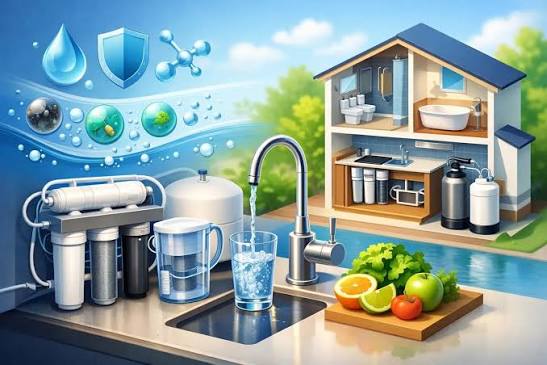
    Filtration can help in some situations. Activated carbon filters are widely used to reduce chlorine and improve taste and odor, while other technologies are designed to address different contaminants.

    The key is knowing what you’re trying to improve before choosing a filter.

    Clear Water Isn’t Always the Whole Story

    One of the biggest misconceptions about household water is that you can judge its quality simply by looking at it.

    Visual appearance is useful, but limited.

    Water can look completely clear while containing dissolved substances that can’t be seen. On the other hand, cloudy water isn’t necessarily dangerous; tiny air bubbles can sometimes make water appear milky for a short time.

    If you notice persistent discoloration, sediment, unusual odors, or a sudden change in taste, it’s worth investigating rather than ignoring it.

    Sometimes the explanation is straightforward. A plumbing issue, maintenance problem, or temporary change in the supply may be responsible. Other times, testing is needed to understand what’s happening.

    Choosing the Right Treatment

    There isn’t one water treatment system that is perfect for every home.

    A household struggling with hard water may benefit from a softening system. Someone concerned about drinking water taste may prefer a carbon filter. A homeowner dealing with particular dissolved contaminants might consider reverse osmosis or another specialized technology.

    The right solution depends on the water analysis and the intended use.

    This is where shopping based on marketing claims can get you into trouble. A product may advertise that it “purifies” or “cleans” water, but those broad terms don’t explain exactly what it removes.

    Look for specific performance information and recognized certifications where applicable. If a company can’t clearly explain what its system is designed to reduce, take a step back.

    Don’t Forget About Maintenance

    Even the best filtration equipment needs attention.

    Filters eventually need replacement. Membranes have a service life. Water softeners require routine care. Ignoring those requirements can affect performance and increase the likelihood of problems later.

    Before purchasing a system, find out how often components need changing and how much replacements cost. Also ask whether parts are readily available.

    This is one of those details that’s easy to overlook when you’re excited about getting cleaner-tasting water. Six months later, though, you may wish you’d checked.

    Better Taste Can Make a Difference

    Water quality isn’t only about numbers and laboratory reports. There’s a very human side to it.

    If water tastes good, people are generally more likely to choose it throughout the day. A cold glass of fresh-tasting water can be far more appealing than something with a strong chemical or metallic aftertaste.

    For many households, filtration can provide enhanced taste and clarity, making tap water more pleasant for drinking, cooking, coffee, and other everyday uses.

    It’s a relatively small improvement, perhaps, but small improvements repeated every day tend to matter.

    A Smarter Way to Think About Water Quality

    The best approach to household water treatment isn’t to assume that every mineral is harmful or that every filter is necessary.

    Start by understanding your water source. Test when appropriate. Identify the specific concern. Then choose a treatment technology designed to address that concern.

    Hardness, dissolved substances, sediment, chlorine, taste, and other water-quality characteristics all require slightly different thinking.

    And that’s really the point: good water treatment starts with knowledge.

    You don’t need to install every piece of equipment available. You don’t need to chase the latest trend, either. Sometimes the right answer is a simple filter. Sometimes it’s a softener or a more advanced treatment system.

    What matters is that the solution fits the water in your home and the people using it.

    After all, water is something we interact with dozens of times a day without really noticing. When it’s clean, pleasant, and reliable, that’s exactly how it should feel — ordinary, dependable, and one less thing to worry about.


  • Portsmouth and Manchester Removals: A Straightforward Guide to Moving Without the Stress

    Portsmouth and Manchester Removals: A Straightforward Guide to Moving Without the Stress

    There’s a moment during almost every house move when things feel like they’re spiralling: boxes everywhere, a van that seems smaller than it looked in the driveway, and a nagging feeling that something important has been forgotten. Choosing the right removals support won’t eliminate every hiccup, but it makes an enormous difference to how manageable the day actually feels. This is especially true in cities like Portsmouth and Manchester, where local geography and housing types bring their own particular quirks to the process.

    This guide focuses on what genuinely matters when planning a move in either city, from the questions worth asking upfront to the details that tend to get overlooked until it’s too late.

    The Groundwork That Makes Everything Easier Later

    Before contacting any removals company, it helps to spend a little time mapping out your own move. Count the rooms, note anything unusually large or fragile, and don’t forget spaces people commonly overlook, like garages, sheds, and lofts. A move that looks simple on paper can quickly become complicated once someone remembers the boxes stacked in the attic since 2019.

    Sharing this information clearly with prospective companies, ideally through a proper survey rather than a rushed phone call, tends to produce far more accurate and trustworthy quotes. It also gives the removals team a realistic sense of how long the job will actually take, which matters more than people expect when scheduling the rest of moving day around it.

    A Few Questions That Reveal a Lot

    Asking the right questions early on tends to filter out companies that aren’t a good fit before you’ve committed to anything:

    • Is this quote based on an actual survey, or an estimate over the phone?
    • What’s included as standard, and what counts as an extra charge?
    • How is insurance handled if something gets damaged during transit?
    • What size team and vehicle will be assigned to a job of this scale?

    Companies confident in their process tend to answer these without hesitation. Vague or evasive responses are usually worth treating as a signal to look elsewhere.

    Portsmouth’s Unique Position Shapes Every Move

    Portsmouth sits largely on an island, with a naval history that’s left a distinctive mark on its older residential areas. Streets around Old Portsmouth and parts of Southsea are frequently narrow, with terraced houses built close to the road and little to no off-street parking. This means loading a van sometimes involves carrying items a fair distance rather than wheeling them straight from the front door.

    Anyone comparing Removals Portsmouth UK companies should ask specifically about experience with these older, tighter streets, since the right approach here involves patience, the correct equipment, and realistic time estimates rather than rushing the job. Companies unfamiliar with the area sometimes underestimate how much longer these moves take compared to a straightforward suburban job.

    The city’s coastal position also means some households are moving to or from the Isle of Wight, which introduces ferry timing into the equation. If this applies to you, confirm early whether your chosen company has handled crossings before, since a missed sailing can add hours to what might otherwise have been a smooth day.

    Watch Out for These Portsmouth-Specific Issues

    • Assuming a van can park directly outside a narrow terraced property without checking first
    • Forgetting that seafront areas occasionally see restricted access during certain times or events
    • Booking a ferry crossing without enough buffer time for loading delays
    • Leaving garage or shed contents out of the initial quote discussion

    Flagging these points early, rather than discovering them on the day, keeps the schedule realistic and avoids unnecessary stress.

    Manchester’s Mixed Housing Stock Demands Flexibility

    Manchester has changed considerably over the past couple of decades, with converted industrial buildings, glossy new apartment towers, and classic Victorian terraces all sitting within the same city, sometimes on the same street. This variety means a one-size-fits-all approach to removals simply doesn’t work here.

    High-rise living, particularly in areas like the city centre, Ancoats, and Salford Quays, comes with its own set of logistical demands. Lift bookings, restricted delivery hours, and required insurance documentation from the removals company are common requirements in these buildings, and skipping this step is a frequent cause of delays when a team gets turned away at the door.

    When researching Manchester Removal Services, ask directly whether the company has genuine experience with high-rise moves rather than assuming general removals experience covers it automatically. The planning involved, particularly coordinating with a building’s concierge or management team, is meaningfully different from a standard house move.

    Older Terraces Bring a Different Set of Challenges

    Victorian terraces common throughout areas like Chorlton, Levenshulme, and parts of Didsbury often have narrow hallways and steep, tight staircases that weren’t designed with modern furniture dimensions in mind. If your move involves one of these properties, mention any large items during the quoting stage so the team can bring the right equipment, such as furniture straps or protective guards for awkward corners.

    Making Sense of Different Quotes

    Removal companies structure their pricing in genuinely different ways, which makes comparing quotes purely on price potentially misleading. The most reliable method is requesting an itemised breakdown from each company covering identical scope of work.

    Worth confirming before committing to any single company:

    1. Whether the price is fixed or could rise if the job takes longer than expected
    2. What insurance applies, and whether there’s a cap on compensation per item
    3. Whether packing materials and disassembly are included or charged separately
    4. How the company handles unexpected access issues, like restricted parking

    Timing Your Move Sensibly

    Demand for removal services follows a fairly predictable pattern across most UK cities. End-of-month dates and weekends tend to be busiest, partly because many tenancy agreements conclude on the last day of the month. If your schedule allows flexibility, a midweek slot away from month-end typically means better availability and, in many cases, a more competitive price.

    Booking at least four to six weeks ahead gives both you and the removals company enough time to plan properly, rather than rushing a job into an already full schedule.

    Small Steps That Reduce Moving Day Stress

    A little preparation on your end goes a long way, regardless of which company handles the heavy lifting:

    • Pack a labelled essentials box with chargers, toiletries, medication, and a change of clothes
    • Label boxes by destination room instead of category, which speeds up unpacking considerably
    • Photograph any complicated wiring before disconnecting electronics
    • Use towels or bedding to protect fragile items, reducing how much bought packing material you need

    Frequently Asked Questions

    How much notice should I give a removals company in Portsmouth or Manchester?

    Four to six weeks is a sensible target, with more lead time recommended around weekends, month-end dates, or peak summer months.

    Do Portsmouth movers handle ferry crossings for Isle of Wight relocations?

    Some do, but it isn’t universal. Always confirm this directly rather than assuming it’s included as standard.

    What should I check before moving into a Manchester high-rise?

    Contact building management to confirm lift booking procedures, permitted moving hours, and whether proof of insurance is required from your removals company.

    Is a fixed-price quote generally better than an hourly rate?

    Fixed pricing offers more certainty, particularly for properties with tricky access or unpredictable loading times. Clarify which applies before booking.

    What items commonly get left out of initial moving quotes?

    Garage, loft, and shed contents are frequently overlooked, leading to underestimated quotes. Mention every storage space upfront for a more accurate price.

    Does moving cost more during the summer months?

    Generally yes, since demand rises nationwide during warmer months. Booking outside peak season or midweek often results in better availability and pricing.

  • Why Choosing the Right Water Treatment Professionals Matters

    Why Choosing the Right Water Treatment Professionals Matters

    Water treatment sounds straightforward until you actually start looking into it. There are filters, softeners, drinking-water systems, whole-home solutions, replacement parts, maintenance schedules, and a long list of technical terms that can make the whole process feel a little overwhelming.

    And honestly, most homeowners don’t want to spend their weekends studying water chemistry.

    They want to know what’s wrong with their water, what can be done about it, and whether the solution will work reliably once it’s installed. That’s where experienced water treatment professionals can make a real difference. Having the right people involved can turn a confusing purchase into a much more practical home improvement decision.

    Start by Understanding Your Water

    Before choosing any equipment, it’s worth figuring out what you’re actually dealing with.

    Maybe your faucets have white mineral deposits. Perhaps your shower leaves behind stubborn scale. Your drinking water might have an unusual taste, or your dishes may come out of the dishwasher looking cloudy.

    These symptoms can have different causes, and that’s important. A system designed to address hard water isn’t necessarily the best answer for a taste or odor concern.

    A proper assessment gives you a clearer starting point.

    Instead of buying a system because someone online said it worked for them, you can make a decision based on your own home’s water conditions.

    Why Experience Makes a Difference

    Water treatment isn’t simply about installing a box on a pipe and walking away.

    A professional has to consider the water source, household size, plumbing layout, water usage, existing equipment, and the specific concerns you’re trying to solve. That’s where qualified experts can be especially valuable.

    An experienced professional can explain what different systems are designed to do and, just as importantly, what they aren’t designed to do.

    That honesty matters. Nobody wants to pay for an expensive system only to discover later that it doesn’t address the original problem.

    Water Testing Shouldn’t Be an Afterthought

    Good treatment decisions usually begin with information.

    Water testing can reveal characteristics that aren’t obvious from looking at a glass of water. Depending on the test, you may learn more about hardness, pH, minerals, or other water-quality factors.

    Testing doesn’t necessarily mean there’s something seriously wrong. In many cases, it’s simply a way to replace guesswork with useful information.

    Think of it as getting a diagnosis before making a repair. You wouldn’t replace random parts in your car without figuring out why the engine is behaving strangely. Water treatment deserves the same kind of practical thinking.

    Experience Helps With System Selection

    There are plenty of water treatment products available today, and they don’t all work in the same way.

    Some systems focus on hardness. Others are designed for sediment, taste, odor, or drinking-water applications. Reverse osmosis systems, carbon filtration, water softeners, and whole-home filtration systems each have different purposes.

    Someone with water treatment experience can help you understand those differences without drowning you in technical jargon.

    That’s useful because the most expensive system isn’t automatically the best system. What matters is whether the equipment matches the actual water conditions in your home.

    Installation Is More Important Than It Looks

    Even a high-quality treatment system can perform poorly if it isn’t installed correctly.

    Water-treatment equipment has to be connected properly, sized appropriately, and positioned in a way that works with the existing plumbing. Drain connections, water pressure, flow rates, and access for future maintenance may all need to be considered.

    It’s one of those jobs that looks easy from the outside.

    Then you get underneath the sink and discover that nothing is quite where you expected it to be.

    Professional installation can help avoid those headaches and ensure the system is set up according to its requirements.

    The Value of Skilled Technicians

    A water treatment system doesn’t just need to work on installation day. It needs to continue working months and years later.

    That’s why having reliable service technicians and installers can be important. Routine service, filter changes, inspections, troubleshooting, and adjustments can all become part of the system’s life.

    If something starts behaving differently, having someone who understands the equipment can save time and frustration.

    You shouldn’t have to search through a dozen websites trying to figure out why your system suddenly isn’t performing the way it used to.

    Maintenance Keeps Things Running Smoothly

    One of the easiest mistakes homeowners make is forgetting about maintenance.

    Water treatment equipment often works quietly in the background. There isn’t always an obvious warning when a filter needs replacement or a component needs attention.

    But small maintenance tasks can matter.

    Filters have useful service lives. Some softening systems need periodic attention. Other equipment may require cleaning or inspection.

    A professional can explain the recommended maintenance schedule and help you understand what you can handle yourself and what should be left to a technician.

    Don’t Ignore Your Plumbing

    Water treatment doesn’t exist separately from the rest of your home’s plumbing.

    The condition and design of the plumbing system can affect installation and performance. Older pipes, unusual layouts, pressure issues, or limited installation space may all need to be considered before equipment is added.

    This is another reason a professional assessment can be useful.

    Sometimes the right solution isn’t simply choosing a different filter. There may be another part of the plumbing system that needs attention first.

    Ask Questions Before You Commit

    A good water treatment conversation should go both ways.

    Ask what the system is designed to address. Ask how often filters or other components need to be replaced. Find out what maintenance is expected and what happens if the equipment needs service later.

    It’s also reasonable to ask about operating costs.

    A system might look affordable at first, but ongoing filter replacements or service can change the long-term cost. Understanding those details beforehand makes budgeting much easier.

    Don’t be afraid to ask a basic question, either. If the explanation is so technical that you can’t understand it, ask for a simpler explanation.

    You deserve to know what you’re paying for.

    Avoid One-Size-Fits-All Recommendations

    Every home has its own personality, and its water can be just as individual.

    A small household with municipal water may have completely different needs from a large family using a private well. One home may primarily need help with hardness, while another may be more concerned about drinking-water quality.

    A thoughtful recommendation should take those differences into account.

    If someone immediately recommends the exact same system for every customer without asking about the water or the property, that’s worth questioning.

    Look Beyond the Initial Installation

    Choosing water treatment is a long-term decision, not just a one-day purchase.

    Think about what happens after installation. Who will service the equipment? Where will replacement filters come from? How easy is it to get help if something stops working?

    A company that offers dependable ongoing support can provide value well beyond the initial installation.

    That’s especially useful because water treatment equipment is something you expect to live with for years.

    A Smarter Way to Improve Your Home’s Water

    You don’t need to become an expert in water chemistry to make a good decision. You simply need to start with the right questions.

    Understand your water. Test when appropriate. Learn what different treatment technologies actually do, and choose equipment based on your home’s needs rather than marketing language alone.

    Most importantly, work with professionals who take the time to explain the process and stand behind their work.

    Good water treatment should make life easier, not more complicated. When the system is properly selected, installed, and maintained, you can stop thinking about the technical details and simply enjoy the result.

    And really, that’s what a good home improvement should do—it should quietly make everyday life a little better without demanding your attention all the time.

  • When a Drain Problem Needs More Than a Quick Fix

    When a Drain Problem Needs More Than a Quick Fix

    A slow drain is one of those household problems that’s easy to ignore. At first, the water still goes down, just a little more slowly than usual. Then you find yourself standing in the shower with water around your ankles, or waiting for the kitchen sink to empty after washing a few dishes.

    Most people reach for a bottle of drain cleaner or try a plunger. Sometimes that works. But when the same problem keeps returning, it may be telling you something about the plumbing system that a quick fix can’t solve.

    Understanding when to clean, inspect, or call a professional can save you from a much bigger mess later.

    Why Drains Slow Down in the First Place

    Drain problems usually begin with buildup.

    In kitchen sinks, grease, food particles, and soap residue can gradually collect inside the pipe. Bathroom drains often deal with hair, toothpaste, soap, and other debris. Over time, that material narrows the passage available for water.

    The result is a drain that technically works but doesn’t work very well.

    A single slow drain isn’t always a serious concern. However, if several drains throughout the property begin slowing down at the same time, the problem may be farther into the main drainage system.

    That’s when repeated DIY attempts may stop being useful.

    When Professional Drain Cleaning Makes Sense

    Professional expert drain cleaning goes beyond simply pushing a blockage farther down the pipe.

    A technician can investigate the cause of the obstruction and determine whether the problem is isolated or connected to a larger drainage issue. Depending on the situation, they may use specialized tools to clear buildup and restore proper flow.

    This can be especially helpful when plungers and basic drain tools aren’t solving the problem.

    There’s also value in finding out why the drain keeps clogging. If the same sink backs up every few weeks, constantly clearing it isn’t really a long-term solution.

    Hydro Jetting Is Powerful, But It Isn’t for Every Drain

    When traditional drain cleaning isn’t enough, high-pressure water can sometimes provide a more thorough cleaning method.

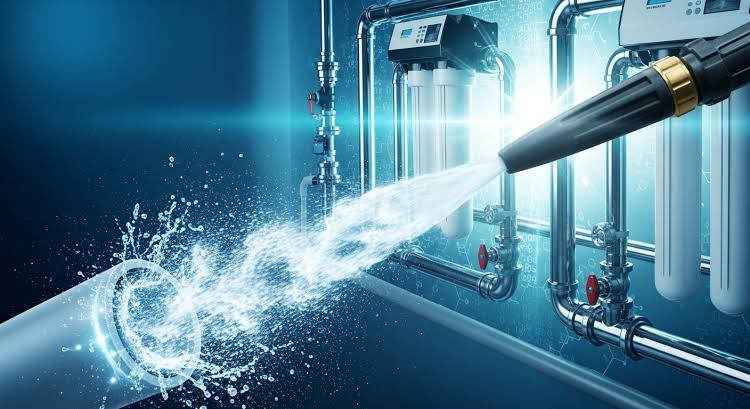
    Advanced hydro jetting and drain cleaning uses specialized equipment to send pressurized water through the plumbing line. The water can help break apart grease, sludge, mineral buildup, and other material clinging to the inside of the pipe.

    One benefit is that hydro jetting doesn’t simply create a narrow path through a blockage. When conditions are appropriate, it can clean more of the pipe’s interior surface.

    Still, hydro jetting isn’t automatically the right choice for every plumbing system. The condition, material, size, and accessibility of the pipe all matter. A professional should determine whether the line is suitable before using high-pressure equipment.

    Watch for Signs of a Larger Sewer Problem

    Not every drain clog is a sewer problem, but certain warning signs deserve attention.

    If several fixtures back up at once, toilets make unusual sounds when sinks drain, or wastewater appears where it shouldn’t, there may be an issue farther along the system.

    Persistent foul odors can also be worth investigating, particularly when they’re accompanied by slow drainage or recurring backups.

    These situations are different from a single clogged bathroom sink. Instead of treating each fixture separately, it may be necessary to inspect the main drain or sewer line.

    Why Repeated Clogs Shouldn’t Be Ignored

    A recurring clog is frustrating, but it’s also useful information.

    If you clear the same drain every few weeks, something is causing the restriction to return. It could be grease accumulation, tree-root intrusion, damaged piping, poor slope, mineral deposits, or another underlying issue.

    Simply treating the symptom can become expensive over time.

    A professional inspection can help determine whether the pipe needs cleaning, repair, or a more detailed examination. Sometimes the answer is surprisingly simple. Other times, finding the cause early can prevent a much larger sewer repair.

    Backflow Prevention Is Part of Good Plumbing Care

    Drainage isn’t the only plumbing concern worth considering.

    Backflow prevention helps keep potentially contaminated water from moving backward into a clean water supply. Certain properties and plumbing systems may require backflow prevention assemblies and periodic testing.

    Professional backflow testing and prevention can help determine whether an installed device is operating properly and meeting applicable requirements.

    This is particularly important for properties with irrigation systems, commercial plumbing connections, or other potential cross-connections.

    A backflow device may look perfectly normal from the outside while internal components have become worn. Testing provides information that a simple visual inspection can’t.

    Don’t Rely on Chemical Cleaners for Everything

    Chemical drain cleaners can seem like an easy answer. Pour something down the drain, wait, rinse, and hopefully the problem disappears.

    The issue is that these products don’t necessarily address the underlying cause. A serious obstruction may remain, and repeated use can create other concerns for certain plumbing systems.

    If you’ve already tried basic methods and the drain continues to clog, it’s usually better to stop experimenting and find out what’s actually happening.

    Sometimes the pipe needs mechanical cleaning. Sometimes it needs inspection. And occasionally the problem isn’t the drain itself at all.

    A Little Prevention Goes a Long Way

    The best drain problem is the one that never happens.

    Avoid pouring cooking grease down the kitchen sink. Use drain screens in showers and tubs to catch hair. Be careful about what goes down toilets, and don’t treat them like household trash cans.

    It’s also useful to pay attention to gradual changes. A drain that takes several minutes to empty today may be completely blocked next month.

    Small maintenance habits aren’t exciting, but they can save you from standing in dirty water on a Tuesday morning.

    Know When It’s Time to Call a Professional

    Some minor clogs can be handled at home. But if multiple drains are affected, backups keep returning, or you notice unusual sewer-related symptoms, professional help is usually the better route.

    The goal isn’t simply to get water moving again for another week.

    It’s to understand what’s restricting the system and choose a solution that makes sense for the condition of the plumbing.

    Healthy Drains Are About More Than Fast Water Flow

    Your drains are easy to forget because they’re supposed to work quietly in the background. When they start slowing down, though, they’re giving you useful information.

    Responding early can often mean a simpler repair. Waiting until a clog becomes a full backup is another story entirely.

    Whether the answer involves routine cleaning, hydro jetting, inspection, or another professional service, the smartest approach is to understand the problem before choosing the fix.

    Good plumbing isn’t just about clearing today’s blockage. It’s about keeping the entire drainage system working reliably for the long haul.

  • Finding the Right Water Filter for the Way You Actually Live

    Finding the Right Water Filter for the Way You Actually Live

    Water treatment used to feel like something only a few homeowners thought about. These days, that’s changing. People are paying more attention to what’s coming from their taps, how their water tastes, and whether the equipment in their homes is quietly dealing with years of mineral buildup.

    The funny thing is, there isn’t one perfect answer for everyone. A large family may need a completely different setup from someone living in a small apartment. A busy office has different priorities again. And if you’re renting, drilling into plumbing probably isn’t high on your list of weekend hobbies.

    The good news? Water treatment has become flexible. There are simple countertop options, point-of-use filters, and convenient dispensers that can fit into all sorts of homes and workplaces.

    Start by Understanding Your Water

    Before choosing a filter, take a moment to consider what you’re trying to fix.

    Is the water tasting strongly of chlorine? Are there visible particles? Do you have hard water that leaves white deposits on faucets? Are you mainly concerned about drinking water, or do you want treatment throughout the entire house?

    A water test can help answer questions that appearance alone can’t. Clear water isn’t necessarily free from dissolved minerals or other substances, while cloudy water doesn’t automatically mean something dangerous is present.

    If a provider offers a free water test, it can be a convenient way to learn more before spending money on equipment. Just make sure you understand what the test actually checks and what the results mean.

    Testing first is usually cheaper than buying the wrong filter and discovering later that it doesn’t address your main concern.

    Bottleless Dispensers Make Drinking Water Convenient

    For offices, waiting rooms, gyms, schools, and busy households, convenience matters almost as much as filtration.

    Bottleless water coolers/dispensers connect directly to a water supply and typically use filtration to provide drinking water without relying on large plastic bottles.

    There’s a practical appeal here. No heavy bottles need to be lifted onto the machine. There’s no stack of containers taking up storage space, and businesses don’t have to worry about running out of bottled water unexpectedly.

    Many dispensers offer chilled and room-temperature water, while some models include hot-water options.

    Of course, they still need regular filter changes and cleaning. Bottleless doesn’t mean maintenance-free. But for high-use environments, the convenience can be significant.

    Countertop Filtration for Smaller Spaces

    Not every home needs a whole-house water treatment system.

    If you’re living in an apartment, renting a property, or simply want better drinking water at the kitchen counter, a smaller system may make more sense.

    Countertop water filtration offers a relatively simple way to treat water at the point where you use it most. Depending on the technology, countertop units may reduce sediment, chlorine, certain odors, or other substances the filter is specifically designed to address.

    They’re also convenient for people who don’t want permanent plumbing modifications.

    But there are limitations. A countertop filter generally treats only the water that passes through it. If hard water is affecting your shower, laundry, and water heater, a small kitchen filter won’t solve those issues.

    That’s not a flaw. It’s simply a matter of choosing the right tool for the job.

    Don’t Assume More Filtration Is Always Better

    It’s easy to fall into the “more stages must mean better water” trap.

    Marketing materials often list long collections of filtration stages, technical terms, and impressive-sounding features. But the number of stages isn’t what matters most.

    What matters is whether the system is designed to reduce the specific substances you’re concerned about.

    For example, activated carbon is commonly used for certain taste and odor concerns. Sediment filters can help capture particles. Reverse osmosis can reduce many dissolved substances, depending on the system.

    If your primary issue is hard water, though, you may need a softener rather than a standard drinking-water filter.

    Understanding the difference can save both money and frustration.

    Think About How Much Water You Actually Use

    Water consumption should also influence your choice.

    A couple living in a small apartment may have completely different needs from a family of six. A busy office might go through several gallons of drinking water every day.

    Filter capacity and flow rate matter because an undersized system may become inconvenient or require frequent replacement.

    When comparing equipment, look beyond the purchase price. Check the replacement filter cost, expected service life, installation requirements, and ongoing maintenance.

    Sometimes the cheapest filter isn’t the cheapest option over five years.

    Taste Is Important, But It Isn’t Everything

    Taste is often what motivates people to buy a filter, and that’s perfectly reasonable. If water tastes unpleasant, you’re less likely to drink it.

    Still, taste alone doesn’t tell you whether water is safe or unsafe.

    Some contaminants have no noticeable taste or smell. That’s another reason testing can be useful, especially for private well owners.

    If you’re concerned about a specific contaminant, look for a filter that has been independently tested or certified for reducing that particular substance. Don’t rely solely on vague claims such as “purifies everything.”

    A little skepticism is healthy when shopping for water treatment equipment.

    Maintenance Is the Part Nobody Likes

    Whatever system you choose, remember that filters don’t last forever.

    A cartridge that’s designed to treat a certain volume of water will eventually reach its capacity. Leaving it in place indefinitely can reduce performance and may affect water quality.

    Mark the replacement date on the filter housing or put a reminder on your phone. For bottleless dispensers, keep up with cleaning and servicing. For countertop systems, follow the manufacturer’s replacement schedule.

    It takes only a few minutes to stay organized, and it prevents the classic problem of realizing six months later that the filter should have been changed months ago.

    Choose the System That Fits Your Routine

    The best water treatment system is the one you’ll actually use and maintain.

    For high-use offices and commercial spaces, bottleless dispensers can provide convenient filtered drinking water without the hassle of large bottles. For smaller homes or rentals, countertop filtration may be all that’s needed.

    Whatever you choose, start by understanding your water and your goals. Test when appropriate, compare what each system is designed to remove, and consider long-term maintenance costs.

    Good water treatment doesn’t need to be complicated. It just needs to make sense for your home, your water, and the way you live.

  • Choosing the Right Water Treatment Approach for Homes and Businesses

    Choosing the Right Water Treatment Approach for Homes and Businesses

    Water is one of those things most of us barely think about until something feels off. Maybe the tap water suddenly tastes metallic. Perhaps white scale keeps appearing around faucets, glasses look cloudy after washing, or there’s an odd smell that wasn’t there a few months ago. Sometimes the problem is obvious. Other times, water can look perfectly clear while still containing things you’d rather not have flowing through your pipes.

    That’s why choosing a water treatment system shouldn’t begin with buying whatever filter happens to be popular. It starts with understanding the water itself, how it’s being used, and what actually needs fixing.

    Water Problems Aren’t the Same Everywhere

    Two properties on the same street can have surprisingly different water concerns. One home might struggle with hardness and mineral buildup, while another notices chlorine taste or sediment. A restaurant, warehouse, office building, or manufacturing facility may face an entirely different set of demands.

    Source water matters, plumbing matters, daily consumption matters. Even seasonal changes can affect water quality in some areas.

    This is where custom treatment options make practical sense. Instead of treating every property as though it has the same problem, a tailored approach starts with testing and then matches equipment to the actual conditions. Sometimes that means filtration. Sometimes softening, disinfection, reverse osmosis, or a combination of several technologies.

    More equipment isn’t necessarily better. The right equipment is better.

    Start With a Proper Water Assessment

    It’s tempting to diagnose water by appearance alone. Cloudiness means sediment, right? A strange smell must mean contamination? Not necessarily.

    Water chemistry is more complicated than that.

    A professional assessment can identify hardness, pH, dissolved minerals, chlorine levels, iron, manganese, total dissolved solids, and other potential concerns depending on the water source. Private wells may require different testing than municipal supplies.

    Testing also prevents people from spending money on systems they don’t really need.

    For example, a homeowner bothered by scale may primarily need a water-softening solution rather than an elaborate whole-house filtration setup. On the other hand, someone concerned about drinking-water taste might benefit from targeted filtration at the kitchen sink.

    Knowing what’s in the water changes the conversation completely.

    What Homeowners Usually Need From Water Treatment

    At home, water quality is personal. It’s the water used for morning coffee, cooking pasta, washing vegetables, showering, doing laundry, and filling a child’s water bottle before school.

    Good residential water treatment should therefore address both water quality and everyday convenience. Depending on local conditions, a household system may reduce sediment, hardness minerals, chlorine taste and odor, iron, or other unwanted substances.

    There can be practical benefits beyond drinking water, too.

    Hard water, for instance, can leave mineral deposits on shower doors and fixtures. Scale can accumulate inside appliances that heat or move water. Soap may not lather as easily, and freshly washed glasses sometimes come out looking dull.

    Fixing the underlying water issue can make these small daily annoyances noticeably less annoying.

    Still, homeowners shouldn’t assume they need the biggest system available. A family of three living in a modest house has different requirements from a large household with several bathrooms, high water consumption, a pool, and irrigation equipment.

    Sizing matters.

    Businesses Have a Different Water Challenge

    Commercial properties often need to think beyond taste and appearance. Water can become part of the operation itself.

    Restaurants depend on it for beverages, cooking, dishwashing, ice machines, and cleaning. Hotels use substantial amounts for guest rooms and laundry. Healthcare facilities may have stricter water-quality requirements, while certain industrial operations need carefully controlled water characteristics for equipment or production processes.

    For these environments, commercial water treatment needs to account for flow rate, peak demand, operating hours, maintenance requirements, equipment protection, and sometimes industry-specific standards.

    A small café and a 150-room hotel clearly shouldn’t be using identical systems.

    Reliability becomes especially important. If a household filtration unit needs servicing, it’s inconvenient. If critical water equipment fails during a restaurant’s busiest evening or interrupts a commercial process, the consequences may involve downtime, unhappy customers, and lost revenue.

    That changes how systems should be designed.

    Think About Maintenance Before Installation

    One detail people regularly overlook is what happens after the equipment goes in.

    Filters eventually need replacing. Salt-based softeners need appropriate upkeep. Membranes have service lives. Tanks, valves, pumps, and other components may require periodic inspection.

    A system that’s technically impressive but difficult or expensive to maintain can become frustrating surprisingly quickly.

    Before choosing equipment, ask how often routine service is required, what replacement components cost, whether they’re readily available, and how you’ll know when something needs attention.

    Those aren’t exciting questions, admittedly. They’re still some of the most useful ones.

    Efficiency Matters More Than Ever

    Modern treatment systems can also be evaluated for water and energy efficiency. An oversized or poorly configured system may waste resources without providing any meaningful improvement in water quality.

    The goal shouldn’t be to remove absolutely everything from every gallon of water. It should be to treat the water appropriately for its intended use.

    Drinking water may require one level of treatment, while water used for landscaping obviously doesn’t need the same approach. In commercial settings, separating treatment requirements by application can sometimes make the overall system more efficient and economical.

    Better Water Starts With Better Decisions

    There’s no universal water treatment setup that works perfectly for every home or business. And, really, that’s the point.

    The sensible path is fairly simple: test the water, understand the problem, consider how much water the property actually uses, and choose treatment technology accordingly. Then factor in maintenance and long-term operating costs before making the final decision.

    Water treatment works best when it’s almost invisible. You turn on the tap, equipment runs properly, appliances aren’t battling unnecessary scale, and the water simply feels right for the job.

    That’s ultimately what a well-designed system should deliver—not complexity for its own sake, but dependable water that suits the people and property using it every day.

  • Smarter Water Management: Finding the Right Solutions for Every Need

    Smarter Water Management: Finding the Right Solutions for Every Need

    Water is one of those things we often take for granted until something goes wrong. A strange taste, stubborn scale on faucets, low pressure, or water that simply doesn’t look right can quickly turn an everyday routine into a headache. And for farms and businesses, water problems can affect far more than convenience—they can influence productivity, equipment, operating costs, and even long-term growth.

    That’s why modern water management is less about finding a single “perfect” system and more about understanding what the water actually needs. From agricultural operations to busy commercial properties and residential wells, the right approach starts with identifying the problem and matching it with practical technology.

    Water Needs Are Different Everywhere

    No two water systems are exactly alike. A small rural property may depend on a private well, while a large agricultural operation could use several water sources for irrigation and livestock. A restaurant or office building, meanwhile, has completely different demands.

    This is where customized farm & agriculture systems can make a meaningful difference. Agricultural water systems may need to handle high volumes, sediment, mineral buildup, or water-quality concerns while keeping irrigation and other essential processes running reliably. A system designed specifically for the property can often perform better than an off-the-shelf setup that wasn’t built for the situation.

    And it’s not only about filtering water. Pumps, pressure management, storage, treatment equipment, and distribution all have to work together. If one piece is poorly matched, the whole system can suffer.

    Why Water Quality Matters on Farms

    For agricultural operations, water quality can quietly become a costly issue. Water containing excessive minerals or sediment may contribute to clogged irrigation equipment and reduced efficiency. In livestock operations, poor-quality water can also create concerns around animal consumption.

    Farmers don’t necessarily need the most complicated treatment system available. They need one that makes sense for their water source, usage patterns, and budget.

    Water testing is usually a smart starting point. It can reveal issues that aren’t obvious just by looking at the water. Once the results are known, treatment can be selected based on actual conditions rather than guesswork.

    In some cases, basic filtration may be enough. Other situations might call for softening, specialized filtration, iron removal, or additional treatment. The goal is simple: protect the water supply without creating unnecessary complexity.

    Commercial Properties Have Their Own Challenges

    A business depends on water in ways that customers may never notice. Restaurants need dependable water for food preparation and cleaning. Hotels rely on it for guests, laundry, kitchens, and maintenance. Manufacturing facilities may use water as part of production itself.

    That’s why business & commercial solutions need to be designed around both water quality and demand. A system that works beautifully in a small home might struggle badly under commercial usage.

    Scale is a common example. Hard water can leave mineral deposits inside pipes, water heaters, fixtures, and equipment. Over time, that buildup can reduce efficiency and increase maintenance requirements. A properly selected treatment system can help businesses protect equipment and avoid some of those recurring headaches.

    There’s also the issue of downtime. For a business, a water problem isn’t always a minor inconvenience. If equipment stops working or water service becomes unreliable, employees and customers can feel the impact immediately.

    When the Water Problem Isn’t Obvious

    Some water issues announce themselves. Others don’t.

    You might notice a rotten-egg smell, cloudy water, staining around sinks, or an unusual metallic taste. But certain contaminants and mineral imbalances aren’t visible, and they may not change the taste or smell of the water at all.

    This is why professional water testing can be valuable, especially when dealing with private wells or older plumbing systems. Testing provides a clearer picture of what’s actually happening instead of relying on assumptions.

    Once the source of the problem is identified, treatment becomes much more straightforward. That’s the real advantage of diagnosis first. You’re not throwing equipment at the water and hoping something works.

    Finding Practical Problem Water Solutions

    Every difficult water situation has its own story. Maybe the water is hard. Maybe there’s iron staining. Perhaps sediment keeps appearing after heavy rain, or a well has developed an unpleasant odor.

    These are examples where problem water solutions can help address specific water-quality concerns rather than treating every property the same way.

    The right system might include sediment filtration, carbon filtration, water softening, oxidation, or another specialized treatment method. In some cases, multiple stages are combined because one filter simply can’t handle everything.

    It’s tempting to focus on the equipment itself, but installation and maintenance matter just as much. Even a high-quality system can underperform if it’s incorrectly sized or poorly maintained.

    Think Beyond the Initial Installation

    Water treatment isn’t really a “set it and forget it” investment. Filters eventually need replacement. Moving parts may require inspection. Pumps and other mechanical components can wear over time.

    Regular maintenance helps catch small problems before they turn into expensive repairs. It can also keep water treatment equipment operating closer to its intended performance.

    For farms and commercial properties, maintenance becomes even more important because systems often operate under heavier workloads. Keeping records of filter changes, inspections, water tests, and repairs can make it easier to spot trends and plan ahead.

    And honestly, preventative maintenance is usually less stressful than waiting for something to fail on a Friday afternoon.

    Choosing a Water System With Confidence

    Before investing in a water treatment or management system, ask a few practical questions.

    • What is the source of the water?
    • What problems have actually been identified?
    • How much water is used each day?
    • Are there seasonal changes in demand or water quality?
    • Which equipment needs protection?
    • What maintenance will the system require?
    • Is the system appropriately sized for future needs?

    These questions can prevent a surprisingly common mistake: buying a system based on price or marketing claims instead of actual water conditions.

    A professional water analysis can provide useful information, but it’s equally important to work with someone who understands the application. Agricultural water needs are different from those of a hotel, restaurant, warehouse, or family home.

    Better Water Starts With Better Decisions

    Water management doesn’t have to be complicated, but it does need to be thoughtful. The best solution is rarely the one with the most features. It’s the one that addresses the actual problem, fits the property, and can be maintained without becoming a constant burden.

    For farms, reliable water supports daily operations and productivity. For businesses, it can protect equipment and keep essential services moving. For homeowners, it can make water more pleasant and dependable.

    The common thread is understanding the water before choosing the solution. Once you know what’s in it, how it’s being used, and what you need it to do, the path forward becomes much clearer.

    Good water management is ultimately an investment in reliability. And when water works the way it should, you notice it less—which, in many ways, is exactly the point.

  • The Secret to a Comfortable Home Often Starts with Good Plumbing

    The Secret to a Comfortable Home Often Starts with Good Plumbing

    When people imagine home improvements, plumbing usually isn’t the first thing that comes to mind. Kitchens, flooring, landscaping, and fresh paint tend to steal the spotlight. Yet if you think about it for a moment, plumbing quietly supports almost everything that happens inside a home.

    You rely on it when you brew your morning coffee, wash your hands before dinner, take a hot shower after work, or run the dishwasher before bed. It’s woven into everyday life so naturally that most of us barely notice it’s there—until something stops working.

    A dripping faucet, a slow drain, inconsistent water pressure, or a leaking pipe has a way of changing that almost instantly.

    The good news is that many plumbing issues can be prevented or resolved before they turn into expensive repairs. A little attention today often saves homeowners significant time, money, and stress later.

    Plumbing Is More Than Pipes Hidden Behind Walls

    It’s easy to think of plumbing as nothing more than water pipes running through the house.

    In reality, it’s an entire system working together.

    Water supply lines.

    Drainage systems.

    Water heaters.

    Shutoff valves.

    Faucets.

    Showers.

    Toilets.

    Garbage disposals.

    Outdoor hose connections.

    Every component plays an important role in keeping daily life running smoothly.

    Because the system is so interconnected, even a small issue in one area can eventually affect another if left unaddressed.

    That’s why regular inspections and timely maintenance matter more than many homeowners realize.

    Why professional plumbing services Are Worth the Investment

    Some plumbing tasks seem simple enough to handle yourself.

    Tightening a loose faucet or clearing a minor drain clog can certainly be manageable. But many plumbing problems are more complicated than they first appear.

    That’s where professional plumbing services  provide lasting value.

    Experienced plumbers understand how water pressure, drainage, fixture performance, plumbing codes, and hidden pipe systems all work together. Rather than fixing only the visible symptom, they identify the underlying cause of the issue.

    That approach often prevents recurring problems while protecting the rest of the home’s plumbing system.

    Professional service also gives homeowners confidence that repairs have been completed safely and correctly.

    Small Repairs Prevent Big Problems

    One of the biggest mistakes homeowners make is waiting.

    A slow drip becomes cabinet damage.

    A small leak weakens flooring.

    A partially clogged drain eventually becomes completely blocked.

    Minor water pressure changes may indicate developing issues deeper inside the plumbing.

    Because these problems often develop gradually, they’re easy to ignore until repairs become far more expensive.

    Addressing them early almost always leads to lower repair costs and less disruption to daily life.

    Sometimes the smartest plumbing decision is simply acting sooner rather than later.

    Your kitchen and bathroom fixtures Work Hard Every Day

    Few parts of the home receive more daily use than kitchen and bathroom fixtures . 

    Kitchen faucets help prepare meals, wash dishes, clean produce, and fill coffee makers.

    Bathroom sinks support morning and evening routines.

    Showers operate multiple times each day in many households.

    With that level of use, it’s perfectly normal for fixtures to experience wear over time.

    Cartridges wear out.

    Handles loosen.

    Finishes fade.

    Seals eventually deteriorate.

    Fortunately, replacing or repairing these components often restores performance while giving kitchens and bathrooms a refreshed appearance at the same time.

    Modern Plumbing Technology Has Improved Dramatically

    Today’s plumbing industry looks very different than it did even fifteen years ago.

    Advanced leak detection equipment allows hidden water leaks to be located without unnecessary wall damage.

    Video camera inspections identify drain problems more accurately.

    Water-efficient fixtures reduce household water consumption while maintaining strong performance.

    Modern water heaters operate more efficiently than older models, helping reduce monthly utility bills.

    These innovations allow homeowners to solve plumbing problems faster while minimizing disruption and improving long-term reliability.

    Technology has quietly made plumbing both smarter and more efficient.

    Choosing expert plumbing solutions for Long-Term Value

    When plumbing issues arise, homeowners often focus on immediate repair costs.

    While budget certainly matters, expert plumbing solutions  typically provide greater value over time because they’re designed to solve problems correctly the first time.

    Experienced plumbers evaluate the complete plumbing system rather than replacing individual parts without investigation.

    They recommend appropriate materials, explain available repair options, and ensure installations comply with local building requirements.

    That attention to detail reduces future maintenance while improving overall system performance.

    Good plumbing isn’t simply about fixing today’s issue.

    It’s about preventing tomorrow’s.

    Preventive Maintenance Is Often Overlooked

    Most people only think about plumbing after something breaks.

    Preventive maintenance offers a much smarter approach.

    Checking visible pipes for moisture.

    Testing shutoff valves.

    Inspecting water heaters.

    Cleaning drains before blockages develop.

    Watching for changes in water pressure.

    Listening for unusual sounds.

    These small habits require very little effort yet frequently prevent major plumbing emergencies.

    Routine maintenance also helps extend the lifespan of fixtures, appliances, and plumbing components throughout the home.

    Like regular vehicle maintenance, small inspections often prevent much larger repair bills later.

    A Reliable Plumber Becomes Part of Your Home’s Support Team

    Homeownership naturally comes with ongoing maintenance responsibilities.

    Electricians.

    HVAC technicians.

    Roofing professionals.

    Landscapers.

    Plumbers.

    Having trusted professionals available before emergencies occur makes managing a home significantly less stressful.

    A plumber who understands your home’s plumbing history can often diagnose future issues more quickly while recommending solutions based on previous repairs and known system characteristics.

    That relationship becomes increasingly valuable over time.

    Trust, experience, and communication are just as important as technical expertise.

    Comfortable Homes Depend on Reliable Plumbing

    Most people never stop to appreciate working plumbing because that’s exactly how it should be.

    Water flows where it’s needed.

    Drains clear efficiently.

    Hot water arrives consistently.

    Fixtures operate smoothly.

    Life simply continues without interruption.

    Behind all those everyday conveniences is a plumbing system working quietly every hour of every day.

    Protecting that system through quality repairs, routine maintenance, and experienced professional service helps preserve not only your home’s value but also your family’s daily comfort.

    At the end of the day, plumbing isn’t really about pipes or fittings. It’s about supporting the routines that make a house feel like home. Whether you’re making breakfast, helping the kids get ready for school, or relaxing after a long day, dependable plumbing allows those moments to happen without a second thought. And honestly, that’s one of the best compliments a plumbing system can receive—it simply works.


  • Why an Annual AC Tune-Up Is One of the Smartest Investments for Your Home

    Why an Annual AC Tune-Up Is One of the Smartest Investments for Your Home

    There’s a funny thing about air conditioners: we barely notice them when they’re working well. They hum quietly in the background, keeping every room comfortable while we go about our day. But the moment warm air starts blowing through the vents—or worse, nothing happens at all—they suddenly become the most important appliance in the house.

    That’s why regular AC maintenance deserves more attention than it usually gets. It isn’t just another item on a homeowner’s to-do list. It’s a practical way to improve comfort, reduce energy costs, and avoid expensive repairs that seem to arrive at the worst possible moment.

    The truth is, most major HVAC failures don’t happen without warning. Small issues often develop months before a complete breakdown. Routine maintenance gives those problems a chance to be discovered while they’re still manageable, which is exactly what makes preventive care so valuable.

    Your Air Conditioner Works Harder Than You Think

    During the hottest weeks of summer, your cooling system may run for hours at a time. Every cycle depends on dozens of components working together—motors, coils, electrical controls, refrigerant lines, fans, and sensors all have a role to play.

    Over time, even a well-built system begins to experience normal wear. Dust settles on coils, electrical connections loosen slightly, moving parts experience friction, and filters slowly become clogged.

    None of these things are unusual.

    The problem is that they often go unnoticed until performance starts to decline. By then, your system has usually been working much harder than necessary for quite some time.

    That extra strain shortens equipment life while increasing monthly utility bills.

    Routine Care Helps prevent unexpected breakdowns

    Nobody plans for their air conditioner to stop working in the middle of July.

    Unfortunately, that’s exactly when HVAC companies receive their highest volume of emergency calls. Long wait times, uncomfortable indoor temperatures, and costly repairs create a stressful situation that many homeowners could have avoided.

    One of the biggest advantages of preventive maintenance is its ability to prevent unexpected breakdowns before peak cooling demand arrives.

    Technicians inspect electrical components, identify worn parts, verify proper system operation, and catch developing issues that might otherwise remain hidden.

    Replacing a small capacitor during a maintenance visit is much easier—and considerably less expensive—than replacing a failed compressor after weeks of unnecessary strain.

    Small Maintenance Tasks Make a Big Difference

    Professional service is important, but homeowners also play a role in keeping HVAC systems healthy.

    Replacing air filters regularly helps maintain proper airflow throughout the home. Keeping furniture away from supply vents improves air circulation. Removing leaves, weeds, and debris from around the outdoor condenser allows heat to escape more efficiently.

    These simple habits don’t require specialized knowledge, yet they significantly improve overall system performance.

    It’s similar to changing the oil in a vehicle. A small amount of routine care protects much larger and more expensive components over the long term.

    Timing Matters More Than Most People Realize

    One mistake homeowners often make is waiting until temperatures are already soaring before scheduling service.

    Spring and early fall are usually the ideal times for seasonal maintenance because technicians have the opportunity to inspect equipment before it begins operating under heavy demand.

    Preparing the air conditioner before summer means small concerns can be addressed without the pressure of an emergency repair.

    Likewise, servicing the heating system before winter helps ensure reliable operation when cold weather finally arrives.

    Planning ahead almost always results in a smoother experience than reacting after something fails.

    Lower Energy Bills Start With a Healthy System

    Many people notice rising utility bills without realizing their HVAC system could be contributing to the increase.

    Dirty coils reduce heat transfer.

    Restricted airflow forces the blower motor to work harder.

    Loose electrical components decrease efficiency.

    Low refrigerant levels affect cooling performance.

    Each of these issues causes the system to consume more electricity while delivering less comfort.

    Routine maintenance restores efficiency by allowing every component to operate closer to its original design. While homeowners shouldn’t expect dramatic overnight savings, steady improvements throughout the cooling season often make a meaningful difference.

    Efficiency isn’t just about saving money—it’s also about reducing unnecessary wear on expensive equipment.

    Indoor Comfort Is About More Than Temperature

    A properly maintained air conditioner does much more than cool the air.

    It helps regulate humidity, improves air circulation, reduces temperature fluctuations between rooms, and supports healthier indoor air quality.

    When airflow becomes restricted or equipment begins operating inefficiently, comfort often declines even before homeowners recognize there’s a mechanical problem.

    Maybe one bedroom always feels warmer.

    Perhaps the house seems humid despite the thermostat reading correctly.

    Sometimes the system runs constantly without ever feeling truly comfortable.

    These subtle changes often indicate that maintenance is overdue rather than equipment replacement being necessary.

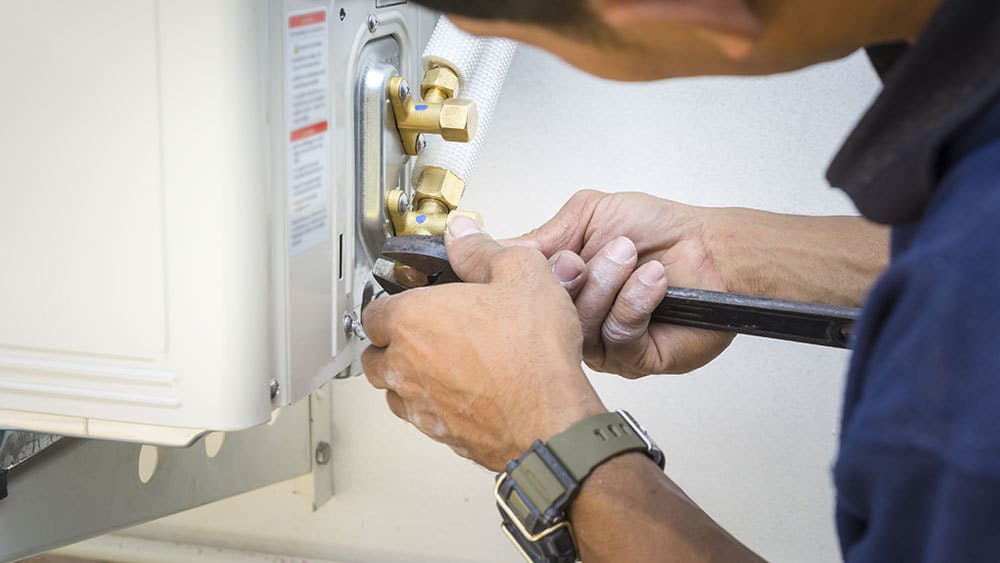
    What Happens During a professional ac tune-up

    Many homeowners wonder what technicians actually do during a professional ac tune-up.

    The answer goes far beyond simply changing a filter.

    A comprehensive inspection usually includes checking refrigerant pressures, cleaning coils when necessary, tightening electrical connections, testing capacitors, measuring airflow, inspecting condensate drainage, examining blower components, verifying thermostat operation, lubricating moving parts when applicable, and confirming overall system safety.

    These inspections provide valuable insight into your system’s condition long before noticeable performance problems appear.

    Think of it as a routine health checkup for your HVAC equipment.

    Most of the time, everything looks good.

    When something doesn’t, it’s usually much easier to address early.

    Extending Equipment Life Protects Your Investment

    Installing a new air conditioning system represents one of the largest home improvement expenses many families face.

    Naturally, homeowners want that investment to last as long as possible.

    Regular maintenance can’t stop normal aging, but it can dramatically reduce unnecessary wear caused by neglected components.

    Clean equipment experiences less resistance.

    Proper airflow reduces mechanical strain.

    Balanced refrigerant pressures protect compressors.

    Secure electrical connections minimize overheating.

    All of these factors contribute to a longer-lasting system that continues operating reliably for years beyond what neglected equipment often achieves.

    Peace of Mind Is an Overlooked Benefit

    Perhaps the greatest value of annual AC maintenance isn’t measured in dollars.

    It’s confidence.

    Knowing your air conditioner has been professionally inspected before summer begins allows you to enjoy your home instead of wondering whether the next heatwave will leave you without cooling.

    That sense of reliability becomes especially valuable for families with young children, older adults, or anyone who spends significant time at home.

    Reliable comfort isn’t something most people appreciate until it’s suddenly gone.

    A Little Attention Today Prevents Bigger Problems Tomorrow

    Air conditioners are remarkably dependable machines, but they aren’t maintenance-free. Like any hardworking equipment, they perform best when small issues are addressed before they become major repairs.

    Scheduling annual inspections, replacing filters regularly, keeping the outdoor unit clean, and responding to unusual noises or performance changes early all contribute to a healthier HVAC system.

    The reward isn’t just fewer repair bills. It’s lower energy costs, better indoor comfort, longer equipment life, and the reassurance that your cooling system will be ready when summer arrives.

    Sometimes the smartest home investments aren’t the ones you can see—they’re the ones quietly working behind the scenes, keeping everyday life comfortable without asking for much in return.


  • Why Upgrading Your Home’s Water System Is a Decision You’ll Appreciate Every Day

    Why Upgrading Your Home’s Water System Is a Decision You’ll Appreciate Every Day

    There’s something comforting about a home where everything simply works. You turn on the faucet, the water tastes fresh, the shower feels refreshing, and the dishwasher finishes its cycle without leaving cloudy spots on every glass. We rarely stop to appreciate those little moments because they’ve become part of everyday life.

    It’s funny, though—water is probably the most used resource in any home, yet it’s often the least considered. People spend weeks comparing kitchen appliances or researching flooring options, but many continue using aging water treatment equipment long after it has stopped performing at its best.

    The truth is, water quality influences far more than what you drink. It affects your plumbing, appliances, cleaning routines, and even how comfortable your home feels. Investing in the right system isn’t just another upgrade; it’s something you notice quietly every single day.

    Every Home Has Different Water Needs

    No two households have identical water.

    Even neighboring homes may experience different conditions because of plumbing materials, well depth, municipal infrastructure, local geology, or the age of underground pipes. One family may struggle with hard water minerals, while another notices chlorine taste, sediment, or iron staining.

    Because every water supply is unique, choosing treatment equipment based solely on online reviews or recommendations from friends isn’t always the best approach.

    Understanding your own water first almost always leads to better long-term results.

    Technology Has Quietly Improved

    Water treatment systems have changed dramatically over the past decade.

    Today’s modern water solutions are designed to address specific water conditions instead of offering one-size-fits-all performance. Improved filtration media, intelligent control valves, digital monitoring, and more efficient operation allow homeowners to enjoy better results with less ongoing maintenance.

    These advancements aren’t about making systems more complicated.

    They’re about making clean, dependable water easier to enjoy every day.

    The Benefits Extend Beyond Drinking Water

    When most people hear the phrase “water treatment,” they naturally think about drinking water.

    That’s certainly important, but water touches every room in the house. It flows through showers, washing machines, dishwashers, water heaters, coffee makers, refrigerators, and outdoor faucets.

    Improving water quality often means softer laundry, cleaner dishes, fewer mineral stains, easier bathroom cleaning, and appliances that continue performing efficiently for years.

    Those practical improvements usually become noticeable long before homeowners think about the technology behind them.

    Efficiency Matters More Than Ever

    As utility costs continue to rise, homeowners are paying closer attention to the performance of every major household system.

    Modern treatment equipment frequently includes energy efficient systems designed to optimize regeneration cycles, reduce unnecessary water consumption, and improve overall operating performance without sacrificing water quality.

    While every household experiences different savings, greater efficiency benefits both monthly utility bills and long-term equipment performance.

    Small improvements often create meaningful results over time.

    Testing Before Buying Is Always Worthwhile

    One mistake homeowners sometimes make is purchasing filtration equipment before understanding what’s actually in their water.

    A system designed to reduce chlorine won’t necessarily solve hard water problems. Likewise, equipment intended for sediment removal may not address iron or sulfur concerns.

    Professional water testing provides valuable insight into hardness levels, mineral content, pH, sediment, chlorine, and other characteristics unique to your household.

    Good information removes unnecessary guesswork.

    Installation Is Just as Important as Equipment

    Even the best water treatment system performs poorly if it isn’t installed correctly.

    Water pressure, plumbing configuration, household size, and daily water usage all influence how effectively a system operates. Proper sizing and setup ensure that treatment equipment delivers consistent results while minimizing maintenance concerns.

    That’s why many homeowners choose professional installation rather than attempting to configure complex systems themselves.

    Experienced technicians help ensure everything functions correctly from the beginning, giving homeowners greater confidence in their investment.

    Protecting Your Home Along the Way

    Water quality doesn’t only influence comfort.

    It also affects the lifespan of plumbing fixtures, dishwashers, washing machines, coffee makers, refrigerators, and water heaters. Excessive mineral buildup gradually reduces efficiency while increasing wear on important household equipment.

    Addressing those issues early often helps reduce maintenance costs and supports better long-term appliance performance.

    Sometimes protecting your investment is just as valuable as improving everyday convenience.

    The Little Improvements Become Everyday Habits

    Interestingly, homeowners rarely describe one dramatic change after upgrading their water treatment system.

    Instead, they mention dozens of little improvements.

    Soap rinses away more easily. Coffee tastes fresher. Towels feel softer. Shower doors stay cleaner longer, and hard water stains become far less frustrating to remove.

    These aren’t life-changing moments on their own.

    Together, though, they quietly make the home feel more comfortable every single day.

    A Better Water System Supports a Better Home

    Your home’s water system works constantly without asking for attention. Every meal, every shower, every load of laundry, and every clean dish depends on it performing well.

    Taking the time to understand your water and invest in equipment that truly matches your household’s needs is one of the most practical home improvements you can make.

    Unlike cosmetic renovations that eventually fade into the background, better water continues improving daily life every time you turn on the tap.

    At the end of the day, upgrading your water treatment system isn’t simply about cleaner water. It’s about creating a home that’s more efficient, easier to maintain, and more enjoyable to live in for years to come. Sometimes the smartest improvements aren’t the most visible—they’re the ones quietly working behind the scenes, making ordinary moments just a little bit better every day.