Category: Home Services

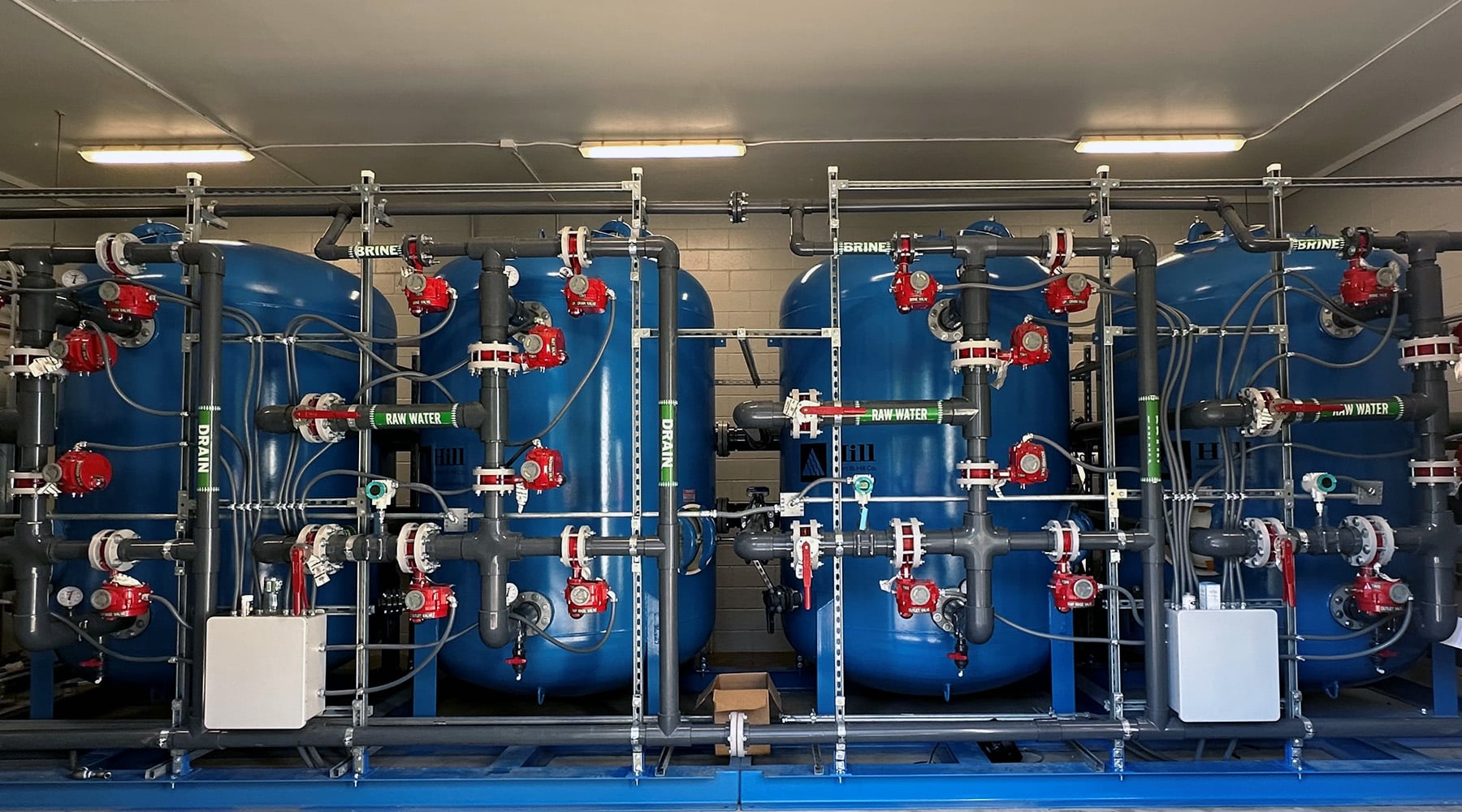
  • Why Water Quality Is One of the Most Overlooked Ingredients in a Successful Commercial Kitchen

    Why Water Quality Is One of the Most Overlooked Ingredients in a Successful Commercial Kitchen

    Every Great Kitchen Starts With Something Simple

    Ask any experienced chef what makes a great kitchen, and they’ll probably mention fresh ingredients, skilled staff, reliable equipment, and consistent processes. Water rarely makes the list.

    Yet it’s involved in nearly every task happening behind the scenes.

    From brewing coffee and making ice to washing produce, cleaning dishes, steaming vegetables, and preparing sauces, water quietly influences food quality, equipment performance, and daily efficiency. It’s so common that most businesses barely notice it until a machine stops working or customers begin commenting on strange-tasting drinks.

    The interesting part is that many kitchen problems people blame on equipment or aging plumbing often trace back to water quality. Addressing those issues early can save money, improve consistency, and make day-to-day operations far less stressful.

    Clean Water Shapes the Customer Experience

    Customers don’t usually think about the water inside their meal.

    Instead, they notice the outcome.

    Coffee has a clean, balanced taste. Ice cubes are crystal clear. Glassware sparkles under the lights. Fresh vegetables retain their natural flavor. Even soups and sauces often benefit from cleaner water because unwanted minerals or chemical tastes don’t interfere with the ingredients.

    These details seem small on their own.

    Together, they shape how customers experience a restaurant or café, even if they never consciously realize why everything feels just a little better.

    That’s one reason successful food businesses often pay close attention to water quality as part of their overall commitment to consistency.

    Equipment Depends on Better Water

    Commercial kitchen equipment works hard every single day.

    Coffee machines produce hundreds of cups. Ice machines rarely stop running. Steam ovens, dishwashers, water heaters, and beverage dispensers all rely on a steady supply of clean water.

    When minerals, sediment, or other contaminants move through these systems, problems slowly begin to develop.

    Heating elements collect scale.

    Spray nozzles clog.

    Internal valves wear more quickly.

    Energy efficiency declines.

    Eventually, repair bills become more common than anyone would like.

    Installing reliable commercial kitchen filtration helps reduce these issues before they become expensive interruptions. By supplying cleaner water to essential equipment, businesses often experience fewer breakdowns, longer equipment life, and more predictable maintenance schedules.

    It’s not glamorous, but it works.

    Consistency Matters More Than Perfection

    Restaurants thrive on consistency.

    Customers expect the same great coffee every morning. They expect beverages to taste familiar, dishes to look appealing, and ice to remain clear regardless of the season.

    Poor water quality introduces variables that chefs and kitchen staff can’t fully control.

    Mineral content may alter flavors. Sediment affects appearance. Chemical odors influence beverages. Even baking results can change depending on water composition.

    Removing those inconsistencies helps kitchen teams focus on what they do best—preparing excellent food instead of constantly adjusting recipes to compensate for changing water conditions.

    Reliable water quietly becomes another dependable ingredient.

    Hygiene Begins With Safe Water

    Food safety is one of the biggest responsibilities any commercial kitchen carries.

    While proper cleaning procedures and sanitation protocols receive plenty of attention, the quality of the water used during those processes deserves equal consideration.

    Effective commercial water sanitization supports cleaner food preparation areas, helps maintain hygiene standards, and contributes to safer daily operations. Whether water is used for washing ingredients, cleaning surfaces, or supporting kitchen equipment, maintaining appropriate water quality strengthens the entire sanitation process.

    It doesn’t replace good cleaning habits, of course.

    Instead, it complements them by ensuring the water itself supports rather than compromises hygiene efforts.

    Hard Water Can Quietly Increase Costs

    Hard water is incredibly common across many regions.

    At first glance, it may not seem like a serious concern. Water still flows, appliances continue running, and daily operations appear normal.

    But inside equipment, mineral deposits gradually begin collecting.

    Heating elements lose efficiency.

    Dishwashers require more detergent.

    Water heaters consume additional energy.

    Maintenance becomes increasingly frequent.

    These hidden costs add up month after month.

    Installing commercial water softeners helps reduce mineral buildup, allowing equipment to operate more efficiently while lowering wear on internal components. Over time, many businesses notice fewer repairs, lower utility costs, and improved equipment performance.

    The savings usually arrive quietly rather than dramatically, but they tend to continue for years.

    Better Water Helps Staff Work More Efficiently

    Kitchen staff already have enough challenges.

    Busy service periods, changing orders, inventory management, food preparation, and cleaning all demand attention throughout the day.

    Equipment failures only create additional pressure.

    When coffee machines require constant maintenance or dishwashers stop performing properly, productivity slows. Employees spend valuable time troubleshooting instead of serving customers.

    Reliable water quality removes one more obstacle from an already demanding environment.

    It may not eliminate every maintenance issue, but it significantly reduces avoidable problems caused by scale, sediment, or inconsistent water conditions.

    That allows kitchen teams to stay focused on delivering excellent service.

    Sustainability Starts With Everyday Decisions

    Many restaurants and commercial kitchens are looking for practical ways to reduce waste and improve operational efficiency.

    Water quality plays a surprisingly important role.

    Efficient equipment often uses less electricity because heating surfaces remain cleaner. Properly maintained appliances generally last longer, reducing unnecessary replacements. Better-performing dishwashers and water heaters may also consume fewer resources during daily operation.

    None of these improvements happen overnight.

    However, over months and years, they contribute to lower operating costs while supporting broader sustainability goals.

    Sometimes environmental responsibility begins with simple maintenance decisions rather than large-scale renovations.

    Every Kitchen Has Different Needs

    A neighborhood café doesn’t use water the same way as a hotel kitchen.

    A bakery has different priorities than a hospital cafeteria. Manufacturing food facilities operate differently from quick-service restaurants.

    Because every kitchen has unique demands, water treatment should reflect those differences rather than relying on generic solutions.

    Testing local water conditions and understanding operational requirements makes it easier to choose systems that solve actual problems instead of adding unnecessary complexity.

    Thoughtful planning almost always produces better long-term results.

    Final Thoughts

    Water may never receive the same attention as fresh ingredients or advanced kitchen equipment, but it quietly supports nearly every part of a commercial food operation. From improving beverage quality and protecting expensive machinery to supporting sanitation and reducing maintenance costs, better water creates benefits that ripple throughout the entire business.

    Investing in water quality isn’t simply about preventing equipment breakdowns. It’s about creating a kitchen that runs more smoothly, delivers consistent results, and provides a better experience for both employees and customers.

    In the end, the best kitchens aren’t just built on great recipes—they’re built on reliable systems working together every single day. And clean, properly treated water is one of the most important systems of all.

  • Why Strong Electrical Planning Is the Backbone of Successful Commercial Construction

    Why Strong Electrical Planning Is the Backbone of Successful Commercial Construction

    There’s something fascinating about watching a building rise from an empty piece of land. One week it’s just dirt and steel, and before long, walls are standing, windows are in place, and the entire structure begins to resemble the architect’s vision. But beneath all that visible progress lies an invisible network that makes everything work—the electrical infrastructure.

    Most people never think much about wiring unless something stops working. Flip a switch and expect the lights to come on. Plug in a laptop and assume the power is there. That’s exactly how it should be. Great electrical work stays unnoticed because it quietly does its job every single day.

    Behind that reliability is thoughtful planning, experienced professionals, and countless decisions made long before the building opens its doors. Whether it’s an office complex, retail centre, healthcare facility, warehouse, or educational campus, electrical planning plays a much bigger role than many people realise.

    Every Successful Project Starts with a Clear Plan

    Construction has enough moving parts without adding confusion to the mix. Architects, engineers, plumbers, HVAC specialists, structural teams, and electricians all have to work together while following strict timelines.

    Electrical planning begins well before anyone starts pulling cables. Load calculations, equipment locations, lighting layouts, emergency systems, communication wiring, and future expansion all need careful consideration.

    Getting these details right early avoids expensive surprises later. Moving a wall after construction has begun is frustrating enough. Relocating electrical infrastructure after ceilings are finished can become significantly more costly.

    That’s why experienced project managers spend so much time reviewing plans before construction accelerates.

    Why Early Coordination Saves Everyone Time

    One lesson construction teams learn quickly is that communication prevents expensive mistakes.

    Electricians need to know where HVAC equipment will be installed. Mechanical contractors need enough room for ductwork. Interior designers often influence outlet placement, lighting fixtures, and switch locations without even realising it.

    When everyone collaborates early, the project moves far more smoothly.

    Buildings today also contain far more technology than they did even a decade ago. Security cameras, wireless access points, charging stations, automated lighting, access control systems, and energy monitoring all compete for space inside walls and ceilings.

    Without coordination, those systems quickly become difficult to install efficiently.

    Building for Tomorrow Instead of Just Today

    A building isn’t designed for next year.

    It’s expected to perform well for decades.

    That means electrical infrastructure has to accommodate future technologies that may not even exist yet. Businesses expand. Equipment changes. Employees increase. Energy demands evolve.

    Leaving additional panel capacity, installing spare conduit pathways, and planning flexible wiring routes allows future upgrades without major reconstruction.

    This kind of forward thinking often costs very little during construction but saves thousands in renovation expenses years later.

    It’s one of those investments people rarely appreciate until they actually need it.

    Reliable commercial construction Depends on More Than Concrete and Steel

    When people picture commercial construction, they usually imagine cranes, concrete pours, steel framing, or glass installations. Those elements certainly matter, but they’re only part of the story.

    The finished building also has to function efficiently every single day.

    Lighting needs to support productivity without wasting energy. Emergency systems must respond instantly. Backup power has to activate when needed. Data networks require dependable electrical infrastructure. Heating and cooling equipment depends on stable power delivery.

    Every one of these systems relies on careful electrical planning hidden behind finished walls.

    If the electrical infrastructure isn’t designed properly from the beginning, every other building system eventually feels the impact.

    The Experience Good electrical contractors Bring to a Project

    Anyone can install wiring.

    Designing an efficient electrical system that remains dependable for decades requires considerably more experience.

    Professional electrical contractors understand local building regulations, evolving electrical codes, energy efficiency standards, equipment compatibility, and practical installation methods developed through years of field experience.

    Perhaps even more importantly, experienced electricians know how to identify potential issues before they become expensive delays.

    They recognise where future maintenance access will be needed. They understand which equipment requires dedicated circuits. They notice design conflicts that might otherwise remain hidden until construction is already underway.

    Those observations rarely appear on invoices, yet they often save projects considerable time and money.

    Energy Efficiency Begins Long Before Occupancy

    Many people associate energy savings with smart thermostats or LED light bulbs.

    Those certainly help, but true efficiency starts much earlier.

    Circuit balancing, transformer sizing, lighting design, occupancy sensors, daylight integration, power quality, and equipment selection all contribute to lower operating costs over the life of the building.

    Owners sometimes focus heavily on reducing upfront construction expenses. That’s understandable, especially when budgets are tight.

    However, operational costs continue every month for decades.

    Making smarter electrical decisions during construction often produces savings that far exceed the original investment.

    Adapting Electrical Design to Unique project needs

    No two buildings are exactly alike, even when they appear similar from the outside.

    A medical facility has completely different electrical priorities than a manufacturing plant. A restaurant demands specialised kitchen power. Office buildings require reliable technology infrastructure. Warehouses focus on equipment flexibility and lighting efficiency.

    Understanding these unique project needs allows electrical systems to support the building’s actual purpose instead of forcing occupants to work around unnecessary limitations.

    That’s where collaboration becomes incredibly valuable.

    Listening to owners, architects, engineers, and facility managers creates solutions tailored to the people who will ultimately use the space every day.

    Small Decisions Often Have the Biggest Impact

    Construction is full of details that seem insignificant during installation.

    An extra outlet in a conference room.

    A larger electrical panel.

    Better pathway planning.

    Dedicated circuits for future equipment.

    Emergency lighting positioned more effectively.

    Individually, each decision feels minor.

    Collectively, they create a building that’s easier to operate, less expensive to maintain, and better prepared for changing business demands.

    It’s often these seemingly ordinary choices that separate average buildings from exceptional ones.

    Building Confidence That Lasts

    When construction is finished, most people notice the architecture first. They admire the finishes, the open spaces, and the polished appearance.

    What they don’t see is the electrical infrastructure quietly supporting everything around them.

    Reliable power allows businesses to operate without interruption. Safe installations protect employees and visitors. Efficient systems reduce operating costs year after year. Flexible electrical layouts simplify future renovations as organisations grow and technology changes.

    In many ways, that’s the real measure of quality.

    Great electrical work isn’t about drawing attention to itself. It’s about creating a building that performs consistently, adapts gracefully, and continues serving its purpose long after the construction crews have packed up and moved on. When careful planning, skilled craftsmanship, and thoughtful design come together from the very beginning, the result is a commercial space built not only to impress—but to last.

  • What Your Home’s Plumbing May Be Trying to Tell You

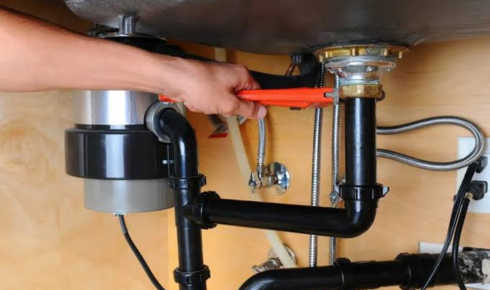
    What Your Home’s Plumbing May Be Trying to Tell You

    Small Plumbing Clues Are Easy to Miss

    Most plumbing problems do not begin with a burst pipe or water pouring through the ceiling. They usually start quietly. A faucet sputters for a few seconds. A drain smells odd. The shower pressure changes slightly. Or the water looks a little different one morning, and you tell yourself it is probably nothing.

    Sometimes it is nothing. But sometimes, those small clues are the first signs that your plumbing system needs attention.

    A home’s plumbing works behind walls, under floors, and beneath sinks, so it is easy to forget about it until something goes wrong. That hidden nature is exactly why early warning signs matter. Paying attention to them can help homeowners avoid expensive damage, emergency repairs, and unnecessary stress.

    When Water Color Changes

    One of the most obvious warning signs is discolored water. Brown, yellow, reddish, or cloudy water can point to rust, sediment, pipe corrosion, or disturbance in the water line.

    If the color only appears briefly after local utility work, it may clear up on its own. But if it happens repeatedly, especially from multiple fixtures, it should not be ignored. Older pipes may be breaking down internally, allowing rust or debris to enter the water supply.

    Water that looks unusual can also affect appliances, fixtures, laundry, and cooking. Even if it does not smell bad, it can still leave stains or make homeowners uncomfortable using it.

    A professional plumber can help determine whether the issue is coming from the municipal supply, the water heater, or the home’s internal piping.

    Why Plumbing Design Matters More Than People Think

    Most homeowners never see their home’s plumbing layout, but it plays a major role in water pressure, drainage, fixture performance, and future repair access.

    A poorly planned layout can create problems that show up slowly over time. Long pipe runs, awkward turns, undersized lines, or outdated connections may affect how water moves through the home. In older properties, previous repairs or renovations may have changed the original system in ways that were not ideal.

    This matters even more during remodels. Moving a bathroom, adding a laundry room, or upgrading a kitchen should never be treated as just a design project. Plumbing needs to be planned carefully so the system works efficiently and safely.

    Good layout is not something homeowners notice when it is done right. But when it is wrong, the problems are hard to ignore.

    The Problems You Cannot See

    Some of the most expensive plumbing issues happen out of sight. A slow leak behind drywall. Corrosion inside old pipes. A drain line beginning to fail under the slab. These problems may stay hidden for months before signs appear.

    That is why hidden plumbing problems can be so frustrating. By the time homeowners notice stains, odors, mould, warped flooring, or rising water bills, the damage may already be more serious than expected.

    The good news is that modern plumbing inspections can identify many concerns before they become disasters. Pressure testing, leak detection tools, drain cameras, and moisture meters help plumbers locate problems without unnecessary guesswork.

    For homeowners, this means fewer surprises and better decisions.

    How Older Pipes Affect Daily Life

    Pipes age slowly, and that can make problems feel normal. Water pressure drops little by little. A faucet takes longer to run clear. Drains become slower. Small leaks start showing up in different places.

    Many older homes still have piping materials that may no longer perform well. Galvanized steel can corrode from the inside. Older copper may develop pinhole leaks. Outdated connections can weaken over time.

    These issues do not always mean the entire plumbing system needs replacement immediately. Sometimes targeted repairs are enough. But when problems keep returning, it may be time to consider a more complete inspection or repiping plan.

    A home should not require constant plumbing patches just to function properly.

    Warning Signs Homeowners Should Watch For

    Plumbing systems usually provide clues before major failure. Some signs are obvious, while others are easy to dismiss.

    Low water pressure throughout the home can suggest buildup, leaks, or aging supply lines. Gurgling drains may point to venting issues or partial blockages. Damp spots on walls, ceilings, or floors can indicate leaks. Unexplained increases in the water bill may mean water is escaping somewhere unseen.

    A musty smell near cabinets or walls can also be a warning sign. Moisture attracts mould and can damage building materials long before water becomes visible.

    The earlier these symptoms are checked, the easier they usually are to fix.

    Why DIY Fixes Have Limits

    There is nothing wrong with handling small plumbing tasks, like replacing a showerhead or clearing a simple drain clog. Many homeowners are comfortable with basic maintenance.

    But larger plumbing issues require experience. A temporary patch may stop a leak for a while but fail to address the reason it happened. Chemical drain cleaners may clear some blockage but can also damage pipes if used repeatedly.

    Plumbing is connected. One issue often affects another part of the system. That is why professional diagnosis matters, especially when symptoms keep coming back.

    A good plumber does not just fix the visible problem. They look for the cause.

    Planning Ahead Saves Money

    Emergency plumbing repairs are rarely convenient. They happen late at night, before guests arrive, during busy workweeks, or just after a homeowner thought everything was fine.

    Preventive inspections and timely repairs may not sound exciting, but they can save a lot of money. Finding a small leak early is far cheaper than repairing damaged flooring and drywall. Replacing old pipe sections before failure is less stressful than dealing with a burst line.

    Homeowners planning renovations should also review plumbing before work begins. It is much easier to update pipes while walls are open than after new cabinets, tile, or flooring are installed.

    A More Reliable Home Starts Behind the Walls

    Plumbing is not the most visible part of a home, but it is one of the most important. It supports cooking, cleaning, bathing, laundry, heating, and daily comfort.

    When water looks unusual, pressure changes, drains slow down, or moisture appears where it should not, the system may be asking for attention. Listening early can prevent bigger trouble later.

    A well-maintained plumbing system gives homeowners something valuable: confidence. You turn on the tap, take a shower, run the dishwasher, and simply trust that everything will work as it should.

    And really, that quiet reliability is what good plumbing is all about.

  • Why Water Purity Matters More Than Most People Realize

    Why Water Purity Matters More Than Most People Realize

    Water is one of those things we rarely think deeply about until something goes wrong. Maybe the tap water starts tasting strange. Maybe lab equipment begins showing inconsistent readings. Maybe appliances develop mineral buildup far sooner than expected. Whatever the trigger, people eventually discover that “water” isn’t as simple as it sounds.

    Different types of water serve very different purposes.

    For everyday drinking, most households focus on filtration and taste. But in scientific environments, manufacturing facilities, medical applications, and even certain home systems, purity standards become much more precise. Tiny mineral traces or dissolved particles that seem insignificant in ordinary tap water can actually interfere with equipment performance, chemical reactions, and long-term reliability.

    That’s where advanced purification methods enter the conversation.

    Not All Water Is Created Equal

    Most municipal water supplies are treated to meet public safety standards, which is obviously important. But safe drinking water still contains naturally occurring minerals, salts, and dissolved ions. For ordinary household use, that usually isn’t a problem at all.

    In fact, some minerals are beneficial.

    But certain industries and technical applications require water with extremely low levels of dissolved contaminants. Pharmaceutical production, laboratory testing, automotive manufacturing, electronics fabrication, and medical sterilization systems often depend on highly purified water for consistent performance.

    That’s why specialized deionization systems have become essential in so many professional environments.

    Unlike standard filtration alone, deionization removes charged ions from water using specially designed resin processes. Minerals such as calcium, sodium, chloride, and sulfate are exchanged and removed, leaving behind highly purified water suitable for sensitive applications.

    It sounds complicated at first, honestly, but the concept becomes easier once you realize how many industries rely on precision. Even tiny impurities can create expensive problems when accuracy matters.

    Why Purified Water Matters Beyond Laboratories

    Most people associate ultra-pure water with science labs, but the reality is broader than that.

    Car enthusiasts often use purified water for detailing because mineral-free water reduces spotting on paint and glass. Aquariums sometimes rely on highly treated water to maintain delicate environments. Medical equipment and steam systems frequently perform better when mineral buildup is minimized.

    Even homeowners with advanced filtration setups occasionally explore purification technologies for specific needs inside the home.

    That’s because deionized water behaves differently from standard tap water. Since many dissolved minerals and ions have been removed, it leaves behind fewer deposits and residues during use.

    For example, when mineral-heavy water dries on a surface, it often leaves visible spots or scale behind. Deionized water reduces that issue significantly because there are fewer dissolved solids remaining after evaporation.

    Small detail maybe, but incredibly valuable in environments where cleanliness and precision matter.

    The Difference Between Filtration and Purification

    One thing that confuses people fairly often is the difference between filtration and full purification.

    Basic filters improve taste and reduce common impurities. Carbon filters remove chlorine and odors. Reverse osmosis systems reduce many dissolved contaminants. Water softeners address mineral-heavy hard water.

    But comprehensive water purification systems go several steps further depending on their design.

    Some combine sediment filtration, activated carbon, reverse osmosis membranes, UV sterilization, and deionization into layered treatment processes. The goal isn’t just better-tasting water — it’s dramatically reducing contaminants, particles, minerals, and microorganisms for highly controlled water quality.

    That level of purification matters enormously in industries where precision affects safety, consistency, or manufacturing outcomes.

    And honestly, once people understand how much untreated water can impact machinery and sensitive systems, the investment in advanced purification starts making a lot more sense.

    Water Quality Quietly Affects Equipment Lifespan

    This is one of the least glamorous but most practical reasons purification systems matter.

    Mineral deposits build up slowly inside equipment over time. Boilers, cooling systems, steam generators, lab instruments, and manufacturing tools all experience wear when untreated water introduces scaling or contamination into the system.

    The frustrating part is that these problems rarely appear overnight. Efficiency gradually declines. Maintenance becomes more frequent. Components fail earlier than expected. Costs quietly climb month after month without anyone immediately blaming the water itself.

    Purified water helps reduce those risks significantly.

    Less buildup means smoother operation, fewer interruptions, and often longer equipment lifespan overall. In industries where downtime becomes extremely expensive very quickly, consistent water quality isn’t just a convenience — it’s operational protection.

    Homeowners Are Becoming More Curious About Water Too

    Interestingly, awareness around water quality isn’t limited to industrial settings anymore.

    Homeowners are asking more questions than ever before about filtration, contaminants, mineral content, and overall water safety. While most households don’t require laboratory-grade purification, the broader interest in water treatment has definitely grown.

    Part of that comes from increased health awareness. Part comes from aging infrastructure concerns in certain regions. And honestly, some of it simply comes from experience. Once people notice how different properly filtered water tastes and feels, they start paying more attention.

    That curiosity naturally leads some homeowners to explore more advanced treatment technologies, especially in homes with hard water or specialized equipment.

    Clean Water Supports More Than Health

    People often frame water quality discussions entirely around drinking water, but the impact goes much deeper than that.

    Water influences cleaning, appliance performance, plumbing longevity, manufacturing precision, product consistency, and even energy efficiency in certain systems. Poor-quality water quietly creates friction across countless environments without always being obvious immediately.

    That’s why purification technologies continue evolving across both residential and commercial markets.

    The goal isn’t perfection for the sake of perfection. It’s reliability.

    Whether someone is running a medical lab, maintaining industrial equipment, detailing a vehicle, or simply wanting better water at home, consistent purification removes uncertainty from the equation.

    Sometimes the Best Systems Work Quietly in the Background

    What’s interesting about water treatment is that when it works properly, people barely think about it.

    Equipment runs smoothly. Water tastes clean. Surfaces stay spotless. Systems perform consistently day after day without much attention. And honestly, that’s probably the ideal outcome.

    Because water touches nearly every part of modern life — often invisibly.

    Improving its quality may not feel flashy or dramatic, but over time, it quietly supports healthier routines, more reliable systems, and fewer headaches overall.

  • The Quiet Work Behind Comfortable Living: Why Your HVAC System Deserves More Attention

    The Quiet Work Behind Comfortable Living: Why Your HVAC System Deserves More Attention

    There’s a certain kind of comfort we all chase without really thinking about it. You walk into your home after a long day, drop your bag, and instantly feel at ease. The air isn’t stuffy, the temperature doesn’t fight you, and nothing feels out of place. It’s subtle, almost invisible—but it matters.

    And yet, most of us rarely stop to consider what keeps that balance in check. HVAC systems aren’t exactly dinner table conversation. They hum quietly in the background, doing their job without asking for attention… until, of course, they don’t.

    The Small Habits That Keep Everything Running Smoothly

    It’s funny how we treat different parts of our home. We’ll clean our floors, wipe down surfaces, maybe even rearrange furniture just for a change of mood. But when it comes to the systems that actually make our space livable, we tend to take a “set it and forget it” approach.

    That’s where air handler maintenance comes in, quietly playing its part behind the scenes. The air handler is essentially the heart of your HVAC system, pushing conditioned air through your home. If it’s not working properly, everything else feels off.

    And maintenance doesn’t have to be complicated. It can be as simple as checking filters, ensuring there’s no dust buildup, and scheduling occasional inspections. These small steps help prevent bigger problems, the kind that tend to show up at the worst possible time.

    Think of it like brushing your teeth. It’s not exciting, but skipping it regularly? That leads to trouble you’d rather avoid.

    When Comfort Starts to Slip Without Warning

    Sometimes, the signs are easy to miss. Maybe one room feels warmer than the rest. Or the airflow isn’t as strong as it used to be. You might hear a faint rattle or notice that your system is running longer than usual.

    It’s tempting to ignore these things. After all, the system is still working… technically. But this is usually the point where issues begin to grow.

    That’s where hvac performance support becomes more than just a service—it becomes a way to restore balance before things spiral. A good technician doesn’t just fix what’s broken; they look at how your entire system is functioning.

    Are the ducts leaking air? Is the airflow uneven? Is the system overworking itself? These are the kinds of questions that lead to real solutions, not just temporary fixes.

    And when performance improves, you feel it almost immediately. The air moves better. The temperature stabilizes. Your home starts to feel like itself again.

    Understanding Problems Before They Become Emergencies

    Here’s the thing about HVAC systems: they rarely fail out of nowhere. There are usually signs—small clues that something isn’t quite right.

    The challenge is recognizing those clues before they turn into full-blown problems.

    That’s where system troubleshooting plays a crucial role. It’s less about reacting and more about understanding. A trained eye can pick up on patterns that most homeowners wouldn’t notice—like inconsistent cycling, pressure imbalances, or subtle mechanical wear.

    And once you understand what’s happening, fixing it becomes a lot more straightforward.

    It’s a bit like diagnosing a car issue. You could wait until it breaks down completely, or you could address that strange noise early on and save yourself the headache later.

    Why Airflow and Balance Matter More Than You Think

    Most people assume that if their HVAC system turns on, it’s doing its job. But operation doesn’t always equal performance.

    Airflow is a huge part of the equation. If air isn’t moving efficiently through your home, you’ll end up with uneven temperatures, wasted energy, and a system that works harder than it should.

    Sometimes the issue lies in the ductwork. Other times, it’s a matter of blocked vents or improper system sizing. And occasionally, it’s just years of gradual wear catching up.

    When airflow is balanced properly, everything changes. Rooms feel more consistent. The system doesn’t have to strain. Even the air itself feels fresher.

    It’s not a dramatic transformation, but it’s noticeable in a quiet, satisfying way.

    The Cost of Waiting Too Long

    We’ve all been there—putting off something we know we should handle. Maybe it’s a small repair, maybe it’s routine maintenance. It doesn’t feel urgent, so it gets pushed to the bottom of the list.

    But HVAC systems have a way of reminding you when they’ve been neglected.

    Breakdowns rarely happen at convenient times. It’s always during a heatwave, or right when winter decides to get serious. And suddenly, what could have been a minor fix turns into a bigger, more expensive problem.

    The truth is, a little attention now can save a lot of stress later. It’s not about being overly cautious—it’s about being practical.

    Choosing the Right Help Feels Different

    Not all service experiences are created equal. Some technicians focus on quick fixes, while others take the time to understand what’s really going on.

    The difference shows up in the results.

    When someone approaches your HVAC system with care and curiosity, they’re more likely to find solutions that last. They’ll explain things in a way that makes sense, without overwhelming you with technical jargon.

    And that kind of experience sticks with you. It builds trust, and it makes future decisions a little easier.

    A Final Thought: Comfort Is Built Over Time

    At the end of the day, comfort isn’t something you install once and forget about. It’s something you maintain, adjust, and protect over time.

    Your HVAC system plays a bigger role in your daily life than you might realize. It shapes how your home feels, how you sleep, even how you go about your day.

    And when it’s working well, you don’t notice it. You just feel comfortable.

    Maybe that’s the goal—not to think about it at all. Because everything is running quietly in the background, exactly as it should.

  • When Your Water Smells Off: A Closer Look at What Might Be Going On

    When Your Water Smells Off: A Closer Look at What Might Be Going On

    It usually starts with a pause.

    You turn on the tap, fill a glass, and just before you take a sip—you notice something. A faint odor, maybe like sulfur or chlorine, or something you can’t quite describe. Not strong enough to panic, but enough to make you hesitate.

    And that hesitation? It’s worth paying attention to.

    Because water, when it’s right, doesn’t ask questions. When it does, it’s usually trying to tell you something.

    That Strange Smell Isn’t Random

    Let’s talk about odor first, because it’s often the most noticeable issue.

    Water can develop smells for a variety of reasons—natural minerals, bacteria in pipes, or even treatment chemicals used to disinfect municipal supplies. Sometimes, it’s something as simple as stagnant water in plumbing. Other times, it’s more persistent.

    Understanding smelly water causes isn’t about jumping to conclusions—it’s about narrowing things down. A rotten egg smell, for instance, often points to hydrogen sulfide. A bleach-like scent might be linked to chlorine.

    The key is recognizing that smells don’t appear out of nowhere. There’s always a reason, even if it takes a little digging to find it.

    The Signs You Might Be Overlooking

    Odor is just one piece of the puzzle.

    Water issues tend to show up in subtle ways, and not all of them are easy to spot. You might notice changes in taste, slight discoloration, or even how your skin feels after a shower.

    These are what you might call contaminated water signs—not necessarily dramatic, but consistent enough to raise questions.

    Maybe your water has a metallic aftertaste. Maybe your laundry doesn’t feel as fresh as it should. Or your glassware comes out of the dishwasher looking cloudy, no matter how much detergent you use.

    Individually, these things don’t seem like a big deal. But together, they start to form a pattern.

    When Concerns Go Beyond the Surface

    Some water issues are more about comfort—taste, smell, clarity.

    Others go a bit deeper.

    Take arsenic concerns, for example. Unlike chlorine or sulfur, arsenic doesn’t have a taste or smell you can easily detect. It’s something that requires proper testing to identify.

    And while not every water source contains arsenic, it’s one of those things that people are becoming more aware of—especially in areas where groundwater is the primary source.

    This is where understanding your water becomes more than just a matter of preference. It becomes a matter of awareness.

    Why Guessing Isn’t Enough

    It’s tempting to rely on assumptions.

    If your water smells like chlorine, you might assume that’s the only issue. If it tastes a bit metallic, you might think it’s just your pipes.

    But water quality is rarely that simple.

    Multiple factors can be at play at the same time, and without proper testing, it’s easy to miss the bigger picture.

    That’s why taking the time to understand your water—through testing or professional assessment—can make a real difference.

    It turns uncertainty into clarity.

    The Everyday Impact You Don’t Always Notice

    Water touches almost every part of your daily life.

    You drink it, cook with it, shower in it, clean with it. So when something is off, even slightly, it can affect more than you realize.

    Your morning coffee might taste different. Your skin might feel drier. Your appliances might not perform as efficiently.

    These aren’t major disruptions, but they’re noticeable.

    And over time, they can become frustrating.

    Small Changes That Add Up

    What’s interesting about improving water quality is how gradual the benefits feel.

    There’s no single moment where everything suddenly becomes perfect. Instead, it’s a series of small improvements.

    Your water tastes cleaner. Your shower feels more refreshing. Your dishes come out looking better.

    And slowly, those small changes become your new normal.

    It’s not dramatic—but it’s meaningful.

    Finding the Right Approach

    Once you’ve identified what’s affecting your water, the next step is figuring out what to do about it.

    Different issues require different solutions. Filtration systems, softeners, and specialized treatments all serve different purposes.

    The important thing is not to rush.

    Take time to understand your options. Consider what matters most to you—whether it’s taste, safety, or overall comfort.

    Because the goal isn’t just to fix a problem. It’s to improve your experience with water as a whole.

    A Bit of Curiosity Goes a Long Way

    If your water smells unusual, tastes different, or just doesn’t feel quite right, it’s okay to be curious.

    You don’t need to jump to conclusions or assume the worst.

    But asking questions—about what you’re noticing and why it might be happening—is a good place to start.

    Sometimes, the answer is simple. Other times, it requires a bit more investigation.

    Either way, it’s worth exploring.

    Final Thoughts

    Water is one of those things we rely on every day without thinking much about it.

    Until something changes.

    When it does, it’s easy to ignore the signs or assume they’re not important. But those small changes are often the first clues that something isn’t quite right.

    If your water smells off or feels different, trust that instinct.

    Take a closer look. Learn what you can.

    Because understanding your water isn’t just about solving a problem—it’s about making sure something so essential continues to work the way it should.

    Quietly, reliably, and without hesitation.

  • Clean Water, Real Solutions: Why Smarter Water Treatment Matters More Than Ever

    Clean Water, Real Solutions: Why Smarter Water Treatment Matters More Than Ever

    Water has always had a quiet kind of power. It flows through every part of our lives—our kitchens, our showers, our farms, our industries. Yet most of us rarely stop to think about the systems working behind the scenes to make that water safe. Turn the tap and it’s simply there. Reliable. Clear. Ordinary.

    But the truth is, clean water doesn’t just happen. It’s the result of science, infrastructure, and a lot of thoughtful planning.

    Over the last decade, the challenges around water quality have become more complicated. Aging infrastructure, population growth, and environmental stress are all putting pressure on traditional treatment methods. That’s why many municipalities, businesses, and even residential communities are now turning toward advanced water treatment systems that go beyond the basics.

    And honestly, it’s not just about cleaner water anymore. It’s about smarter water.

    The Growing Complexity of Water Quality

    If you look back fifty years, water treatment was relatively straightforward. Remove sediments, disinfect pathogens, maybe filter out some minerals. Job done.

    Today? It’s not so simple.

    Modern water sources can contain trace pharmaceuticals, industrial chemicals, agricultural runoff, heavy metals, and microplastics. These contaminants are often invisible, and in many cases, traditional treatment technologies weren’t designed to deal with them.

    That’s where innovation steps in.

    Membrane filtration, UV disinfection, advanced oxidation processes, and smart monitoring technologies are transforming how water is purified. These methods don’t just treat water—they analyze it, adapt to it, and continuously improve performance.

    It’s a little like upgrading from a flip phone to a smartphone. The function is similar, but the capability is worlds apart.

    Technology That Thinks Ahead

    One of the most interesting things happening in water treatment today is the integration of data and automation.

    Sensors now monitor water quality in real time. Systems can adjust chemical dosing automatically. Remote monitoring allows operators to detect potential issues before they become serious problems.

    Instead of reacting to contamination after it appears, modern systems predict and prevent it.

    That shift—from reactive to proactive—is huge.

    And it’s not just about safety. Smart treatment systems also help conserve energy and reduce waste. Many facilities report significant cost savings simply because the technology allows them to optimize operations in ways that weren’t possible before.

    In other words, cleaner water and better efficiency can actually go hand in hand.

    Why One-Size-Fits-All No Longer Works

    Here’s the thing about water: it’s different everywhere.

    The mineral content in Arizona looks nothing like the water profile in coastal Florida. Agricultural regions may struggle with nitrates, while industrial zones might face chemical contamination. Even neighboring towns can have entirely different water chemistry.

    That’s why the idea of standardized treatment is slowly fading.

    Instead, engineers and water specialists are increasingly designing customized solutions tailored to the exact conditions of a water source. These solutions take into account local contaminants, infrastructure limitations, population demand, and even climate patterns.

    It’s a more thoughtful approach, really.

    Rather than forcing water to fit the system, the system is designed to fit the water.

    And when you think about it, that just makes sense.

    The Role of Communities in Water Management

    While technology plays a major role in water treatment, community involvement remains just as important.

    Local governments, water utilities, and residents all share responsibility for maintaining water quality. Infrastructure upgrades, conservation initiatives, and educational programs often work best when communities actively participate in them.

    That’s where community water services come into the picture.

    These programs often focus on improving access, maintaining infrastructure, and educating residents about responsible water use. They may include well water testing, filtration support for rural households, or municipal partnerships designed to modernize aging treatment plants.

    Sometimes the biggest improvements come not from massive technological leaps, but from steady cooperation between local stakeholders.

    Clean water, after all, is a shared resource.

    Sustainability and the Future of Water Treatment

    Another major shift in the industry involves sustainability. Traditional treatment processes can be energy-intensive, and waste disposal has always been a concern.

    Newer systems aim to minimize both.

    Many facilities are experimenting with energy-efficient filtration, water reuse technologies, and waste recovery processes. Some plants even convert treatment byproducts into usable resources like fertilizer or renewable energy.

    It’s a fascinating evolution.

    Instead of seeing wastewater as a problem, engineers increasingly view it as a resource waiting to be recovered.

    This mindset—treating water as part of a circular system rather than a disposable one—may ultimately reshape how cities manage water in the decades ahead.

    Why Reliable Water Systems Matter More Than Ever

    It’s easy to overlook water infrastructure when everything works properly. But when systems fail—whether through contamination, drought, or outdated technology—the consequences become immediately clear.

    Safe water supports public health, economic development, agriculture, and daily life. Without it, communities struggle to grow and industries cannot function efficiently.

    That’s why investment in smarter treatment technologies continues to rise across the world. Governments, private companies, and local utilities are recognizing that water security is not just an environmental concern; it’s an economic one too.

    In a way, water treatment is like the foundation of a house. Most people never see it, but everything depends on it.

    A Future Built on Better Water

    If there’s one lesson the modern water industry keeps teaching us, it’s this: adaptability matters.

    Water challenges will keep evolving—new contaminants, changing climates, growing populations. Static systems simply won’t keep up.

    But flexible, intelligent treatment approaches? Those stand a chance.

    By combining technology, local knowledge, and responsible planning, communities can build water systems that are resilient enough to handle the future.

    And that future, ideally, looks something like this: clean water flowing freely, infrastructure working quietly in the background, and people confident that the most essential resource on Earth is being managed with care.

    Simple, perhaps. But incredibly important.

  • Why Your Water Might Be Working Against You — and How Simple Treatment Can Change Everything

    Why Your Water Might Be Working Against You — and How Simple Treatment Can Change Everything

    There’s a quiet moment that catches many homeowners off guard. You run your hand across a freshly washed glass and feel a faint gritty film. Or you notice tiny particles swirling in a clear pitcher when sunlight hits just right. Sometimes it’s more subtle — soap that refuses to lather properly, or appliances that seem to age faster than expected.

    Individually, these issues feel minor. Easy to ignore. But together, they often point to one underlying factor: untreated or poorly balanced water.

    Most of us assume water quality only matters for drinking. In reality, it shapes nearly every aspect of daily living — from cleaning efficiency to plumbing longevity to personal comfort.

    And once homeowners begin to address water quality, they often discover just how much smoother life can feel.

    The Journey Water Takes Before Reaching Your Tap

    Water doesn’t travel in a straight line from a treatment facility to your home. It moves through a complex network of pipes, storage systems, and infrastructure that may be decades old.

    During this journey, it can pick up sediments, minerals, and trace contaminants.

    Even when municipal water meets safety standards, these additional elements can affect clarity, taste, and how water interacts with household systems.

    That’s why many homeowners choose to refine their water at the point of entry — not because the water is unsafe, but because it can be improved.

    Why Removing Physical Particles Matters

    One of the most common water issues is the presence of suspended particles such as sand, rust, and debris.

    These particles are often invisible to the naked eye, yet they can accumulate inside plumbing systems and appliances over time.

    Effective sediment removal helps capture these materials before they circulate through the home.

    By filtering out these particles early, homeowners can protect pipes, improve water clarity, and reduce wear on fixtures and appliances.

    It’s a foundational step in creating balanced water conditions.

    The Hidden Cost of Mineral Deposits

    Beyond physical particles, dissolved minerals pose another challenge.

    Calcium and magnesium — the primary components of hard water — can gradually form scale deposits when heated or concentrated.

    These deposits accumulate inside water heaters, dishwashers, and plumbing systems, restricting flow and reducing efficiency.

    Solutions designed for scale build-up prevention address this issue by treating water before mineral deposits can form.

    Over time, this preventive approach helps maintain consistent water pressure and extend appliance lifespan.

    For homeowners, it means fewer maintenance headaches and lower repair costs.

    How Water Quality Affects Everyday Comfort

    When water is properly balanced, its impact becomes noticeable in daily routines.

    Cleaning tasks become easier because soap dissolves more effectively. Laundry feels softer and retains color longer. Glassware emerges from dishwashers free of stubborn spots.

    Personal care routines often improve as well. Many people notice smoother skin and more manageable hair after addressing water quality issues.

    These changes represent the real soft water benefits that transform everyday living.

    They aren’t dramatic — but they’re deeply felt over time.

    Protecting Plumbing and Appliances

    Water treatment doesn’t just improve comfort — it also protects household infrastructure.

    Sediments and mineral deposits can gradually damage pipes, clog valves, and reduce appliance efficiency.

    By filtering and conditioning water before it circulates through the home, treatment systems help maintain optimal plumbing performance.

    This preventive protection often results in fewer repairs and longer appliance lifespan.

    Over time, homeowners frequently find that the financial savings alone justify the investment.

    The Environmental and Efficiency Benefits

    Improved water quality also contributes to sustainability.

    When softened and filtered water interacts more effectively with cleaning products, households can use smaller amounts of detergent and soap.

    This reduces chemical runoff and packaging waste.

    Additionally, appliances operating without scale buildup consume less energy, further lowering environmental impact and utility costs.

    These combined benefits make water treatment a practical choice for both efficiency and environmental responsibility.

    The Emotional Value of Reliable Water

    There’s also a psychological dimension to water quality that often goes unnoticed.

    When homeowners trust their water supply, they feel more comfortable using it freely — for drinking, cooking, and everyday tasks.

    This confidence eliminates background concerns about clarity, taste, or hidden contaminants.

    Over time, this sense of reliability becomes part of what makes a home feel secure and well-maintained.

    Small Changes That Deliver Long-Term Results

    Improving water quality doesn’t require major lifestyle adjustments.

    Many homeowners begin with targeted treatment solutions that integrate seamlessly with existing plumbing systems.

    Once installed, these systems operate quietly in the background, delivering consistent benefits without demanding constant attention.

    Over time, the improvements in efficiency, comfort, and maintenance costs become increasingly noticeable.

    A Home That Supports Everyday Living

    At its core, a home should do more than provide shelter. It should actively support daily routines and enhance quality of life.

    Clean, balanced water plays a fundamental role in achieving this goal.

    By investing in effective filtration and conditioning solutions, homeowners create living spaces that feel smoother, more reliable, and easier to manage.

    The Quiet Transformation of Better Water

    Perhaps the most remarkable aspect of modern water treatment is how unobtrusive it becomes once in place.

    You don’t think about it every day. You simply notice that everything works more smoothly.

    And in the end, that quiet reliability is what makes it so valuable.

    Because when your water finally looks clear, flows efficiently, and supports your home’s systems, it doesn’t just improve what comes out of your tap — it transforms everyday living, making routines simpler, more efficient, and far more comfortable over time.