
Key Points
There’s something fascinating about watching a building rise from an empty piece of land. One week it’s just dirt and steel, and before long, walls are standing, windows are in place, and the entire structure begins to resemble the architect’s vision. But beneath all that visible progress lies an invisible network that makes everything work—the…
There’s something fascinating about watching a building rise from an empty piece of land. One week it’s just dirt and steel, and before long, walls are standing, windows are in place, and the entire structure begins to resemble the architect’s vision. But beneath all that visible progress lies an invisible network that makes everything work—the electrical infrastructure.
Most people never think much about wiring unless something stops working. Flip a switch and expect the lights to come on. Plug in a laptop and assume the power is there. That’s exactly how it should be. Great electrical work stays unnoticed because it quietly does its job every single day.
Behind that reliability is thoughtful planning, experienced professionals, and countless decisions made long before the building opens its doors. Whether it’s an office complex, retail centre, healthcare facility, warehouse, or educational campus, electrical planning plays a much bigger role than many people realise.
Every Successful Project Starts with a Clear Plan
Construction has enough moving parts without adding confusion to the mix. Architects, engineers, plumbers, HVAC specialists, structural teams, and electricians all have to work together while following strict timelines.
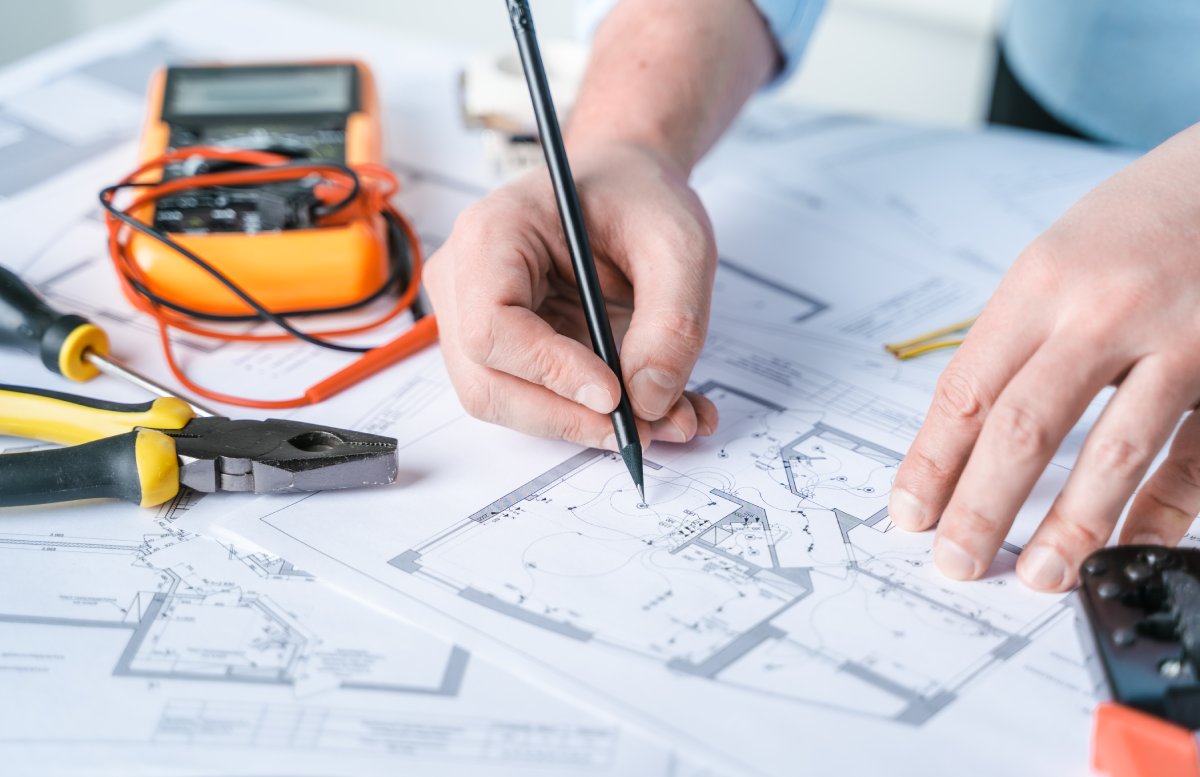
Electrical planning begins well before anyone starts pulling cables. Load calculations, equipment locations, lighting layouts, emergency systems, communication wiring, and future expansion all need careful consideration.
Getting these details right early avoids expensive surprises later. Moving a wall after construction has begun is frustrating enough. Relocating electrical infrastructure after ceilings are finished can become significantly more costly.
That’s why experienced project managers spend so much time reviewing plans before construction accelerates.
Why Early Coordination Saves Everyone Time
One lesson construction teams learn quickly is that communication prevents expensive mistakes.
Electricians need to know where HVAC equipment will be installed. Mechanical contractors need enough room for ductwork. Interior designers often influence outlet placement, lighting fixtures, and switch locations without even realising it.
When everyone collaborates early, the project moves far more smoothly.
Buildings today also contain far more technology than they did even a decade ago. Security cameras, wireless access points, charging stations, automated lighting, access control systems, and energy monitoring all compete for space inside walls and ceilings.
Without coordination, those systems quickly become difficult to install efficiently.
Building for Tomorrow Instead of Just Today
A building isn’t designed for next year.
It’s expected to perform well for decades.
That means electrical infrastructure has to accommodate future technologies that may not even exist yet. Businesses expand. Equipment changes. Employees increase. Energy demands evolve.
Leaving additional panel capacity, installing spare conduit pathways, and planning flexible wiring routes allows future upgrades without major reconstruction.
This kind of forward thinking often costs very little during construction but saves thousands in renovation expenses years later.
It’s one of those investments people rarely appreciate until they actually need it.
Reliable commercial construction Depends on More Than Concrete and Steel
When people picture commercial construction, they usually imagine cranes, concrete pours, steel framing, or glass installations. Those elements certainly matter, but they’re only part of the story.
The finished building also has to function efficiently every single day.
Lighting needs to support productivity without wasting energy. Emergency systems must respond instantly. Backup power has to activate when needed. Data networks require dependable electrical infrastructure. Heating and cooling equipment depends on stable power delivery.
Every one of these systems relies on careful electrical planning hidden behind finished walls.
If the electrical infrastructure isn’t designed properly from the beginning, every other building system eventually feels the impact.
The Experience Good electrical contractors Bring to a Project
Anyone can install wiring.
Designing an efficient electrical system that remains dependable for decades requires considerably more experience.
Professional electrical contractors understand local building regulations, evolving electrical codes, energy efficiency standards, equipment compatibility, and practical installation methods developed through years of field experience.
Perhaps even more importantly, experienced electricians know how to identify potential issues before they become expensive delays.
They recognise where future maintenance access will be needed. They understand which equipment requires dedicated circuits. They notice design conflicts that might otherwise remain hidden until construction is already underway.
Those observations rarely appear on invoices, yet they often save projects considerable time and money.
Energy Efficiency Begins Long Before Occupancy
Many people associate energy savings with smart thermostats or LED light bulbs.
Those certainly help, but true efficiency starts much earlier.
Circuit balancing, transformer sizing, lighting design, occupancy sensors, daylight integration, power quality, and equipment selection all contribute to lower operating costs over the life of the building.
Owners sometimes focus heavily on reducing upfront construction expenses. That’s understandable, especially when budgets are tight.
However, operational costs continue every month for decades.
Making smarter electrical decisions during construction often produces savings that far exceed the original investment.
Adapting Electrical Design to Unique project needs
No two buildings are exactly alike, even when they appear similar from the outside.
A medical facility has completely different electrical priorities than a manufacturing plant. A restaurant demands specialised kitchen power. Office buildings require reliable technology infrastructure. Warehouses focus on equipment flexibility and lighting efficiency.
Understanding these unique project needs allows electrical systems to support the building’s actual purpose instead of forcing occupants to work around unnecessary limitations.
That’s where collaboration becomes incredibly valuable.
Listening to owners, architects, engineers, and facility managers creates solutions tailored to the people who will ultimately use the space every day.
Small Decisions Often Have the Biggest Impact
Construction is full of details that seem insignificant during installation.
An extra outlet in a conference room.
A larger electrical panel.
Better pathway planning.
Dedicated circuits for future equipment.
Emergency lighting positioned more effectively.
Individually, each decision feels minor.
Collectively, they create a building that’s easier to operate, less expensive to maintain, and better prepared for changing business demands.
It’s often these seemingly ordinary choices that separate average buildings from exceptional ones.
Building Confidence That Lasts
When construction is finished, most people notice the architecture first. They admire the finishes, the open spaces, and the polished appearance.
What they don’t see is the electrical infrastructure quietly supporting everything around them.
Reliable power allows businesses to operate without interruption. Safe installations protect employees and visitors. Efficient systems reduce operating costs year after year. Flexible electrical layouts simplify future renovations as organisations grow and technology changes.
In many ways, that’s the real measure of quality.
Great electrical work isn’t about drawing attention to itself. It’s about creating a building that performs consistently, adapts gracefully, and continues serving its purpose long after the construction crews have packed up and moved on. When careful planning, skilled craftsmanship, and thoughtful design come together from the very beginning, the result is a commercial space built not only to impress—but to last.
Related Posts

What’s Really in Your Water? Understanding Minerals, Impurities, and Better Water Quality
We turn on the tap and expect water to be clean. It should…
SR 02370
Portsmouth and Manchester Removals: A Straightforward Guide to Moving Without the Stress
There’s a moment during almost every house move when things feel like they’re…
SR 02365
Why Choosing the Right Water Treatment Professionals Matters
Water treatment sounds straightforward until you actually start looking into it. There are…
SR 02304