
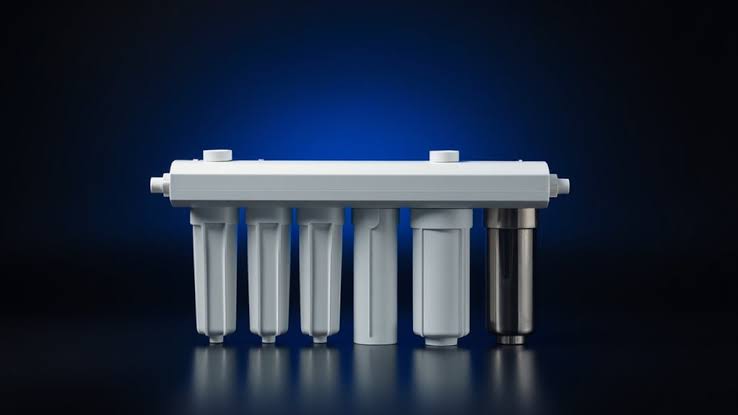
Key Points
It’s easy to forget about a water filtration system once it’s installed. You turn on the tap, fill a glass, and get on with your day. Everything seems fine, so there’s little reason to think about what’s happening inside the equipment tucked beneath the sink or sitting in the utility room. But water treatment systems…
It’s easy to forget about a water filtration system once it’s installed. You turn on the tap, fill a glass, and get on with your day. Everything seems fine, so there’s little reason to think about what’s happening inside the equipment tucked beneath the sink or sitting in the utility room.
But water treatment systems need attention, even when they’re working quietly in the background. Filters gradually collect particles, components wear down, and certain treatment technologies lose effectiveness if they’re not maintained properly. A system that performed beautifully when it was new won’t necessarily deliver the same results years later without a little care.
The good news? Maintaining your water treatment equipment doesn’t have to become another complicated household chore. With a sensible schedule and a basic understanding of what needs checking, you can protect your investment and help your system perform as intended.
Why Water Filter Maintenance Matters
A water filter has a specific job. Depending on its design, it might reduce sediment, improve taste and odour, or remove certain contaminants. Over time, however, the filter media can become exhausted or clogged, affecting how well the unit operates.
Sometimes the first noticeable sign is reduced water flow. A kitchen tap that once filled a glass quickly may begin to trickle. In other cases, the water’s taste or smell changes, or the equipment displays a service warning.
These symptoms shouldn’t be ignored, but they don’t always mean the entire system needs replacing. A filter cartridge may simply have reached the end of its useful life. Alternatively, a blockage, loose connection or change in the incoming water supply could be responsible.
Regular maintenance helps identify these issues before they become disruptive. It can also prevent avoidable leaks and make it easier to recognise when a system needs professional attention.
One important point: water that looks clear and tastes normal isn’t necessarily free from harmful contaminants. You can’t reliably judge a filter’s effectiveness by appearance alone. Following the manufacturer’s instructions is essential, particularly when the equipment is intended to address a specific health-related water concern.
Knowing When Filters and UV Lamps Need Replacing
Not every water treatment system works in the same way, which means replacement schedules vary. A sediment cartridge, carbon filter and reverse osmosis membrane each have different functions and expected service lives.
For many households, filter/uv lamp replacement is one of the most important parts of keeping a treatment system operating correctly. Filters need replacing according to their rated capacity, recommended time interval or the manufacturer’s instructions. Actual service life can vary depending on incoming water quality and how much water the household uses.
Ultraviolet systems need particular attention. A UV lamp may continue producing visible light after its ability to deliver the required germicidal output has declined. In other words, seeing a light glowing doesn’t prove the water is receiving adequate treatment.
UV lamps generally need replacement at the interval specified by the manufacturer, even if they haven’t visibly failed. The quartz sleeve surrounding the lamp may also require cleaning or inspection, as mineral deposits can interfere with UV transmission.
Always follow the equipment manual when replacing components. Some systems need to be shut down, depressurised or isolated from electricity before servicing. If you’re unfamiliar with the process, a qualified technician can handle the job and confirm that the unit returns to normal operation.
It also helps to keep replacement parts readily available. Discovering that a specialised cartridge is unavailable just when the filter needs changing can leave you scrambling for an alternative.
Is an Annual Service Enough?
An annual service is a useful starting point for many households, but it isn’t a universal rule for every filter. Some cartridges need changing several times a year, while certain components may last much longer under suitable conditions.
That is why annual filter changes should be treated as a planning reminder rather than a blanket replacement rule. The correct interval depends on the equipment, water conditions, rated capacity and manufacturer’s recommendations.
For example, a home with a high sediment load may need more frequent cartridge changes than a property receiving relatively clean municipal water. A busy household may also use its filter capacity much faster than a single-person household.
Create a simple maintenance calendar. Record the filter model, installation date, recommended replacement interval and the date of the next service. If your system includes a digital indicator, use it as an additional reminder, not as a reason to disregard the product manual.
During a scheduled service, inspect accessible fittings for leaks, check that the unit operates normally and look for any signs of damage. Some systems also require sanitisation when cartridges are replaced. Others have flushing procedures that must be completed before treated water is used.
A maintenance routine works best when it reflects the specific equipment you own, rather than relying on a generic checklist found online.
Why Water Quality Checks Shouldn’t Be Overlooked
Maintaining the equipment is only half the story. You also need to understand whether the water entering your home has changed and whether the treatment system continues to address the concerns it was selected for.
Periodic water quality checks can help provide that reassurance. The appropriate approach depends on your water source and the reason for treatment. A private well may require testing for bacteria, nitrates and other locally relevant contaminants, while a municipal supply may need investigation if there’s an unusual taste, odour or suspected plumbing issue.
Testing can also help when a treatment system has been installed to address a known problem. If the original concern was a specific contaminant, suitable follow-up testing can help assess whether the treatment is performing as expected.
Don’t assume that a basic home test strip can identify every possible issue. These products may be useful for certain measurements, such as hardness or pH, but their capabilities are limited. For more serious concerns, use an appropriately accredited laboratory or follow advice from the relevant water authority.
If a result indicates a potential health hazard, seek advice about safe water use while the cause is investigated. Replacing a filter without understanding the problem may not provide adequate protection.
Simple Habits That Help Your System Last Longer
You don’t need specialist tools to make water treatment maintenance more manageable. A few practical habits can go a long way.
Keep the area around the equipment clean and accessible. If a unit is hidden behind stored boxes or cleaning supplies, routine inspections become harder to remember. Check visible connections occasionally for dampness, corrosion or unusual residue.
Pay attention to changes in water pressure, taste and odour. These signs don’t identify a problem by themselves, but they can tell you when further investigation is sensible.
Follow flushing instructions whenever a new cartridge is installed. Some filters release harmless carbon fines initially, while other systems need a specific startup process. The manufacturer’s directions will explain what’s appropriate for your model.
Use compatible replacement components, too. A cartridge that physically fits isn’t necessarily designed to provide the same treatment performance. Avoid substituting unverified parts when the system is relied upon to reduce a particular contaminant.
Finally, don’t overlook the housing, storage tank or dispensing tap. Depending on the equipment, these components may need periodic cleaning or sanitisation. A fresh filter can’t compensate for poor hygiene elsewhere in the system.
When It’s Time to Call a Professional
Some maintenance tasks are straightforward, but others deserve an experienced technician. Persistent leaks, recurring pressure problems, electrical faults and unusual system noises should be investigated rather than repeatedly patched up.
Professional servicing can also be worthwhile when the system has several treatment stages or includes specialised equipment such as ultraviolet disinfection. A technician can check connections, review operating settings and identify worn parts that might otherwise go unnoticed.
Ask for a written record of the work completed, including replacement components and any recommendations for future service. Over time, these records make it easier to spot recurring problems and budget for maintenance.
A Little Care Goes a Long Way
Water filtration equipment is easy to take for granted because its best work often happens out of sight. Yet reliable performance depends on more than buying a good product and leaving it alone.
Understand your system, replace consumable components at the appropriate intervals, arrange testing when necessary and investigate changes rather than guessing at their cause. These simple steps can help maintain performance, avoid preventable repairs and give you a clearer picture of your water quality.
Ultimately, maintenance isn’t about making water treatment complicated. It’s about keeping a useful system dependable, so the everyday comfort of turning on the tap doesn’t become an unexpected problem.
Related Posts
How Hard Water Can Affect Your Laundry, Appliances, and Plumbing
Most homeowners have a few household frustrations they simply learn to live with.…
SR 02420
Better Water Throughout Your Home Starts With Understanding What’s in It
Water affects more parts of daily life than most people realize. It runs…
SR 02417
Making Water Treatment Easier: Testing, Maintenance, and Affordable Solutions for Your Home
Most homeowners don’t spend much time thinking about their water until something feels…
SR 02410