
Key Points
Water affects more parts of daily life than most people realize. It runs through the morning shower, fills the kettle, washes clothes, and keeps the dishwasher working. When something is off, the signs often appear gradually: cloudy glassware, pale mineral marks on the taps, soap that refuses to lather, or drinking water with an aftertaste…
Water affects more parts of daily life than most people realize. It runs through the morning shower, fills the kettle, washes clothes, and keeps the dishwasher working. When something is off, the signs often appear gradually: cloudy glassware, pale mineral marks on the taps, soap that refuses to lather, or drinking water with an aftertaste you can’t quite ignore.
These problems can be frustrating, especially when cleaning more often doesn’t seem to help. The good news is that many water concerns can be addressed with the right treatment approach. The key is to understand what is happening in your water before investing in equipment. A system that works beautifully for one home may do very little for another, because water quality depends on the source, local conditions, and the specific substances present.
Start With the Signs Your Home Is Showing
A useful first step is to pay attention to patterns. Do white, chalky deposits appear around faucets and showerheads? Does laundry feel stiff even after using fabric softener? Is there a noticeable chlorine smell when you turn on the tap? These clues can help you identify possible concerns, although they cannot confirm the cause on their own.
Hard water, for example, contains higher levels of minerals such as calcium and magnesium. Those minerals can leave scale on fixtures and inside water-using appliances. Iron may contribute to reddish or brown staining, while sediment can make water look cloudy. An unusual taste or smell may have several causes, including disinfectants, plumbing materials, or naturally occurring substances.
It’s important not to judge drinking-water safety by taste, smell, or appearance alone. Some contaminants have no obvious signs. If you rely on a private well, regular testing is especially important because the quality can change with weather, land use, and other environmental factors. Municipal water customers can review their local water quality report and arrange additional testing if there are concerns specific to their property.
A test gives you something concrete to work with. Instead of guessing which device might help, you can choose treatment based on measured water conditions.
Treating Water at the Point It Enters the Home
When several parts of a property are affected, treating only the kitchen tap may not solve the whole problem. Mineral scale on bathroom fixtures, sediment in multiple faucets, or certain water quality concerns throughout the home may call for a broader approach.
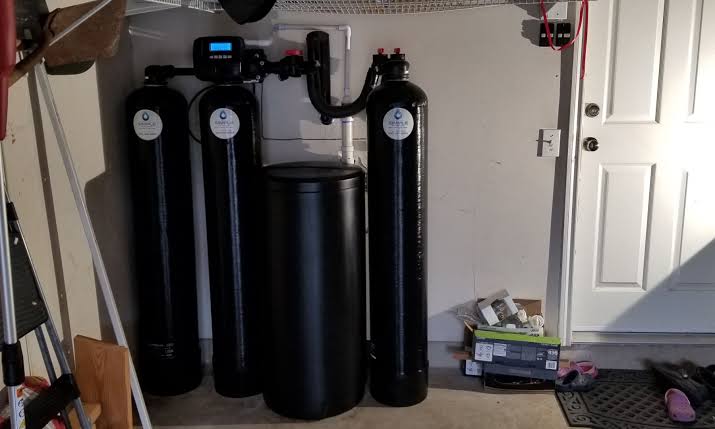
A properly selected whole house water treatment system treats water where it enters the property, before it travels through the plumbing to showers, sinks, laundry appliances, and other outlets. The equipment can vary depending on the water analysis. Some homes need sediment filtration, others benefit from carbon treatment, and households dealing with hardness may need a softener.
The advantage is that treatment can address a problem across multiple water uses rather than at a single faucet. However, a whole-house setup is not automatically the best choice for every concern. Drinking-water treatment and whole-house treatment serve different purposes, and some contaminants may require a dedicated system at the kitchen sink.
Before choosing equipment, ask what it is designed to remove or reduce and whether its performance has been independently verified. A system should be selected according to the substances present, the volume of water used, and the flow rate needed for your household. A large family with several bathrooms, for example, may have different requirements from a small apartment.
The Role of Activated Carbon Filters
Taste and odour are among the most common reasons people begin exploring water filtration. Water can meet applicable safety standards and still have a flavour that makes a freshly filled glass less appealing. For many households, chlorine taste is the main complaint.
Activated carbon water filtration works by allowing water to pass through carbon media that can adsorb certain compounds onto its surface. Depending on the filter design, carbon treatment can reduce chlorine taste and odour, and some certified products are designed to reduce additional substances such as certain volatile organic compounds or specific contaminants.
The details matter. Not every carbon filter has the same capabilities, and a basic taste-and-odour filter should not be assumed to remove dissolved salts, microorganisms, or every chemical that might be present. Look for product documentation that identifies the specific reduction claims and any relevant third-party certification.
Carbon filters also need regular replacement. As the media becomes exhausted, its performance may decline, even if water continues to flow normally. Following the recommended replacement schedule is a simple but important part of maintaining the system.
For homeowners mainly concerned about taste, a properly chosen carbon filter may offer a straightforward solution without the expense or complexity of a more extensive treatment setup.
When Hard Water Needs a Different Solution
Hard water can be particularly persistent because the minerals responsible for scale are dissolved in the water. Wiping a shower screen may remove the marks temporarily, but new deposits can appear as soon as the water dries. Over time, scale can also collect inside pipes, water heaters, and appliances.
Water softener systems are designed to address hardness by reducing calcium and magnesium. Many conventional softeners use an ion-exchange process, replacing hardness minerals with sodium or potassium ions. This can help reduce scale formation, improve soap performance, and make cleaning easier.
A softener is not the same as a general-purpose filter. It does not automatically remove every contaminant, and it should not be selected as a substitute for testing when a safety concern exists. If your water has both hardness and another issue, more than one treatment stage may be needed.
There are practical details to consider, too. Traditional ion-exchange softeners usually require regeneration and may use salt or potassium chloride. The unit needs enough space, a suitable drain connection, and a capacity that matches the household’s water use and hardness level. Some homes may have restrictions on softener discharge, so local requirements should be checked before installation.
Once the right system is in place, maintenance is usually manageable, but it shouldn’t be ignored. Checking salt levels, arranging periodic service when needed, and following the manufacturer’s instructions help keep the equipment operating as intended.
Look at the Complete Cost, Not Just the Price Tag
Water treatment equipment is a long-term household purchase. The initial price is only part of the picture. Replacement filters, salt, membrane changes, service visits, electricity, and water usage may contribute to the overall cost.
Ask for a clear explanation of installation charges and ongoing maintenance before committing. Find out how often parts need replacing, whether they are readily available, and what happens if the system requires repair. A less expensive unit may be perfectly suitable, but only if its performance and operating costs make sense for your situation.
It is also wise to avoid buying more equipment than you need. A complicated system can be worthwhile when water testing supports it, but additional stages do not automatically mean better results. The aim is to solve the actual problem reliably, not to fill the utility room with unnecessary machinery.
Keep Your Water System Working Properly
Installation is the beginning, not the end, of water treatment. Filters need timely replacement, softeners require routine attention, and certain water concerns may call for follow-up testing. Keep the product manuals and a record of service dates somewhere easy to find. A calendar reminder can prevent a small maintenance task from slipping through the cracks.
If the water’s taste, colour, smell, or appearance changes unexpectedly, investigate rather than assuming the equipment will handle it. For suspected contamination, use appropriate testing and follow advice from your water provider or local public health authority.
Better water starts with informed decisions. Learn what is in your supply, identify the problems that matter most, and compare treatment options using reliable performance information. Whether your home needs a point-of-entry system, carbon filtration, softening, or a combination of approaches, the best solution is the one that fits the water, the property, and the people who live there.
Related Posts
How Hard Water Can Affect Your Laundry, Appliances, and Plumbing
Most homeowners have a few household frustrations they simply learn to live with.…
SR 02420
The Small Water Filter Maintenance Tasks That Make a Big Difference
It’s easy to forget about a water filtration system once it’s installed. You…
SR 02414
Making Water Treatment Easier: Testing, Maintenance, and Affordable Solutions for Your Home
Most homeowners don’t spend much time thinking about their water until something feels…
SR 02410