Why an Annual AC Tune-Up Is One of the Smartest Investments for Your Home
There’s a funny thing about air conditioners: we barely notice them when they’re working well. They hum quietly in the background, keeping every room comfortable while we go about our day. But the moment warm air starts blowing through the vents—or worse, nothing happens at all—they suddenly become the most important appliance in the house.
That’s why regular AC maintenance deserves more attention than it usually gets. It isn’t just another item on a homeowner’s to-do list. It’s a practical way to improve comfort, reduce energy costs, and avoid expensive repairs that seem to arrive at the worst possible moment.
The truth is, most major HVAC failures don’t happen without warning. Small issues often develop months before a complete breakdown. Routine maintenance gives those problems a chance to be discovered while they’re still manageable, which is exactly what makes preventive care so valuable.
Your Air Conditioner Works Harder Than You Think
During the hottest weeks of summer, your cooling system may run for hours at a time. Every cycle depends on dozens of components working together—motors, coils, electrical controls, refrigerant lines, fans, and sensors all have a role to play.
Over time, even a well-built system begins to experience normal wear. Dust settles on coils, electrical connections loosen slightly, moving parts experience friction, and filters slowly become clogged.
None of these things are unusual.
The problem is that they often go unnoticed until performance starts to decline. By then, your system has usually been working much harder than necessary for quite some time.
That extra strain shortens equipment life while increasing monthly utility bills.
Routine Care Helps prevent unexpected breakdowns
Nobody plans for their air conditioner to stop working in the middle of July.
Unfortunately, that’s exactly when HVAC companies receive their highest volume of emergency calls. Long wait times, uncomfortable indoor temperatures, and costly repairs create a stressful situation that many homeowners could have avoided.
One of the biggest advantages of preventive maintenance is its ability to prevent unexpected breakdowns before peak cooling demand arrives.
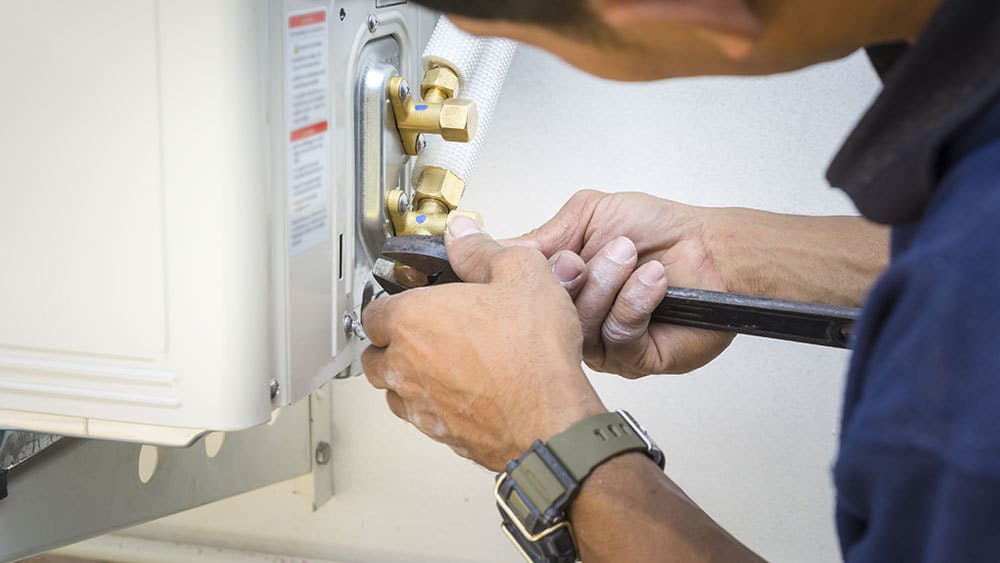
Technicians inspect electrical components, identify worn parts, verify proper system operation, and catch developing issues that might otherwise remain hidden.
Replacing a small capacitor during a maintenance visit is much easier—and considerably less expensive—than replacing a failed compressor after weeks of unnecessary strain.
Small Maintenance Tasks Make a Big Difference
Professional service is important, but homeowners also play a role in keeping HVAC systems healthy.
Replacing air filters regularly helps maintain proper airflow throughout the home. Keeping furniture away from supply vents improves air circulation. Removing leaves, weeds, and debris from around the outdoor condenser allows heat to escape more efficiently.
These simple habits don’t require specialized knowledge, yet they significantly improve overall system performance.
It’s similar to changing the oil in a vehicle. A small amount of routine care protects much larger and more expensive components over the long term.
Timing Matters More Than Most People Realize
One mistake homeowners often make is waiting until temperatures are already soaring before scheduling service.
Spring and early fall are usually the ideal times for seasonal maintenance because technicians have the opportunity to inspect equipment before it begins operating under heavy demand.
Preparing the air conditioner before summer means small concerns can be addressed without the pressure of an emergency repair.
Likewise, servicing the heating system before winter helps ensure reliable operation when cold weather finally arrives.
Planning ahead almost always results in a smoother experience than reacting after something fails.
Lower Energy Bills Start With a Healthy System
Many people notice rising utility bills without realizing their HVAC system could be contributing to the increase.
Dirty coils reduce heat transfer.
Restricted airflow forces the blower motor to work harder.
Loose electrical components decrease efficiency.
Low refrigerant levels affect cooling performance.
Each of these issues causes the system to consume more electricity while delivering less comfort.
Routine maintenance restores efficiency by allowing every component to operate closer to its original design. While homeowners shouldn’t expect dramatic overnight savings, steady improvements throughout the cooling season often make a meaningful difference.
Efficiency isn’t just about saving money—it’s also about reducing unnecessary wear on expensive equipment.
Indoor Comfort Is About More Than Temperature
A properly maintained air conditioner does much more than cool the air.
It helps regulate humidity, improves air circulation, reduces temperature fluctuations between rooms, and supports healthier indoor air quality.
When airflow becomes restricted or equipment begins operating inefficiently, comfort often declines even before homeowners recognize there’s a mechanical problem.
Maybe one bedroom always feels warmer.
Perhaps the house seems humid despite the thermostat reading correctly.
Sometimes the system runs constantly without ever feeling truly comfortable.
These subtle changes often indicate that maintenance is overdue rather than equipment replacement being necessary.
What Happens During a professional ac tune-up
Many homeowners wonder what technicians actually do during a professional ac tune-up.
The answer goes far beyond simply changing a filter.
A comprehensive inspection usually includes checking refrigerant pressures, cleaning coils when necessary, tightening electrical connections, testing capacitors, measuring airflow, inspecting condensate drainage, examining blower components, verifying thermostat operation, lubricating moving parts when applicable, and confirming overall system safety.
These inspections provide valuable insight into your system’s condition long before noticeable performance problems appear.
Think of it as a routine health checkup for your HVAC equipment.
Most of the time, everything looks good.
When something doesn’t, it’s usually much easier to address early.
Extending Equipment Life Protects Your Investment
Installing a new air conditioning system represents one of the largest home improvement expenses many families face.
Naturally, homeowners want that investment to last as long as possible.
Regular maintenance can’t stop normal aging, but it can dramatically reduce unnecessary wear caused by neglected components.
Clean equipment experiences less resistance.
Proper airflow reduces mechanical strain.
Balanced refrigerant pressures protect compressors.
Secure electrical connections minimize overheating.
All of these factors contribute to a longer-lasting system that continues operating reliably for years beyond what neglected equipment often achieves.
Peace of Mind Is an Overlooked Benefit
Perhaps the greatest value of annual AC maintenance isn’t measured in dollars.
It’s confidence.
Knowing your air conditioner has been professionally inspected before summer begins allows you to enjoy your home instead of wondering whether the next heatwave will leave you without cooling.
That sense of reliability becomes especially valuable for families with young children, older adults, or anyone who spends significant time at home.
Reliable comfort isn’t something most people appreciate until it’s suddenly gone.
A Little Attention Today Prevents Bigger Problems Tomorrow
Air conditioners are remarkably dependable machines, but they aren’t maintenance-free. Like any hardworking equipment, they perform best when small issues are addressed before they become major repairs.
Scheduling annual inspections, replacing filters regularly, keeping the outdoor unit clean, and responding to unusual noises or performance changes early all contribute to a healthier HVAC system.
The reward isn’t just fewer repair bills. It’s lower energy costs, better indoor comfort, longer equipment life, and the reassurance that your cooling system will be ready when summer arrives.
Sometimes the smartest home investments aren’t the ones you can see—they’re the ones quietly working behind the scenes, keeping everyday life comfortable without asking for much in return.