
Key Points
There’s a certain satisfaction in living in a home where everything feels right. The furniture is comfortable, there’s enough room to move around, and even the smallest spaces serve a useful purpose. It doesn’t necessarily happen because someone spent a fortune on decorating. More often, it’s the result of thoughtful decisions. Interior design becomes particularly…
There’s a certain satisfaction in living in a home where everything feels right. The furniture is comfortable, there’s enough room to move around, and even the smallest spaces serve a useful purpose. It doesn’t necessarily happen because someone spent a fortune on decorating. More often, it’s the result of thoughtful decisions.
Interior design becomes particularly rewarding when it improves everyday experiences. A peaceful bathroom can make mornings more enjoyable, while a well-arranged living room encourages people to spend time together.
The challenge is bringing practicality and visual appeal into balance. Every room has different requirements, and understanding those differences helps create a home that feels naturally comfortable rather than carefully staged.
Creating a Bathroom That Feels Like a Personal Retreat
For years, bathroom design focused primarily on functionality. Today, homeowners increasingly appreciate the opportunity to create a private space where they can relax and escape the demands of a busy household.
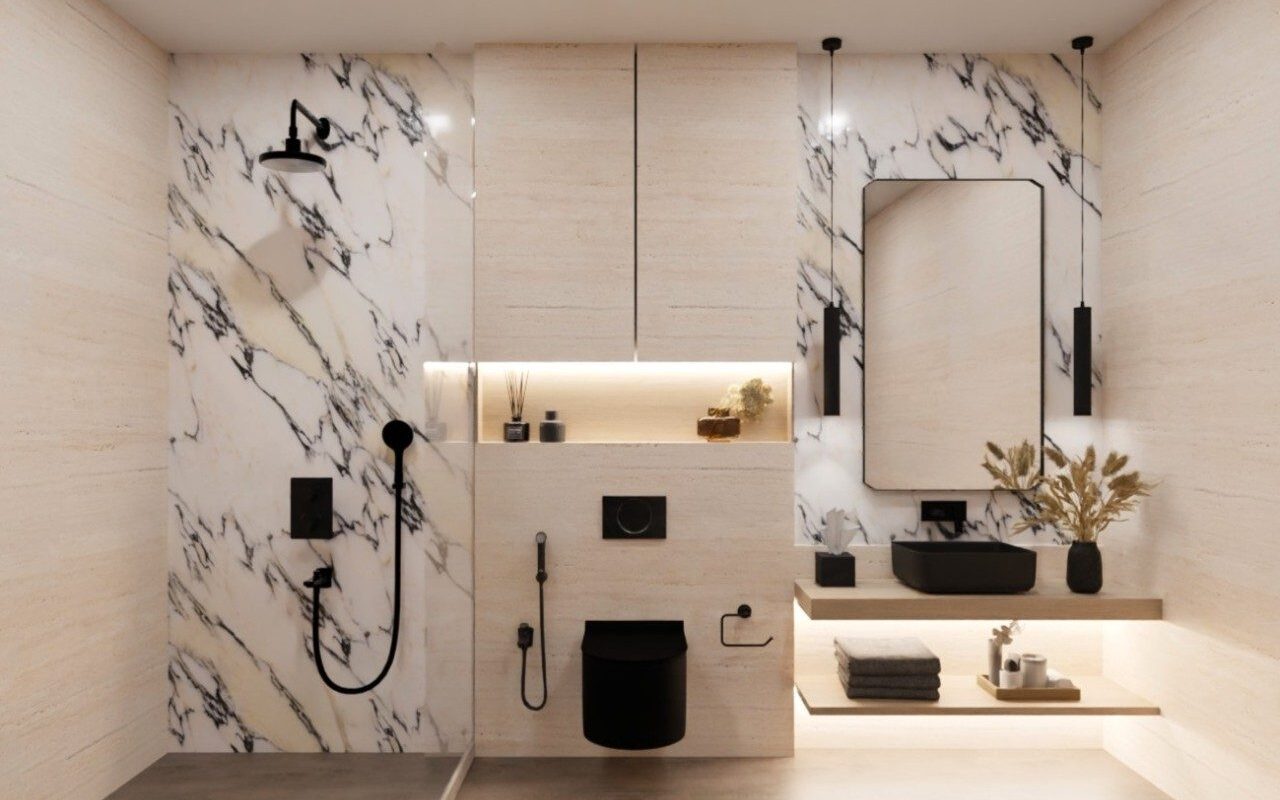
Beautifully designed bathrooms combine practical layouts, comfortable lighting, thoughtful storage, and materials that create a welcoming atmosphere.
Imagine starting your morning in a room filled with gentle natural light, with toiletries neatly organized and everything within easy reach. It’s a small luxury, but one that can noticeably improve your daily routine.
Walk-in showers, floating vanities, textured tiles, and understated fixtures can introduce contemporary character without overwhelming the space.
However, practicality shouldn’t disappear beneath decorative ambitions. Slip-resistant flooring, adequate ventilation, and moisture-resistant materials deserve careful attention.
Lighting around mirrors is especially important. A beautiful pendant fixture might create atmosphere, but sufficient task lighting makes everyday grooming considerably easier.
The best bathroom designs feel peaceful while quietly taking care of practical needs.
Selecting Furniture That Brings Character Into Your Home
Furniture can completely change the personality of a room. A comfortable sofa encourages relaxation, a beautifully crafted dining table becomes a gathering place, and an unusual accent chair introduces a little individuality.
Choosing the right furnishings involves considering comfort, proportions, materials, and how each piece contributes to the overall atmosphere.
Take a contemporary living room with neutral walls and simple architectural features. Introducing a vintage wooden cabinet, textured upholstery, and a few meaningful decorative objects could give the room warmth and character.
Everything doesn’t need to come from the same collection. In fact, mixing different styles often produces more interesting results.
Pay attention to everyday requirements, too. A household with pets might benefit from durable upholstery, while a family that regularly hosts guests could appreciate flexible seating arrangements.
Quality matters more than quantity. A few carefully selected pieces can create a more inviting interior than a room filled with unnecessary furniture.
Making the Most of Every Square Foot
Have you ever noticed how some small rooms feel remarkably spacious while larger ones somehow seem crowded? The difference often comes down to layout rather than actual square footage.
Effective space planning considers furniture placement, circulation, room proportions, storage requirements, and the relationship between different functional areas.
Imagine a living room where an oversized sofa blocks part of a doorway. Although the furniture itself might be beautiful, its placement makes everyday movement unnecessarily difficult.
Reconsidering the layout or choosing a more appropriately sized sofa could completely transform the room.
Open-plan interiors require particular attention. Area rugs, lighting fixtures, and furniture arrangements can help define separate dining and relaxation areas without introducing physical barriers.
Smaller properties may benefit from built-in storage, multifunctional furniture, and thoughtful use of vertical space.
Sometimes, the most effective design decision involves removing something rather than adding another decorative element.
Using Texture and Materials to Create Warmth
A room decorated entirely in neutral colors doesn’t have to feel plain. Introducing different textures can give even a simple interior remarkable depth.
Natural wood, stone, woven textiles, ceramic accessories, and soft upholstery each contribute something distinctive.
Consider pairing a linen-covered sofa with a wooden coffee table and a textured wool rug. The colors might remain understated, but the combination creates visual interest and warmth.
Similar principles work beautifully in bathroom design. A wooden vanity can soften the appearance of stone surfaces, while textured tiles introduce character without requiring bold colors.
Maintenance should influence material selection as well.
Some natural finishes develop a beautiful patina over time, while others require regular care. Choose materials that complement your lifestyle rather than creating extra household responsibilities.
Lighting Spaces for Different Times of the Day
Lighting can dramatically influence how a room feels. Unfortunately, it’s often treated as an afterthought.
A single overhead fixture might illuminate an entire room, but it rarely provides the flexibility needed for different activities.
Combining ambient, task, and accent lighting creates a more adaptable environment.
A reading chair benefits from a nearby floor lamp, while a dining room might feel more intimate with adjustable pendant lighting.
In the bathroom, brighter lighting near the mirror can be complemented by softer illumination for relaxing evenings.
Natural daylight deserves consideration, too. Window treatments should provide privacy without unnecessarily sacrificing sunlight.
Getting the lighting right can make familiar surroundings feel surprisingly different.
Finding Storage Solutions That Don’t Sacrifice Style
Clutter has a way of making even beautifully decorated rooms feel unsettled.
Thoughtfully designed cabinetry, concealed compartments, and built-in shelving can help maintain organization without compromising the overall aesthetic.
A bathroom vanity with deep drawers, for instance, may provide more accessible storage than traditional cupboards. Likewise, a window seat with hidden compartments can offer additional storage in a living area.
The goal isn’t to hide every personal belonging. It’s to give frequently used items a convenient place while allowing meaningful objects to remain visible.
Creating Interiors That Feel Beautifully Personal
A successful home doesn’t need to follow every decorating trend. It should accommodate your habits, reflect your personality, and make ordinary activities more comfortable.
Thoughtful layouts, carefully chosen furniture, and practical design details help create that experience.
Ultimately, the rooms you’ll appreciate most are the ones that quietly make everyday life easier while giving you a genuine sense of belonging. That’s what makes a thoughtfully designed house feel like home.
