
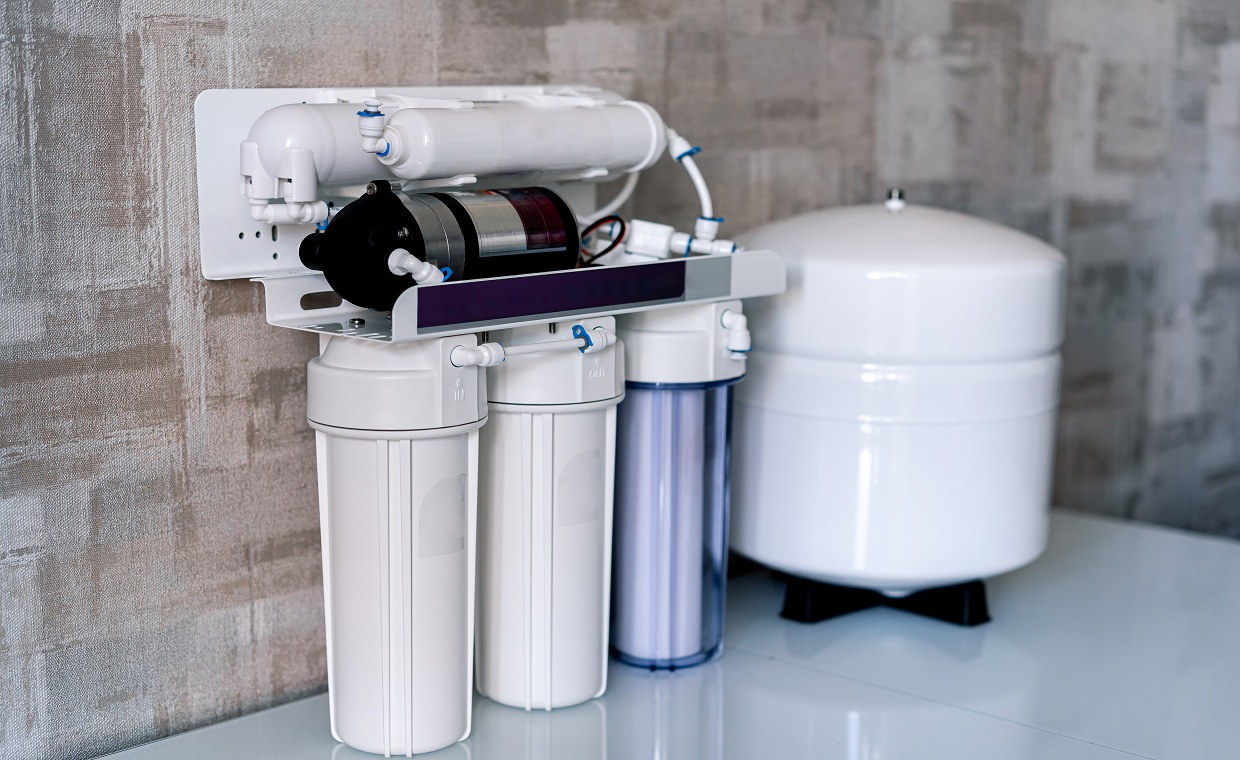
Key Points
Water is one of those things we tend to take for granted. Turn on the faucet, fill the kettle, start the washing machine, and carry on with the day. But when unpleasant odors, cloudy water, or stubborn mineral deposits become familiar household problems, it’s worth paying closer attention to what’s flowing through your pipes. A…
Water is one of those things we tend to take for granted. Turn on the faucet, fill the kettle, start the washing machine, and carry on with the day. But when unpleasant odors, cloudy water, or stubborn mineral deposits become familiar household problems, it’s worth paying closer attention to what’s flowing through your pipes.
A thoughtful approach to home water treatment and filtration can help address these concerns while improving several aspects of everyday living.
The trick is finding a treatment arrangement that suits your particular home. Not every household needs an elaborate filtration system, and sometimes, a relatively straightforward solution can make a surprisingly noticeable difference.
Understanding the Water That Flows Through Your Home
Whether your water comes from a municipal supply or a private well, its characteristics can influence everything from the taste of your morning coffee to the condition of your bathroom fixtures.
Groundwater may contain naturally occurring minerals, suspended sediment, and iron. Municipally treated water may have noticeable disinfectant-related tastes or odors.
Choosing appropriate filtration for household water quality begins with understanding which substances are present and whether they require treatment.
Reliable testing can help identify concerns that aren’t immediately obvious. After all, water that looks perfectly clear may still contain substances worth investigating.
Rather than purchasing equipment based on assumptions, take the time to understand your water supply. It’s a much better starting point.
Exploring Different Ways to Improve Water Throughout Your Home
There’s no shortage of water treatment equipment available, which can make the selection process somewhat overwhelming.
When comparing whole-home filtration options, consider the specific water problems you experience, your household’s consumption, and the maintenance responsibilities associated with different systems.
Sediment filters help capture suspended materials such as sand, silt, and rust particles. Activated carbon can reduce chlorine and certain substances associated with unpleasant tastes and odors.
Specialized treatment media may be necessary for elevated iron or other particular contaminants.
Some households also benefit from water softening, especially when hardness minerals contribute to persistent scale formation.
The most worthwhile arrangement is generally the one that addresses your actual concerns without introducing unnecessary equipment or expenses.
Why Treating Water at the Main Supply Line Makes Sense
Imagine installing separate filters in your kitchen, bathroom, and laundry area. Keeping track of replacement cartridges alone could become another household chore.
Centralized treatment offers a different approach.
By installing appropriate equipment near the main water supply line, incoming water receives treatment before reaching designated fixtures and appliances.
This arrangement can simplify maintenance while providing more consistent water characteristics throughout treated areas of the property.
However, proper sizing matters. A system needs sufficient capacity to accommodate simultaneous water usage without creating excessive pressure restrictions.
Households with several bathrooms or demanding laundry routines should pay particular attention to peak water consumption when selecting equipment.
Making Your Bathroom and Laundry Routine More Pleasant
Some of the benefits of better household water become noticeable in places you might not initially expect.
Take your bathroom, for example. Reducing unpleasant chlorine-related odors may make showers more enjoyable. Appropriate sediment removal can also help reduce visible particles reaching fixtures.
If excessive hardness is another concern, separate softening equipment may help limit chalky deposits and improve soap lathering.
Laundry can benefit from suitable hardness reduction as well. Depending on water conditions and detergent selection, clothes and towels may feel less stiff after washing.
These improvements aren’t necessarily dramatic. But when you’re dealing with the same household frustrations every week, even modest changes can feel genuinely worthwhile.
Looking After the Appliances You Already Own
Most people don’t purchase a new dishwasher or washing machine without considering how long they expect it to last. Yet the quality of water entering these appliances often goes unnoticed.
Suspended particles may collect inside inlet screens and valves, while hardness minerals can contribute to scale accumulation inside water-heating equipment.
Suitable treatment helps reduce the substances responsible for these problems.
Of course, filtration won’t automatically repair existing damage, and ordinary carbon filters don’t remove dissolved hardness minerals effectively.
Nevertheless, addressing identified water quality concerns can form part of a sensible preventive maintenance strategy.
It’s worth thinking about, particularly when you’ve invested considerable money in upgrading your household appliances.
Finding a System You Can Realistically Maintain
An effective treatment system shouldn’t become another complicated responsibility.
Before installation, consider replacement filter costs, equipment accessibility, servicing requirements, and anticipated operating expenses.
When consulting a water treatment provider such as Hawkins Water, ask how recommended equipment addresses your testing results and what ongoing maintenance involves.
Sediment cartridges gradually accumulate particles, while activated carbon eventually reaches its treatment capacity. Following recommended replacement schedules helps maintain performance.
Centralized carbon treatment may reduce disinfectant residuals, so appropriate sanitation is important, too.
Remember that pleasant-tasting, clear water doesn’t necessarily confirm drinking water safety. Appropriate follow-up testing remains important when addressing specific health-related contaminants.
Making Better Water Part of a Well-Cared-For Home
Improving household water quality doesn’t need to involve an expensive renovation or a collection of complicated treatment devices.
Begin with reliable information, identify the problems you’d genuinely like to solve, and choose equipment that fits both your property and your budget.
The benefits may appear gradually through more enjoyable showers, fewer visible particles, and less frustration with recurring water quality concerns.
There’s something satisfying about making improvements that quietly support your everyday routine.
Your home is where you spend much of your time, prepare meals, raise a family, and unwind after demanding days. Giving the water you depend on some thoughtful attention is a practical way to make that space more comfortable and enjoyable.
Related Posts
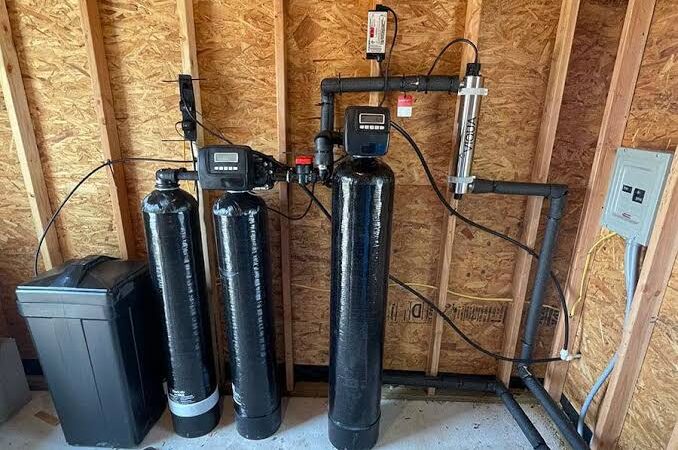
Is a Water Softener Right for Your Houston Home? Everything Homeowners Should Know
You clean your bathroom regularly, use quality laundry detergents, and take good care…
SR 02431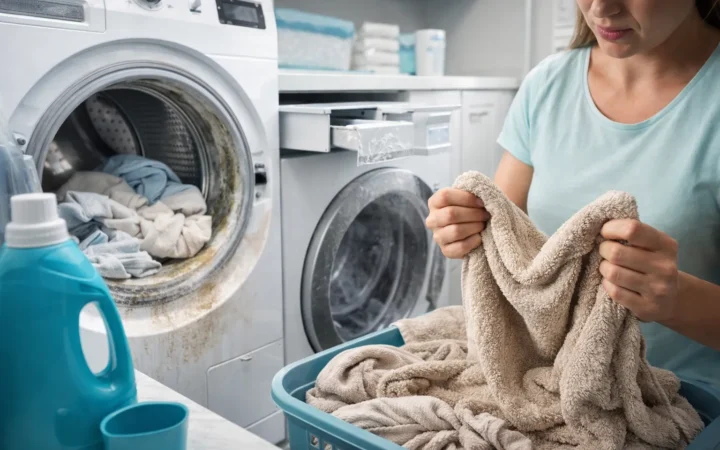
How Hard Water Can Affect Your Laundry, Appliances, and Plumbing
Most homeowners have a few household frustrations they simply learn to live with.…
SR 02420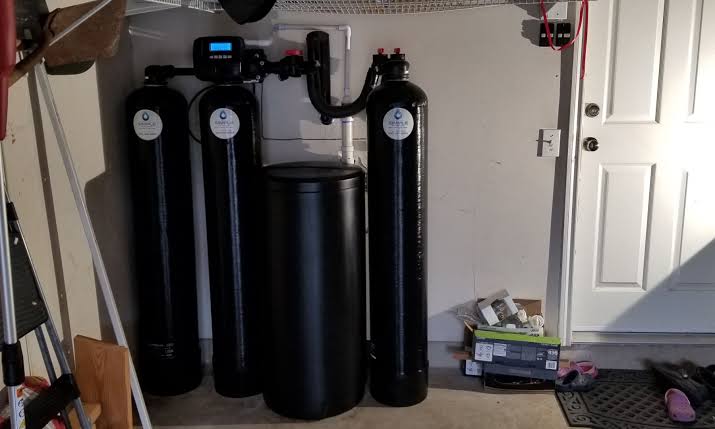
Better Water Throughout Your Home Starts With Understanding What’s in It
Water affects more parts of daily life than most people realize. It runs…
SR 02417